충남교육청, '안전 핑계로 현장 취재 거부'
현장 가리기 행정 논란
가금현 기자입력 : 2026. 08. 22(토) 10:17


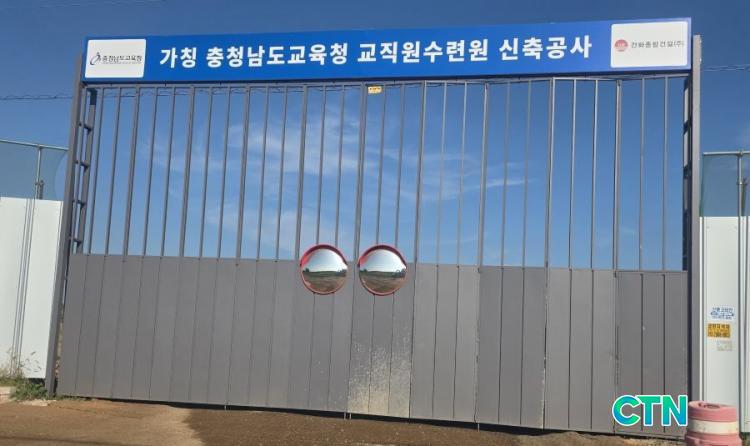
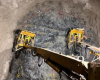
충남교육청, 현장 가리기 행정 논란/사진=당진시출입기자단
[CTN/사회]가금현 기자= 충청남도교육청 교직원수련원 건립 현장에 대한 언론의 현장 동행 취재 요청이 사실상 거부되면서 충남교육청의 폐쇄적인 행정이 도마 위에 올랐다.
충남교육청 교직원수련원 발주처 관계자는 최근 본보(CTN)기자에게 보낸 답변을 통해 "해당 현장은 부지 정지 및 중장비 작업이 집중되는 구간으로, 중대재해처벌법 및 산업안전보건법에 따라 외부인 출입 시 중대한 안전사고 위험이 높아 엄격히 통제되고 있다"며 "부득이하게 현장 방문 및 동행 취재는 허용하기 어렵다"고 밝혔다.
또 "취재 거부가 아닌 정확한 사실관계 전달을 위해 취재창구를 교육청으로 일원화했다"며 서면 질의를 요청했다.
그러나 이 같은 해명에도 불구하고 이번 조치는 결과적으로 언론의 현장 접근과 직접 확인을 차단하는 '취재 거부'와 다르지 않다는 비판을 피하기 어렵다.
현장 안전을 이유로 외부인의 출입을 제한하는 것 자체가 문제라는 지적은 아니다. 실제 중장비 작업이 이뤄지는 건설현장이라면 안전을 위한 출입 통제가 필요할 수 있다.
문제는 안전관리를 이유로 언론의 현장 확인 자체를 일괄적으로 차단했다는 점이다.
언론의 현장 취재는 단순히 현장에 들어가 사진 한 장을 찍는 행위가 아니다.
실제 공사가 어떻게 진행되고 있는지, 주변 안전관리는 적정한지, 공사 과정에서 문제가 발생하고 있는 것은 없는지 등을 직접 확인하고 관계자들의 설명을 듣기 위한 것이다.
안전 문제가 우려된다면 보호장구 착용, 출입 가능 구역 지정, 작업이 없는 시간대 취재, 안전관리자 동행 등 여러 가지 대안을 협의할 수 있다.
그런데 충남교육청은 이러한 최소한의 취재 방법을 협의하기보다 '현장 방문 및 동행 취재 불가'라는 결론부터 내렸다.
결국 언론에는 서면으로 질문하라고 하고, 교육청이 답변을 취합해 전달하겠다는 것이다.
이는 언론이 직접 확인해야 할 사안을 행정기관이 선별해 설명하는 방식으로, 현장의 실제 상황을 객관적으로 검증할 기회를 제한한다는 비판을 받을 수밖에 없다.
더욱 우려되는 대목은 '취재창구를 교육청으로 일원화했다'는 부분이다.
언론 취재의 기본은 질문과 답변만으로 끝나는 것이 아니다.
특히 공공기관이 발주하거나 추진하는 대규모 공사라면 사업비 집행, 공사 진행 상황, 안전관리, 시공 과정에서의 문제점 등을 현장에서 직접 확인하는 것이 중요하다.
그런데 정작 현장은 보여주지 않은 채 교육청이 취재창구를 일원화하고 서면질의에 답하겠다는 것은 행정기관이 보여주고 싶은 정보만 제공하는 방식으로 비칠 가능성이 크다.
이는 적극적으로 국민과 언론에 정보를 공개하는 행정과는 거리가 멀다.
오히려 문제가 되는 현장이 있다면 그 현장을 직접 공개하고, 제기된 의혹이나 문제점에 대해 사실관계를 설명하는 것이 행정기관이 취해야 할 태도다.
현장을 공개하지 않으면서 "정확한 사실관계를 전달하겠다"고 하는 것은 앞뒤가 맞지 않는다.
정확한 사실관계를 확인하려면 언론 역시 현장을 볼 수 있어야 하기 때문이다.
이번 사안에서 특히 경계해야 할 것은 '안전'이라는 명분이 언론 취재를 제한하는 수단으로 활용되는 것이다.
안전은 무엇보다 중요하다. 그러나 안전을 이유로 언론의 접근을 원천적으로 차단하려면 그에 상응하는 구체적이고 합리적인 설명이 필요하다.
어떤 구간이 위험한지, 어떤 작업 때문에 출입이 불가능한지, 취재를 위해 어떤 안전조치를 취할 수 없는지 등에 대한 설명 없이 단순히 법률을 언급하며 현장 취재를 막는다면, 오히려 "현장에 공개하기 어려운 문제가 있는 것 아니냐"는 의혹을 키울 수 있다.
특히 공공기관이 추진하는 사업이라면 더욱 그렇다.
국민의 세금과 공공예산이 투입되는 사업에 대해 행정기관이 현장 취재를 제한한다면, 행정의 투명성과 책임성 측면에서 더욱 엄격한 설명이 뒤따라야 한다.
이번 조치가 결과적으로 시공업체나 현장의 문제점을 외부에 드러내지 않으려는 '업체 봐주기 행정'이라는 의혹마저 들게하고 있다.
물론 현재 단계에서 충남교육청이 특정 업체를 보호하거나 편의를 제공하기 위해 취재를 거부했다고 단정할 수는 없으나 현장 취재를 막고 행정기관이 취재창구를 독점하는 방식은 결과적으로 그런 의혹을 불러일으키기에 충분하다는 비판이 일고 있다.
이에 대해 전직 공무원 A는 "특히 현장에서 제기되는 각종 문제점이 있다면 행정기관은 이를 감추거나 대신 설명하려 할 것이 아니라, 오히려 언론의 확인을 적극적으로 보장하고 사실관계를 공개해야 한다"고 말하고 "의혹을 해소하는 가장 확실한 방법은 현장을 공개하면 되는 것인데 현장을 닫아걸고 서면질의만 요구한다면 의혹이 해소되는 것이 아니라 오히려 확대될 수밖에 없다"고 지적했다.
한편 충남교육청 측은 "취재 거부가 아니다"라고 밝혔으나 언론이 요구한 것은 특정 자료의 제공만이 아니라 현장 동행 취재였다는 점이다.
이에 대해 "현장 방문 및 동행 취재는 허용하기 어렵다"고 명확하게 답했다면, 명칭이 무엇이든 결과적으로는 해당 취재 방식에 대한 거부로 비친다.
취재창구를 교육청으로 일원화하고 서면질의만 받겠다는 것 역시 언론의 취재 방식과 범위를 행정기관이 사실상 결정하는 셈으로 풀이된다.
현장에 갈 수 없고, 관계자를 직접 만나 확인할 수도 없으며, 행정기관이 정리한 답변만 받아야 한다면 그것을 과연 충분한 취재 보장이라고 할 수 있는가라는 의문이 든다.
건설업계 관계자 B는 "충남교육청이 이번 조치가 정말로 순수하게 안전을 위한 것이라고 주장한다면 방법은 간단하다며, 취재진에게 필요한 안전교육과 보호장구를 제공하고, 현장 안전관리자를 배치한 뒤 안전이 확보되는 범위에서 취재가 가능하도록 하면 된다"고 주장했다.
또 "당장 중장비 작업 구간에 들어가는 것이 위험하다면 작업이 중단되거나 위험도가 낮아지는 시간대를 정해 취재할 수도 있는데 어떠한 대안도 제시하지 않은 채 현장 취재 자체를 차단하고 교육청으로 취재창구를 일원화하는 것은 안전관리라기보다 행정 편의주의로 비칠 소지가 크다"고 지적했다.
그는 이어 "충남교육청은 이제라도 언론의 현장 확인을 무조건 차단할 것이 아니라, 안전을 확보하면서 취재할 수 있는 현실적인 방안을 마련해야 한다"고 말하고 "공공기관의 사업 현장은 특정 업체의 사유물이 아니라, 국민의 세금과 공공예산이 투입되는 사업으로 그 과정은 투명하게 공개돼야 하고, 언론은 이를 감시하고 검증할 권리가 있다"고 밝혔다.
[영문번역기사-AI]
"Refusing On-Site Press Coverage Under the Guise of Safety": Chungnam Office of Education Sparks Controversy Over 'Hide-the-Site' Administration
By Reporter Geum Hyun-ga [CTN / Social Affairs]
The Chungcheongnam-do Office of Education has come under fire for its closed administrative practices after effectively rejecting a media request for joint on-site coverage at the construction site of its new Educational Staff Retreat Center.
In a recent reply sent to the reporter, the Chungnam Office of Education Educational Staff Retreat Center stated, "The site in question involves heavy machinery operations and ground leveling. Under the Serious Accidents Punishment Act and the Occupational Safety and Health Act, access by outsiders poses a high risk of serious safety accidents, so entry is strictly controlled." They added, "Inevitably, it is difficult to allow site visits or joint press coverage."
They also claimed, "This is not a refusal of news coverage, but rather a measures to unify the press contact channel through the Office of Education to ensure the delivery of accurate factual information," requesting written inquiries instead.
However, despite this explanation, criticisms remain unavoidable that this measure is virtually no different from a "coverage refusal" that blocks media access and direct verification on-site.
"If safety is the concern, negotiate coverage methods... Why block the site altogether?" The criticism does not stem from the restriction of entry itself for safety reasons. It is natural to control access for safety at a construction site where heavy equipment is active.
The problem lies in using safety management as a blanket reason to block direct media inspection entirely.
Press coverage on-site is not merely about walking in to take a single photo. It is meant to directly verify how the construction is progressing, whether surrounding safety management is appropriate, and if any issues are arising during the build process, while hearing explanations directly from officials.
If safety is a concern, various alternatives could be negotiated—such as requiring protective equipment, designating accessible zones, arranging visits during non-operational hours, or assigning safety managers to accompany reporters.
However, rather than negotiating these minimal coverage procedures, the Chungnam Office of Education jumped straight to the conclusion that "site visits and accompanied press coverage are impossible."
Ultimately, they instructed the media to submit written questions so the Office of Education could gather responses and deliver them.
This approach lets administrative agencies select and frame what information they disclose instead of letting journalists verify situations directly, drawing inevitable criticism for limiting opportunities to objectively inspect actual conditions.
Hiding the site while claiming "We will explain"... Typical bureaucracy of convenience? What is even more concerning is the statement that "the press channel has been unified through the Office of Education."
The core of journalistic reporting goes beyond simple Q&As.
Especially for large-scale construction projects funded or launched by public institutions, it is crucial to directly check budget execution, construction progress, safety management, and potential issues right at the scene.
Yet, keeping the site hidden while centralizing press inquiries to answer only via written submissions is highly likely to be seen as a way for administrative bodies to disclose only the information they want to show.
This is far from transparent administration that actively opens information to the public and the media.
If there are problematic aspects at the site, the proper stance for an administrative agency is to open the location and clarify facts regarding raised doubts.
Claiming to "deliver accurate facts" while refusing to show the actual site is inherently contradictory. To verify accurate facts, the media must also be able to visually inspect the location.
"Safety" must not become a shield to cover up site issues What needs to be guarded against most in this matter is using "safety" as a pretext to restrict press coverage.
Safety is paramount. However, if press access is blocked at the source in the name of safety, a specific and reasonable explanation must be provided.
Without detailed explanations—such as which zones are hazardous, what specific operations prevent entry, or why safety measures cannot be implemented for coverage—simply citing laws to block journalists only fuels suspicions that "there might be something problematic at the site that they are trying to hide."
This holds even truer for projects driven by public institutions.
When an administrative agency restricts field coverage on projects funded by taxpayers' money and public budgets, stricter and clearer explanations are required in terms of transparency and accountability.
Inviting suspicions of giving special favors to contractors It must also be pointed out that this measure should not end up appearing as "contractor-protecting administration" aimed at preventing construction flaws from being exposed to the outside world.
Of course, at this stage, it cannot be definitively concluded that the Chungnam Office of Education refused coverage specifically to protect or favor a particular contractor.
However, blocking site access while monopolizing press channels is more than enough to invite such suspicions.
Particularly if issues are raised on-site, administrative agencies should not try to hide or explain them away on behalf of contractors, but rather actively guarantee media verification and disclose the facts.
The surest way to dispel suspicion is to open the site.
Blocking the site and demanding only written queries will not resolve doubts—it will only expand them.
Is the Chungnam Office of Education entitled to say "It's not a coverage refusal"? The Office of Education stated that "this is not a refusal of coverage."
However, what the press requested was not merely written documents, but accompanied on-site coverage.
If the official reply clearly stated that "site visits and accompanied press coverage are difficult to allow," it remains a refusal of that specific reporting method, regardless of what it is called.
Centralizing press channels to the Office of Education and accepting only written inquiries means that administrative bodies are effectively deciding the method and scope of press coverage.
If journalists cannot visit the scene, cannot meet stakeholders directly for confirmation, and must only receive answers compiled by administrative bodies, can that really be considered ensuring sufficient journalistic freedom?
The Chungnam Office of Education must answer this question.
If you have nothing to hide, open the site If the Chungnam Office of Education claims that this decision was purely for safety, the solution is simple.
They can provide necessary safety training and gear to the press corps, deploy a site safety manager, and allow reporting within safe boundaries.
If entering heavy machinery zones right now is dangerous, coverage could be scheduled during times when work is paused or risk levels are low.
Despite this, refusing to offer any alternatives, completely blocking field reporting, and centralizing press channels through the Office of Education is far more likely to be viewed as administrative convenience rather than safety management.
Even now, the Chungnam Office of Education should stop blocking media verification and instead establish realistic plans to enable reporting while ensuring safety.
Public construction sites do not belong to private contractors.
If a project relies on taxpayers' money and public budgets, its process must be transparently disclosed, and the media holds the right to monitor and verify it.
Closing down sites under the banner of "safety" and controlling press coverage via "written inquiries" can hardly be seen as administration serving the public's right to know.
If the Chungnam Office of Education is truly confident, there is no reason to keep the site closed.
If there are no problems at the site, show it. If there are no issues with the construction, let it be verified. If no special favors or conveniences were granted to the contractor, clear up the suspicions.
That is true administrative transparency, and the fundamental attitude a public institution should maintain toward the press and the public.
충남교육청 교직원수련원 발주처 관계자는 최근 본보(CTN)기자에게 보낸 답변을 통해 "해당 현장은 부지 정지 및 중장비 작업이 집중되는 구간으로, 중대재해처벌법 및 산업안전보건법에 따라 외부인 출입 시 중대한 안전사고 위험이 높아 엄격히 통제되고 있다"며 "부득이하게 현장 방문 및 동행 취재는 허용하기 어렵다"고 밝혔다.
또 "취재 거부가 아닌 정확한 사실관계 전달을 위해 취재창구를 교육청으로 일원화했다"며 서면 질의를 요청했다.
그러나 이 같은 해명에도 불구하고 이번 조치는 결과적으로 언론의 현장 접근과 직접 확인을 차단하는 '취재 거부'와 다르지 않다는 비판을 피하기 어렵다.
현장 안전을 이유로 외부인의 출입을 제한하는 것 자체가 문제라는 지적은 아니다. 실제 중장비 작업이 이뤄지는 건설현장이라면 안전을 위한 출입 통제가 필요할 수 있다.
문제는 안전관리를 이유로 언론의 현장 확인 자체를 일괄적으로 차단했다는 점이다.
언론의 현장 취재는 단순히 현장에 들어가 사진 한 장을 찍는 행위가 아니다.
실제 공사가 어떻게 진행되고 있는지, 주변 안전관리는 적정한지, 공사 과정에서 문제가 발생하고 있는 것은 없는지 등을 직접 확인하고 관계자들의 설명을 듣기 위한 것이다.
안전 문제가 우려된다면 보호장구 착용, 출입 가능 구역 지정, 작업이 없는 시간대 취재, 안전관리자 동행 등 여러 가지 대안을 협의할 수 있다.
그런데 충남교육청은 이러한 최소한의 취재 방법을 협의하기보다 '현장 방문 및 동행 취재 불가'라는 결론부터 내렸다.
결국 언론에는 서면으로 질문하라고 하고, 교육청이 답변을 취합해 전달하겠다는 것이다.
이는 언론이 직접 확인해야 할 사안을 행정기관이 선별해 설명하는 방식으로, 현장의 실제 상황을 객관적으로 검증할 기회를 제한한다는 비판을 받을 수밖에 없다.
더욱 우려되는 대목은 '취재창구를 교육청으로 일원화했다'는 부분이다.
언론 취재의 기본은 질문과 답변만으로 끝나는 것이 아니다.
특히 공공기관이 발주하거나 추진하는 대규모 공사라면 사업비 집행, 공사 진행 상황, 안전관리, 시공 과정에서의 문제점 등을 현장에서 직접 확인하는 것이 중요하다.
그런데 정작 현장은 보여주지 않은 채 교육청이 취재창구를 일원화하고 서면질의에 답하겠다는 것은 행정기관이 보여주고 싶은 정보만 제공하는 방식으로 비칠 가능성이 크다.
이는 적극적으로 국민과 언론에 정보를 공개하는 행정과는 거리가 멀다.
오히려 문제가 되는 현장이 있다면 그 현장을 직접 공개하고, 제기된 의혹이나 문제점에 대해 사실관계를 설명하는 것이 행정기관이 취해야 할 태도다.
현장을 공개하지 않으면서 "정확한 사실관계를 전달하겠다"고 하는 것은 앞뒤가 맞지 않는다.
정확한 사실관계를 확인하려면 언론 역시 현장을 볼 수 있어야 하기 때문이다.
이번 사안에서 특히 경계해야 할 것은 '안전'이라는 명분이 언론 취재를 제한하는 수단으로 활용되는 것이다.
안전은 무엇보다 중요하다. 그러나 안전을 이유로 언론의 접근을 원천적으로 차단하려면 그에 상응하는 구체적이고 합리적인 설명이 필요하다.
어떤 구간이 위험한지, 어떤 작업 때문에 출입이 불가능한지, 취재를 위해 어떤 안전조치를 취할 수 없는지 등에 대한 설명 없이 단순히 법률을 언급하며 현장 취재를 막는다면, 오히려 "현장에 공개하기 어려운 문제가 있는 것 아니냐"는 의혹을 키울 수 있다.
특히 공공기관이 추진하는 사업이라면 더욱 그렇다.
국민의 세금과 공공예산이 투입되는 사업에 대해 행정기관이 현장 취재를 제한한다면, 행정의 투명성과 책임성 측면에서 더욱 엄격한 설명이 뒤따라야 한다.
이번 조치가 결과적으로 시공업체나 현장의 문제점을 외부에 드러내지 않으려는 '업체 봐주기 행정'이라는 의혹마저 들게하고 있다.
물론 현재 단계에서 충남교육청이 특정 업체를 보호하거나 편의를 제공하기 위해 취재를 거부했다고 단정할 수는 없으나 현장 취재를 막고 행정기관이 취재창구를 독점하는 방식은 결과적으로 그런 의혹을 불러일으키기에 충분하다는 비판이 일고 있다.
이에 대해 전직 공무원 A는 "특히 현장에서 제기되는 각종 문제점이 있다면 행정기관은 이를 감추거나 대신 설명하려 할 것이 아니라, 오히려 언론의 확인을 적극적으로 보장하고 사실관계를 공개해야 한다"고 말하고 "의혹을 해소하는 가장 확실한 방법은 현장을 공개하면 되는 것인데 현장을 닫아걸고 서면질의만 요구한다면 의혹이 해소되는 것이 아니라 오히려 확대될 수밖에 없다"고 지적했다.
한편 충남교육청 측은 "취재 거부가 아니다"라고 밝혔으나 언론이 요구한 것은 특정 자료의 제공만이 아니라 현장 동행 취재였다는 점이다.
이에 대해 "현장 방문 및 동행 취재는 허용하기 어렵다"고 명확하게 답했다면, 명칭이 무엇이든 결과적으로는 해당 취재 방식에 대한 거부로 비친다.
취재창구를 교육청으로 일원화하고 서면질의만 받겠다는 것 역시 언론의 취재 방식과 범위를 행정기관이 사실상 결정하는 셈으로 풀이된다.
현장에 갈 수 없고, 관계자를 직접 만나 확인할 수도 없으며, 행정기관이 정리한 답변만 받아야 한다면 그것을 과연 충분한 취재 보장이라고 할 수 있는가라는 의문이 든다.
건설업계 관계자 B는 "충남교육청이 이번 조치가 정말로 순수하게 안전을 위한 것이라고 주장한다면 방법은 간단하다며, 취재진에게 필요한 안전교육과 보호장구를 제공하고, 현장 안전관리자를 배치한 뒤 안전이 확보되는 범위에서 취재가 가능하도록 하면 된다"고 주장했다.
또 "당장 중장비 작업 구간에 들어가는 것이 위험하다면 작업이 중단되거나 위험도가 낮아지는 시간대를 정해 취재할 수도 있는데 어떠한 대안도 제시하지 않은 채 현장 취재 자체를 차단하고 교육청으로 취재창구를 일원화하는 것은 안전관리라기보다 행정 편의주의로 비칠 소지가 크다"고 지적했다.
그는 이어 "충남교육청은 이제라도 언론의 현장 확인을 무조건 차단할 것이 아니라, 안전을 확보하면서 취재할 수 있는 현실적인 방안을 마련해야 한다"고 말하고 "공공기관의 사업 현장은 특정 업체의 사유물이 아니라, 국민의 세금과 공공예산이 투입되는 사업으로 그 과정은 투명하게 공개돼야 하고, 언론은 이를 감시하고 검증할 권리가 있다"고 밝혔다.
[영문번역기사-AI]
"Refusing On-Site Press Coverage Under the Guise of Safety": Chungnam Office of Education Sparks Controversy Over 'Hide-the-Site' Administration
By Reporter Geum Hyun-ga [CTN / Social Affairs]
The Chungcheongnam-do Office of Education has come under fire for its closed administrative practices after effectively rejecting a media request for joint on-site coverage at the construction site of its new Educational Staff Retreat Center.
In a recent reply sent to the reporter, the Chungnam Office of Education Educational Staff Retreat Center stated, "The site in question involves heavy machinery operations and ground leveling. Under the Serious Accidents Punishment Act and the Occupational Safety and Health Act, access by outsiders poses a high risk of serious safety accidents, so entry is strictly controlled." They added, "Inevitably, it is difficult to allow site visits or joint press coverage."
They also claimed, "This is not a refusal of news coverage, but rather a measures to unify the press contact channel through the Office of Education to ensure the delivery of accurate factual information," requesting written inquiries instead.
However, despite this explanation, criticisms remain unavoidable that this measure is virtually no different from a "coverage refusal" that blocks media access and direct verification on-site.
"If safety is the concern, negotiate coverage methods... Why block the site altogether?" The criticism does not stem from the restriction of entry itself for safety reasons. It is natural to control access for safety at a construction site where heavy equipment is active.
The problem lies in using safety management as a blanket reason to block direct media inspection entirely.
Press coverage on-site is not merely about walking in to take a single photo. It is meant to directly verify how the construction is progressing, whether surrounding safety management is appropriate, and if any issues are arising during the build process, while hearing explanations directly from officials.
If safety is a concern, various alternatives could be negotiated—such as requiring protective equipment, designating accessible zones, arranging visits during non-operational hours, or assigning safety managers to accompany reporters.
However, rather than negotiating these minimal coverage procedures, the Chungnam Office of Education jumped straight to the conclusion that "site visits and accompanied press coverage are impossible."
Ultimately, they instructed the media to submit written questions so the Office of Education could gather responses and deliver them.
This approach lets administrative agencies select and frame what information they disclose instead of letting journalists verify situations directly, drawing inevitable criticism for limiting opportunities to objectively inspect actual conditions.
Hiding the site while claiming "We will explain"... Typical bureaucracy of convenience? What is even more concerning is the statement that "the press channel has been unified through the Office of Education."
The core of journalistic reporting goes beyond simple Q&As.
Especially for large-scale construction projects funded or launched by public institutions, it is crucial to directly check budget execution, construction progress, safety management, and potential issues right at the scene.
Yet, keeping the site hidden while centralizing press inquiries to answer only via written submissions is highly likely to be seen as a way for administrative bodies to disclose only the information they want to show.
This is far from transparent administration that actively opens information to the public and the media.
If there are problematic aspects at the site, the proper stance for an administrative agency is to open the location and clarify facts regarding raised doubts.
Claiming to "deliver accurate facts" while refusing to show the actual site is inherently contradictory. To verify accurate facts, the media must also be able to visually inspect the location.
"Safety" must not become a shield to cover up site issues What needs to be guarded against most in this matter is using "safety" as a pretext to restrict press coverage.
Safety is paramount. However, if press access is blocked at the source in the name of safety, a specific and reasonable explanation must be provided.
Without detailed explanations—such as which zones are hazardous, what specific operations prevent entry, or why safety measures cannot be implemented for coverage—simply citing laws to block journalists only fuels suspicions that "there might be something problematic at the site that they are trying to hide."
This holds even truer for projects driven by public institutions.
When an administrative agency restricts field coverage on projects funded by taxpayers' money and public budgets, stricter and clearer explanations are required in terms of transparency and accountability.
Inviting suspicions of giving special favors to contractors It must also be pointed out that this measure should not end up appearing as "contractor-protecting administration" aimed at preventing construction flaws from being exposed to the outside world.
Of course, at this stage, it cannot be definitively concluded that the Chungnam Office of Education refused coverage specifically to protect or favor a particular contractor.
However, blocking site access while monopolizing press channels is more than enough to invite such suspicions.
Particularly if issues are raised on-site, administrative agencies should not try to hide or explain them away on behalf of contractors, but rather actively guarantee media verification and disclose the facts.
The surest way to dispel suspicion is to open the site.
Blocking the site and demanding only written queries will not resolve doubts—it will only expand them.
Is the Chungnam Office of Education entitled to say "It's not a coverage refusal"? The Office of Education stated that "this is not a refusal of coverage."
However, what the press requested was not merely written documents, but accompanied on-site coverage.
If the official reply clearly stated that "site visits and accompanied press coverage are difficult to allow," it remains a refusal of that specific reporting method, regardless of what it is called.
Centralizing press channels to the Office of Education and accepting only written inquiries means that administrative bodies are effectively deciding the method and scope of press coverage.
If journalists cannot visit the scene, cannot meet stakeholders directly for confirmation, and must only receive answers compiled by administrative bodies, can that really be considered ensuring sufficient journalistic freedom?
The Chungnam Office of Education must answer this question.
If you have nothing to hide, open the site If the Chungnam Office of Education claims that this decision was purely for safety, the solution is simple.
They can provide necessary safety training and gear to the press corps, deploy a site safety manager, and allow reporting within safe boundaries.
If entering heavy machinery zones right now is dangerous, coverage could be scheduled during times when work is paused or risk levels are low.
Despite this, refusing to offer any alternatives, completely blocking field reporting, and centralizing press channels through the Office of Education is far more likely to be viewed as administrative convenience rather than safety management.
Even now, the Chungnam Office of Education should stop blocking media verification and instead establish realistic plans to enable reporting while ensuring safety.
Public construction sites do not belong to private contractors.
If a project relies on taxpayers' money and public budgets, its process must be transparently disclosed, and the media holds the right to monitor and verify it.
Closing down sites under the banner of "safety" and controlling press coverage via "written inquiries" can hardly be seen as administration serving the public's right to know.
If the Chungnam Office of Education is truly confident, there is no reason to keep the site closed.
If there are no problems at the site, show it. If there are no issues with the construction, let it be verified. If no special favors or conveniences were granted to the contractor, clear up the suspicions.
That is true administrative transparency, and the fundamental attitude a public institution should maintain toward the press and the public.
 |
가금현 기자 ggh7000@hanmail.net
가금현 기자 입니다.
긍정적인 사고로 의리를 지키며 살고싶다.
술은 웃음소리가 밖에까지 들리도록 마셔라!
내가 그자리에 있다고
CTN·충청탑뉴스·CTN방송 발행인
|
#ChungnamOfficeOfEducation #StaffRetreatCenter #PressAccessControl #RefusalOfOnsiteCoverage #AdministrativeConvenience #RightToKnow #SeriousAccidentsPunishmentAct #TransparentAdministration #충남교육청 #교직원수련원 #현장취재거부 #취재통제 #행정편의주의 #알권리 #중대재해처벌법 #투명행정