성남시, 가스 측정 대신 '강의실 특별교육'?
-신상진 성남시장, 시청 산성누리실서 밀폐공간 출입 종사자 대상 '질식재해 예방 교육' 강행
-고용노동부 '기본 안전수칙 미준수가 원인' 지적 속, 시는 모니터링 장비 도입 대신 소집 교육만 전개
-고용노동부 '기본 안전수칙 미준수가 원인' 지적 속, 시는 모니터링 장비 도입 대신 소집 교육만 전개
김지우 기자입력 : 2026. 06. 29(월) 17:48


사진=성남시청 제공
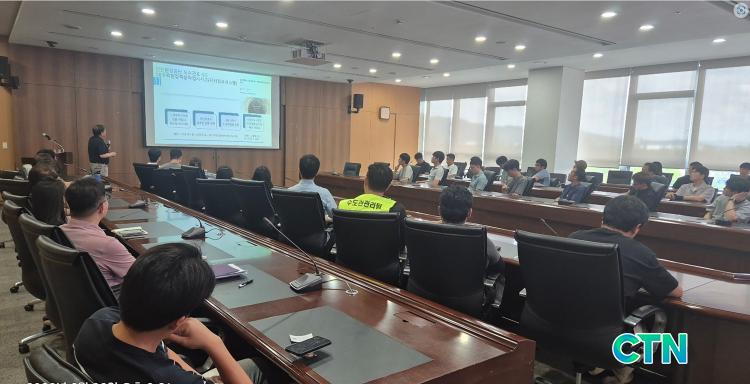
[경기/CTN]김지우 기자= 성남시 관계자는 '밀폐공간에서 발생하는 사고는 한순간의 방심이 중대재해로 이어질 수 있다'라면서, '이번 교육을 통해 작업자들이 현장에서 위험요인을 스스로 인지하고 안전수칙을 철저히 실천하는 안전문화를 정착시켜 사고 예방에 최선을 다하겠다'라고 말했다. 성남시는 26일 시청 3층 산성누리실에서 시 소속 밀폐공간 출입 종사자를 대상으로 '밀폐공간 질식재해 예방 특별교육'을 실시했다고 밝혔다. 이번 교육은 한국안전보건공단 경기동부지사와 협업해 조민환 강사를 초빙하여 사례 중심의 특별 교육 프로그램으로 진행됐다.
최근 맨홀, 오·폐수 처리시설 등 밀폐공간에서 작업 중 질식사고가 잇따르면서 현장 안전관리의 중요성이 더욱 커지고 있다. 고용노동부에 따르면 밀폐공간 질식사고는 대부분 작업 전 산소 및 유해가스 농도 측정, 환기, 보호구 착용 등 기본적인 안전수칙을 지키지 않아 발생하는 것으로 나타났다. 이에 따라 이번 교육은 밀폐공간 작업 시 주요 위험요인, 질식재해 발생 원인과 예방대책, 산소 및 유해가스 농도 측정 방법, 보호구 착용 요령, 긴급상황 발생 시 대응 절차 등 현장에서 반드시 숙지해야 할 안전수칙을 중심으로 이뤄졌다.
하지만 이 같은 주기적인 안전 교육 실시 조치에도 불구하고, 지방자치단체 산하 작업 현장의 안전 불감증을 향한 시선은 여전히 차갑기만 하다. 매년 반복되는 질식 사고의 고리를 끊지 못한 채 사고가 터질 때마다 사후약방문 격으로 일회성 '특별교육' 소집령만 남발하는 관행은 근본적인 현장 감독 부실을 가리기 위한 면피성 행정에 불과하다는 비판이 지배적이다. 특히 지자체 일각에서는 예산 부족과 인력난을 핑계로 실시간 유해가스 모니터링 장비 도입이나 노후 환기 시설 교체를 미뤄왔으며, 이로 인해 현장 노동자들을 사지로 내모는 악순환을 자초했다는 지적에서 자유롭기 어렵다.
이에 따라 단순히 강의실에 모여 사례를 청취하는 소극적 방식에서 벗어나, 관내 전체 밀폐공간의 환경 데이터를 실시간으로 관제하고 가스 누출 위험을 자발적으로 경고하는 디지털 기반 스마트 안전 관리 시스템의 선제적 도입이 대안으로 거론된다. 나아가 작업 전 가스 측정과 환기 절차를 의무적으로 전산 인증해야만 출입문이 개방되는 물리적 안전 고리를 구축하는 전폭적인 인프라 투자가 이뤄져야 한다. 강의실 안의 교육 성과를 넘어 실질적인 산소 결핍 재해를 제로화하려면, 형식적인 수칙 강조를 탈피해 현장 감독관의 상시 순찰 체계를 확립하고 안전 장비 대여 사업을 전방위로 확대해야 한다는 현장의 목소리에 귀를 기울여야 한다는 조언에 무게가 실린다.
[영문번역 기사-AI활용]
A Seongnam City official stated, 'Accidents occurring in confined spaces can lead to major disasters with just a moment of carelessness. Through this training, we will do our best to prevent accidents by establishing a safety culture where workers recognize risk factors themselves on-site and thoroughly practice safety regulations.' Seongnam City announced that it conducted 'Special Training for Preventing Suffocation Disasters in Confined Spaces' on the 26th at the Sanseong Nuri Room on the 3rd floor of the city hall, targeting affiliated employees entering confined spaces. This training was carried out as a case-centered special education program by inviting instructor Cho Min-hwan in cooperation with the Gyeonggi Eastern Branch of the Korea Occupational Safety and Health Agency.
Recently, as suffocation accidents during work in confined spaces such as manholes and wastewater treatment facilities have occurred consecutively, the importance of on-site safety management is growing further. According to the Ministry of Employment and Labor, most suffocation accidents in confined spaces occur because basic safety regulations, such as measuring oxygen and toxic gas concentrations before work, ventilation, and wearing protective equipment, are not observed. Accordingly, this training focused on safety regulations that must be fully understood on-site, such as major risk factors during confined space work, causes and preventive measures for suffocation disasters, methods for measuring oxygen and toxic gas concentrations, tips for wearing protective equipment, and response procedures in case of emergencies.
However, despite these periodic safety training measures, public sentiment toward safety insensitivity at work sites under local governments remains cold. Critics point out that it is merely an administrative evasion to cover up poor on-site supervision by repeatedly issuing one-time 'special training' mobilization orders as an after-the-fact remedy whenever an accident occurs, without breaking the chronic chain of annual suffocation disasters. In particular, some local governments are not free from the criticism that they have delayed the introduction of real-time toxic gas monitoring equipment or the replacement of aging ventilation facilities under the pretext of budget shortages and labor scarcity, thereby inviting a vicious cycle that drives field workers into fatal environments.
To overcome these structural limitations, the early implementation of a digital community-based smart safety management platform that dynamically monitors environmental data of all local confined spaces and spontaneously warns of gas leak risks is suggested as an urgent alternative. Furthermore, substantial investments must be directed toward constructing a physical safety chain where access doors open only when gas measurement and ventilation procedures are mandatorily certified through a digital network. To turn educational achievements in the lecture room into zero oxygen-deficiency disasters, authorities should prioritize on-site voices warning that a constant patrol framework by professional safety inspectors must be established and safety equipment rental projects must be comprehensively expanded beyond formally emphasizing standard checklists.
최근 맨홀, 오·폐수 처리시설 등 밀폐공간에서 작업 중 질식사고가 잇따르면서 현장 안전관리의 중요성이 더욱 커지고 있다. 고용노동부에 따르면 밀폐공간 질식사고는 대부분 작업 전 산소 및 유해가스 농도 측정, 환기, 보호구 착용 등 기본적인 안전수칙을 지키지 않아 발생하는 것으로 나타났다. 이에 따라 이번 교육은 밀폐공간 작업 시 주요 위험요인, 질식재해 발생 원인과 예방대책, 산소 및 유해가스 농도 측정 방법, 보호구 착용 요령, 긴급상황 발생 시 대응 절차 등 현장에서 반드시 숙지해야 할 안전수칙을 중심으로 이뤄졌다.
하지만 이 같은 주기적인 안전 교육 실시 조치에도 불구하고, 지방자치단체 산하 작업 현장의 안전 불감증을 향한 시선은 여전히 차갑기만 하다. 매년 반복되는 질식 사고의 고리를 끊지 못한 채 사고가 터질 때마다 사후약방문 격으로 일회성 '특별교육' 소집령만 남발하는 관행은 근본적인 현장 감독 부실을 가리기 위한 면피성 행정에 불과하다는 비판이 지배적이다. 특히 지자체 일각에서는 예산 부족과 인력난을 핑계로 실시간 유해가스 모니터링 장비 도입이나 노후 환기 시설 교체를 미뤄왔으며, 이로 인해 현장 노동자들을 사지로 내모는 악순환을 자초했다는 지적에서 자유롭기 어렵다.
이에 따라 단순히 강의실에 모여 사례를 청취하는 소극적 방식에서 벗어나, 관내 전체 밀폐공간의 환경 데이터를 실시간으로 관제하고 가스 누출 위험을 자발적으로 경고하는 디지털 기반 스마트 안전 관리 시스템의 선제적 도입이 대안으로 거론된다. 나아가 작업 전 가스 측정과 환기 절차를 의무적으로 전산 인증해야만 출입문이 개방되는 물리적 안전 고리를 구축하는 전폭적인 인프라 투자가 이뤄져야 한다. 강의실 안의 교육 성과를 넘어 실질적인 산소 결핍 재해를 제로화하려면, 형식적인 수칙 강조를 탈피해 현장 감독관의 상시 순찰 체계를 확립하고 안전 장비 대여 사업을 전방위로 확대해야 한다는 현장의 목소리에 귀를 기울여야 한다는 조언에 무게가 실린다.
[영문번역 기사-AI활용]
A Seongnam City official stated, 'Accidents occurring in confined spaces can lead to major disasters with just a moment of carelessness. Through this training, we will do our best to prevent accidents by establishing a safety culture where workers recognize risk factors themselves on-site and thoroughly practice safety regulations.' Seongnam City announced that it conducted 'Special Training for Preventing Suffocation Disasters in Confined Spaces' on the 26th at the Sanseong Nuri Room on the 3rd floor of the city hall, targeting affiliated employees entering confined spaces. This training was carried out as a case-centered special education program by inviting instructor Cho Min-hwan in cooperation with the Gyeonggi Eastern Branch of the Korea Occupational Safety and Health Agency.
Recently, as suffocation accidents during work in confined spaces such as manholes and wastewater treatment facilities have occurred consecutively, the importance of on-site safety management is growing further. According to the Ministry of Employment and Labor, most suffocation accidents in confined spaces occur because basic safety regulations, such as measuring oxygen and toxic gas concentrations before work, ventilation, and wearing protective equipment, are not observed. Accordingly, this training focused on safety regulations that must be fully understood on-site, such as major risk factors during confined space work, causes and preventive measures for suffocation disasters, methods for measuring oxygen and toxic gas concentrations, tips for wearing protective equipment, and response procedures in case of emergencies.
However, despite these periodic safety training measures, public sentiment toward safety insensitivity at work sites under local governments remains cold. Critics point out that it is merely an administrative evasion to cover up poor on-site supervision by repeatedly issuing one-time 'special training' mobilization orders as an after-the-fact remedy whenever an accident occurs, without breaking the chronic chain of annual suffocation disasters. In particular, some local governments are not free from the criticism that they have delayed the introduction of real-time toxic gas monitoring equipment or the replacement of aging ventilation facilities under the pretext of budget shortages and labor scarcity, thereby inviting a vicious cycle that drives field workers into fatal environments.
To overcome these structural limitations, the early implementation of a digital community-based smart safety management platform that dynamically monitors environmental data of all local confined spaces and spontaneously warns of gas leak risks is suggested as an urgent alternative. Furthermore, substantial investments must be directed toward constructing a physical safety chain where access doors open only when gas measurement and ventilation procedures are mandatorily certified through a digital network. To turn educational achievements in the lecture room into zero oxygen-deficiency disasters, authorities should prioritize on-site voices warning that a constant patrol framework by professional safety inspectors must be established and safety equipment rental projects must be comprehensively expanded beyond formally emphasizing standard checklists.
 |
김지우 기자 ymjs790729@naver.com
김지우 기자 입니다. |