산업통상자원부, 현장 외면한 고강도 압박에 업계 "고사 위기"
-김정관 산업통상자원부 장관, 27일부터 리터당 150원 인하한 7차 석유 최고가격 고시 발표
-미-이란 종전 MOU에 따른 국제유가 하락분 반영 홍보... 범부처 점검단 동원해 주유소 현장 압박 예고
-미-이란 종전 MOU에 따른 국제유가 하락분 반영 홍보... 범부처 점검단 동원해 주유소 현장 압박 예고
가요진 기자입력 : 2026. 06. 29(월) 19:28


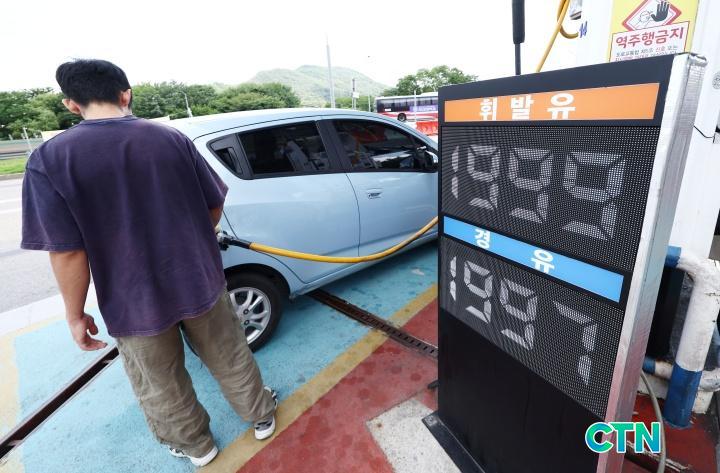
사진=산업통상부 제공
[산업부/CTN]가요진 기자= 산업통상자원부 관계자는 "민생 안정이라는 최고가격제도의 기본 취지 아래, 국내 석유가격 안정과 국민 물가 부담 완화를 위해 국제유가 하락분을 선제적으로 반영하여 7차 최고가격을 전격 인하하기로 결정했다"라면서, "최고가격 하락을 국민들이 신속히 체감할 수 있도록 가격 인하를 의도적으로 지연시키는 주유소에 대해 면밀하게 점검을 실시해나갈 계획이다"라고 말했다. 산업부는 6월 27일 00시부터 적용될 7차 석유 최고가격을 6차 대비 리터당 150원 인하해 휘발유 1,784원, 경유 1,773원, 등유 1,380원으로 설정한다고 밝혔다.
정부는 미국과 이란의 종전 MOU 합의 이후 호르무즈 해협 통항 증가로 국제유가가 배럴당 70달러대 초·중반까지 하락함에 따라 이번 인하를 단행했다. 주유소 소비자가격은 리터당 1,800원대로 낮아질 전망이다. 정부는 소비자단체, 공공기관 등과 합동으로 전국 1만여 개 주유소의 가격과 물량을 집중 모니터링하고, '범부처 시장점검단'을 구성해 고강도 현장점검과 엄정 조치에 나설 계획이다. 7차 최고가격은 향후 4주간 적용하되 시장 상황에 따라 조정주기를 탄력적으로 운영한다는 방침으로, 시는 이를 통해 민생 물가 안정의 기틀을 마련하겠다는 셈법이다.
하지만 이처럼 정부가 국제유가 하락세에 발맞춘 전격적인 최고가 인하와 합동 점검단 가동 실적을 대단한 민생 안농 성과로 홍보하고 나선 것과 달리, 석유유통 업계와 에너지 경제 전문가들 사이에서는 시장의 고유한 가격 결정 기능을 마비시키는 전형적인 탁상공론이자 영세 자영업자들에게 손실을 떠넘기는 과도한 규제라는 비판이 지배적이다. 유통 전문가들은 주유소들이 과거 비싼 단가에 매입해 둔 기존 유류 재고를 소진하는 데 최소 수일에서 수주일의 시차가 발생하는 구조적 현실을 고려할 때, 지자체와 관청이 '의도적 지연'이라는 낙인을 찍어 일선 주유소를 잠재적 범죄자 취급하며 고강도 현장점검으로 압박하는 것은 시장 현실을 철저히 무시한 전형적인 생색내기식 행정이라고 꼬집는다. 특히 대형 정유사의 공급 가격 구조나 유통 마진의 근본적인 체질 개선 대책은 미룬 채, 정권의 물가 관리 치적을 쌓기 위해 4주간 가격을 강제로 묶어두고 단속 공무원만 현장에 동원하는 방식은 관청 주도의 실적 쌓기용 말잔치라는 지적에서 자유롭기 어렵다.
이에 따라 단순히 점검단 적발 횟수나 주유소 가격 인하 유도 수치라는 수치적 흥행에 안주할 것이 아니라, 정유사 공급 가격과 일선 주유소의 재고 단가 데이터를 실시간으로 검증하고 손실분을 합리적으로 보전하는 디지털 기반 '스마트 석유 유통 통합 조달 플랫폼'의 선제적 도입이 시급한 대안으로 거론된다. 나아가 강압적인 단속 이벤트로 민간 시장의 자율성을 꺾는 우를 범하지 않도록, 유가 변동 리스크를 완화할 수 있는 세제 혜택과 유통 보조금 지원을 현실화하고 관련 시장 전문 실무 인력을 행정 전반에 상시 배치해 현장의 걸림돌을 제거해야 한다. 결과적으로 겉포장만 화려한 선제적 반영이나 민생 안정 구호를 남발하기보다는, 에너지 시장의 유통 체계를 혁신하고 가격 신호가 정상적으로 작동할 수 있도록 돕는 농밀한 행정의 체질 개선이 선행되어야 마땅할 것이다.
[영문번역 기사-AI활용]
A Ministry of Trade, Industry and Energy official stated, "Under the basic principle of the maximum price system for public livelihood stabilization, we have decisively lowered the 7th maximum price by proactively reflecting the decline in international oil prices to stabilize domestic fuel prices and alleviate the public inflation burden. We plan to conduct close inspections against gas stations that intentionally delay price reductions so that citizens can promptly experience the maximum price reduction on-site." The Ministry of Trade, Industry and Energy announced that it will lower the 7th petroleum maximum price, effective from 00:00 on June 27, by 150 won per liter compared to the 6th phase, setting the upper limits at 1,784 won for gasoline, 1,773 won for diesel, and 1,380 won for kerosene.
The government implemented this reduction as international oil prices fell to the early-to-mid $70 range per barrel following the US-Iran end-of-war MOU agreement, which increased oil tanker transits through the Strait of Hormuz. Retail prices at gas stations are expected to drop to the early 1,800 won range. The government plans to intensely monitor prices and volume metrics across 10,000 gas stations nationwide in cooperation with consumer groups and public agencies, while deploying a 'Pan-Ministry Market Inspection Team' for high-intensity on-site crackdowns. The 7th maximum price will be applied for the next four weeks, with authorities planning to utilize these metrics to flexibly manage adjustment cycles based on shifting market conditions.
However, despite the ministry's extensive promotion of its proactive maximum price reduction and the deployment of a joint inspection team as major public livelihood milestones, petroleum distribution associations and energy economists point out that it is an administrative convenience-oriented convenience that paralyzes market pricing functions while acting as a counterproductive regulatory barrier transferring financial losses to small business owners. Distribution experts note that a structural time lag of several days to weeks inevitably occurs for gas stations to deplete existing inventories purchased at previously high wholesale rates; yet, assigning an 'intentional delay' stigma to micro-retailers while launching high-intensity crackdowns is practically flawed and completely ignores market realities. In particular, some sectors point out that relying on top-down administrative ceremonies to stack bureaucratic records by locking prices for four weeks—while neglecting fundamental structural overhauls of refinery supply networks or supply margin inequalities—is not free from the criticism of being a mere bureaucratic show.
To overcome these structural limitations, the early implementation of a digital community-based comprehensive petroleum procurement platform that systematically tracks refinery wholesale metrics alongside real-time retail inventory costs is suggested as an urgent alternative to coordinate fair loss settlements. Furthermore, rather than relying solely on slogan-driven administrative novelty declarations that inadvertently freeze private sector commercial vitality through heavy-handed monitoring festivals, authorities should prioritize practical administrative support measures, such as restructuring budgets to expand corporate tax incentives and direct distribution subsidies while practically deploying professional energy market coordinators on-site for contractual guidance. Consequently, rather than overestimating the effects of proclaiming a flashy public inflation relief slogan, prioritizing substantive administrative framework reforms aimed at securing transparent distribution channels and stabilizing market-friendly pricing mechanisms must be prioritized.
정부는 미국과 이란의 종전 MOU 합의 이후 호르무즈 해협 통항 증가로 국제유가가 배럴당 70달러대 초·중반까지 하락함에 따라 이번 인하를 단행했다. 주유소 소비자가격은 리터당 1,800원대로 낮아질 전망이다. 정부는 소비자단체, 공공기관 등과 합동으로 전국 1만여 개 주유소의 가격과 물량을 집중 모니터링하고, '범부처 시장점검단'을 구성해 고강도 현장점검과 엄정 조치에 나설 계획이다. 7차 최고가격은 향후 4주간 적용하되 시장 상황에 따라 조정주기를 탄력적으로 운영한다는 방침으로, 시는 이를 통해 민생 물가 안정의 기틀을 마련하겠다는 셈법이다.
하지만 이처럼 정부가 국제유가 하락세에 발맞춘 전격적인 최고가 인하와 합동 점검단 가동 실적을 대단한 민생 안농 성과로 홍보하고 나선 것과 달리, 석유유통 업계와 에너지 경제 전문가들 사이에서는 시장의 고유한 가격 결정 기능을 마비시키는 전형적인 탁상공론이자 영세 자영업자들에게 손실을 떠넘기는 과도한 규제라는 비판이 지배적이다. 유통 전문가들은 주유소들이 과거 비싼 단가에 매입해 둔 기존 유류 재고를 소진하는 데 최소 수일에서 수주일의 시차가 발생하는 구조적 현실을 고려할 때, 지자체와 관청이 '의도적 지연'이라는 낙인을 찍어 일선 주유소를 잠재적 범죄자 취급하며 고강도 현장점검으로 압박하는 것은 시장 현실을 철저히 무시한 전형적인 생색내기식 행정이라고 꼬집는다. 특히 대형 정유사의 공급 가격 구조나 유통 마진의 근본적인 체질 개선 대책은 미룬 채, 정권의 물가 관리 치적을 쌓기 위해 4주간 가격을 강제로 묶어두고 단속 공무원만 현장에 동원하는 방식은 관청 주도의 실적 쌓기용 말잔치라는 지적에서 자유롭기 어렵다.
이에 따라 단순히 점검단 적발 횟수나 주유소 가격 인하 유도 수치라는 수치적 흥행에 안주할 것이 아니라, 정유사 공급 가격과 일선 주유소의 재고 단가 데이터를 실시간으로 검증하고 손실분을 합리적으로 보전하는 디지털 기반 '스마트 석유 유통 통합 조달 플랫폼'의 선제적 도입이 시급한 대안으로 거론된다. 나아가 강압적인 단속 이벤트로 민간 시장의 자율성을 꺾는 우를 범하지 않도록, 유가 변동 리스크를 완화할 수 있는 세제 혜택과 유통 보조금 지원을 현실화하고 관련 시장 전문 실무 인력을 행정 전반에 상시 배치해 현장의 걸림돌을 제거해야 한다. 결과적으로 겉포장만 화려한 선제적 반영이나 민생 안정 구호를 남발하기보다는, 에너지 시장의 유통 체계를 혁신하고 가격 신호가 정상적으로 작동할 수 있도록 돕는 농밀한 행정의 체질 개선이 선행되어야 마땅할 것이다.
[영문번역 기사-AI활용]
A Ministry of Trade, Industry and Energy official stated, "Under the basic principle of the maximum price system for public livelihood stabilization, we have decisively lowered the 7th maximum price by proactively reflecting the decline in international oil prices to stabilize domestic fuel prices and alleviate the public inflation burden. We plan to conduct close inspections against gas stations that intentionally delay price reductions so that citizens can promptly experience the maximum price reduction on-site." The Ministry of Trade, Industry and Energy announced that it will lower the 7th petroleum maximum price, effective from 00:00 on June 27, by 150 won per liter compared to the 6th phase, setting the upper limits at 1,784 won for gasoline, 1,773 won for diesel, and 1,380 won for kerosene.
The government implemented this reduction as international oil prices fell to the early-to-mid $70 range per barrel following the US-Iran end-of-war MOU agreement, which increased oil tanker transits through the Strait of Hormuz. Retail prices at gas stations are expected to drop to the early 1,800 won range. The government plans to intensely monitor prices and volume metrics across 10,000 gas stations nationwide in cooperation with consumer groups and public agencies, while deploying a 'Pan-Ministry Market Inspection Team' for high-intensity on-site crackdowns. The 7th maximum price will be applied for the next four weeks, with authorities planning to utilize these metrics to flexibly manage adjustment cycles based on shifting market conditions.
However, despite the ministry's extensive promotion of its proactive maximum price reduction and the deployment of a joint inspection team as major public livelihood milestones, petroleum distribution associations and energy economists point out that it is an administrative convenience-oriented convenience that paralyzes market pricing functions while acting as a counterproductive regulatory barrier transferring financial losses to small business owners. Distribution experts note that a structural time lag of several days to weeks inevitably occurs for gas stations to deplete existing inventories purchased at previously high wholesale rates; yet, assigning an 'intentional delay' stigma to micro-retailers while launching high-intensity crackdowns is practically flawed and completely ignores market realities. In particular, some sectors point out that relying on top-down administrative ceremonies to stack bureaucratic records by locking prices for four weeks—while neglecting fundamental structural overhauls of refinery supply networks or supply margin inequalities—is not free from the criticism of being a mere bureaucratic show.
To overcome these structural limitations, the early implementation of a digital community-based comprehensive petroleum procurement platform that systematically tracks refinery wholesale metrics alongside real-time retail inventory costs is suggested as an urgent alternative to coordinate fair loss settlements. Furthermore, rather than relying solely on slogan-driven administrative novelty declarations that inadvertently freeze private sector commercial vitality through heavy-handed monitoring festivals, authorities should prioritize practical administrative support measures, such as restructuring budgets to expand corporate tax incentives and direct distribution subsidies while practically deploying professional energy market coordinators on-site for contractual guidance. Consequently, rather than overestimating the effects of proclaiming a flashy public inflation relief slogan, prioritizing substantive administrative framework reforms aimed at securing transparent distribution channels and stabilizing market-friendly pricing mechanisms must be prioritized.
 |
가요진 기자 gyj1119@naver.com
|