3월 토론회 거쳐 5월 통제, 전주시 '두꺼비 로드킬' 임시방편 언제까지
-전주시, 12~15일 아중호수 일대 새끼 두꺼비 이동기 맞아 무릉제~아중습지 도로 통제
-습도 높은 날 집중 모니터링 및 유도 울타리 설치… 안전한 기린봉 이동 유도
-습도 높은 날 집중 모니터링 및 유도 울타리 설치… 안전한 기린봉 이동 유도
최동주 인턴기자입력 : 2026. 05. 18(월) 09:42


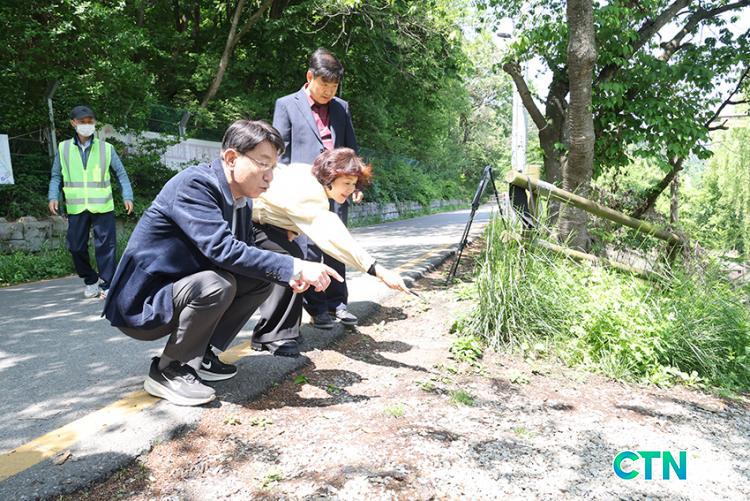
사진=전주시청 제공
[전주/CTN]최동주 기자= 조미영 전주시 환경위생과장은 "새끼 두꺼비 집단 이동 시기 동안 시민들께서는 아중호수 인근 도로 이용 시 서행 운전과 우회에 적극 협조해 주시길 바란다"라며, 작은 생명을 지키는 활동이 건강한 도시 생태환경을 만드는 첫걸음인 만큼 시민들의 관심과 참여가 절실하다고 강조했다. 전주시는 아중호수 상류 습지에서 기린봉 서식지로 대거 이동하는 새끼 두꺼비들의 로드킬을 예방하기 위해 오는 12일부터 15일까지 일대 도로의 차량 통행을 탄력적으로 제한하는 등 고강도 생태 보호 활동에 돌입한다고 밝혔다.
시의 이번 조치는 비가 오거나 습도가 높아 새끼 두꺼비들이 집단으로 움직이는 타이밍을 면밀히 파악해 무릉제에서 아중습지에 이르는 일정 구간의 차량 진입을 막아서는 방식을 취한다. 앞서 전주시는 환경단체와 함께 지속적인 모니터링을 거쳐 이동 경로를 확인하고 도로 주변에 '유도 울타리'를 설치하는 등 사전 작업을 마쳤으며, 지난 3월에는 정책토론회를 열어 전문가와 시민들의 의견을 수렴해 향후 구조적인 로드킬 저감 대책에 반영하겠다는 방침을 세웠다.
지자체가 로드킬이라는 생태계의 비극을 막기 위해 공공 도로를 일시 통제하며 환경적 가치를 최우선으로 두는 행보는, 경기도가 식생활 취약계층의 굶주림을 막고자 '그냥드림' 사업을 도내 전역으로 과감히 확대하며 사회적 기본권을 사수한 복지 행정과 결이 비슷하다. 여수시가 타 지자체와의 교류를 통해 '2026여수세계섬박람회'의 대외 홍보를 공고히 하며 지역의 미래 자산을 키우려 노력하듯, 전주시 역시 양서류의 이동권을 보장함으로써 생태 도시로서의 브랜드 가치를 선제적으로 확보하겠다는 계산으로 풀이된다.
하지만 매년 반복되는 두꺼비 떼의 이동 시기마다 '몇 일간의 도로 통제'라는 임시방편에 의존하는 행정 구조는 다분히 소모적이다. 광주광역시가 도심 전체를 AI 실험실로 만들겠다며 3천 개가 넘는 '실증장소'를 오픈하는 호기로움을 보였으나 정작 내실 있는 지원책이 미비했다는 지적을 받은 것처럼, 전주시 또한 "두꺼비가 가니 차는 돌아가라"는 식의 일방적인 통제령만 반복할 뿐 근본적인 해결책 마련에는 거북이걸음이다. 기린봉과 아중호수를 잇는 생태축이 도로 건설로 인해 원초적으로 단절된 상태에서, 매년 공무원과 환경단체를 현장에 투입해 생태 바리케이드를 치는 방식은 운전자들의 불편을 가중시키고 사회적 비용을 유발할 뿐이다.
결국 전주시의 생태 보호가 지속 가능한 정책으로 안착하려면, 단순히 5월 한 철 통제 퍼포먼스에 머물지 말고 도로 하부를 관통하는 전용 '생태 통로(에코로드)'의 상시 확충이나 지하 유도관 설치 같은 물리적 인프라 구축이 선행되어야 한다. 3월 토론회에서 나온 전문가들의 제언이 캐비닛 속 보고서로 사장되지 않도록 실질적인 공사 예산을 편성하는 '행정의 결단'이 필요하다. 작은 생명을 지키는 인도주의적 행정이 빛을 발하기 위해서라도, 전주시는 시민의 이동권과 두꺼비의 생존권이 매년 충돌하는 이 아슬아슬한 대치 상태를 끝낼 근본적인 종지부를 찍어야 할 것이다.
#전주시 #우범기전시장 #아중호수 #새끼두꺼비 #로드킬예방 #교통통제 #기린봉 #생태도시 #유도울타리 #환경위생과 #적극행정인가임시방편인가 #양서류보호 #생태통로 #시민협조 #아중습지 #지방자치시대 #자연상생 #환경보호 #민원대책 #시사비평 #CTN
[영문번역 기사-AI활용]
Cho Mi-young, head of the Environmental Sanitation Division of Jeonju City, emphasized, "During the period of mass migration of baby toads, we ask citizens to actively cooperate with slow driving and detours when using roads near Ajoong Lake," adding that since protecting small lives is the first step toward creating a healthy urban ecological environment, the interest and participation of citizens are desperately needed. Jeonju City announced that it will embark on high-intensity ecological protection activities, including flexibly restricting vehicle traffic on local roads from the 12th to the 15th, to prevent roadkill of baby toads migrating in large numbers from the upper wetlands of Ajoong Lake to their habitat in Girinbong.
The city's measure takes the form of blocking vehicle entry to a certain section from Mureungje to the Ajoong wetland by closely identifying the timing when baby toads move in groups due to rain or high humidity. Previously, Jeonju City, along with environmental groups, confirmed the migration routes through continuous monitoring and completed preliminary work such as installing 'guiding fences' around the roads. In March, a policy forum was held to gather opinions from experts and citizens, establishing a plan to reflect them in structural roadkill reduction measures in the future.
The local government's move to temporarily control public roads to prevent the ecological tragedy of roadkill and place top priority on environmental values is similar in nature to the welfare administration of Gyeonggi Province, which protected basic social rights by boldly expanding the 'Geunyang Dream' project across the province to prevent hunger among vulnerable groups. Just as Yeosu City strives to cultivate its future assets by strengthening the external promotion of the '2026 Yeosu World Island Exhibition' through exchanges with other local governments, Jeonju City's effort is also interpreted as a calculated move to preemptively secure its brand value as an ecological city by guaranteeing the migration rights of amphibians.
However, relying on the makeshift solution of 'controlling roads for a few days' during every recurring migration season of toad swarms is inherently consumptive. Just as Gwangju Metropolitan City showed bravado in opening over 3,000 'verification sites' to turn the entire city into an AI laboratory but faced criticism for lacking substantial support measures, Jeonju City is also making turtle-paced progress in preparing fundamental solutions, repeating only unilateral control orders like "detour because toads are passing." With the ecological axis connecting Girinbong and Ajoong Lake elementally severed by road construction, the method of deploying public officials and environmental groups to the site every year to set up ecological barricades only increases driver inconvenience and incurs social costs.
Ultimately, for Jeonju City's ecological protection to settle as a sustainable policy, instead of stopping at a temporary control performance during a single season in May, the establishment of physical infrastructure—such as the permanent expansion of dedicated 'eco-passages' penetrating the lower part of roads or the installation of underground guide pipes—must precede. An 'administrative decision' to allocate actual construction budgets is required so that the recommendations of experts from the March forum do not end up dead in a cabinet file. In order for the humanitarian administration that protects small lives to shine, Jeonju City must put a fundamental end to this precarious confrontation where citizens' right to mobility and toads' right to survival clash every year.
시의 이번 조치는 비가 오거나 습도가 높아 새끼 두꺼비들이 집단으로 움직이는 타이밍을 면밀히 파악해 무릉제에서 아중습지에 이르는 일정 구간의 차량 진입을 막아서는 방식을 취한다. 앞서 전주시는 환경단체와 함께 지속적인 모니터링을 거쳐 이동 경로를 확인하고 도로 주변에 '유도 울타리'를 설치하는 등 사전 작업을 마쳤으며, 지난 3월에는 정책토론회를 열어 전문가와 시민들의 의견을 수렴해 향후 구조적인 로드킬 저감 대책에 반영하겠다는 방침을 세웠다.
지자체가 로드킬이라는 생태계의 비극을 막기 위해 공공 도로를 일시 통제하며 환경적 가치를 최우선으로 두는 행보는, 경기도가 식생활 취약계층의 굶주림을 막고자 '그냥드림' 사업을 도내 전역으로 과감히 확대하며 사회적 기본권을 사수한 복지 행정과 결이 비슷하다. 여수시가 타 지자체와의 교류를 통해 '2026여수세계섬박람회'의 대외 홍보를 공고히 하며 지역의 미래 자산을 키우려 노력하듯, 전주시 역시 양서류의 이동권을 보장함으로써 생태 도시로서의 브랜드 가치를 선제적으로 확보하겠다는 계산으로 풀이된다.
하지만 매년 반복되는 두꺼비 떼의 이동 시기마다 '몇 일간의 도로 통제'라는 임시방편에 의존하는 행정 구조는 다분히 소모적이다. 광주광역시가 도심 전체를 AI 실험실로 만들겠다며 3천 개가 넘는 '실증장소'를 오픈하는 호기로움을 보였으나 정작 내실 있는 지원책이 미비했다는 지적을 받은 것처럼, 전주시 또한 "두꺼비가 가니 차는 돌아가라"는 식의 일방적인 통제령만 반복할 뿐 근본적인 해결책 마련에는 거북이걸음이다. 기린봉과 아중호수를 잇는 생태축이 도로 건설로 인해 원초적으로 단절된 상태에서, 매년 공무원과 환경단체를 현장에 투입해 생태 바리케이드를 치는 방식은 운전자들의 불편을 가중시키고 사회적 비용을 유발할 뿐이다.
결국 전주시의 생태 보호가 지속 가능한 정책으로 안착하려면, 단순히 5월 한 철 통제 퍼포먼스에 머물지 말고 도로 하부를 관통하는 전용 '생태 통로(에코로드)'의 상시 확충이나 지하 유도관 설치 같은 물리적 인프라 구축이 선행되어야 한다. 3월 토론회에서 나온 전문가들의 제언이 캐비닛 속 보고서로 사장되지 않도록 실질적인 공사 예산을 편성하는 '행정의 결단'이 필요하다. 작은 생명을 지키는 인도주의적 행정이 빛을 발하기 위해서라도, 전주시는 시민의 이동권과 두꺼비의 생존권이 매년 충돌하는 이 아슬아슬한 대치 상태를 끝낼 근본적인 종지부를 찍어야 할 것이다.
#전주시 #우범기전시장 #아중호수 #새끼두꺼비 #로드킬예방 #교통통제 #기린봉 #생태도시 #유도울타리 #환경위생과 #적극행정인가임시방편인가 #양서류보호 #생태통로 #시민협조 #아중습지 #지방자치시대 #자연상생 #환경보호 #민원대책 #시사비평 #CTN
[영문번역 기사-AI활용]
Cho Mi-young, head of the Environmental Sanitation Division of Jeonju City, emphasized, "During the period of mass migration of baby toads, we ask citizens to actively cooperate with slow driving and detours when using roads near Ajoong Lake," adding that since protecting small lives is the first step toward creating a healthy urban ecological environment, the interest and participation of citizens are desperately needed. Jeonju City announced that it will embark on high-intensity ecological protection activities, including flexibly restricting vehicle traffic on local roads from the 12th to the 15th, to prevent roadkill of baby toads migrating in large numbers from the upper wetlands of Ajoong Lake to their habitat in Girinbong.
The city's measure takes the form of blocking vehicle entry to a certain section from Mureungje to the Ajoong wetland by closely identifying the timing when baby toads move in groups due to rain or high humidity. Previously, Jeonju City, along with environmental groups, confirmed the migration routes through continuous monitoring and completed preliminary work such as installing 'guiding fences' around the roads. In March, a policy forum was held to gather opinions from experts and citizens, establishing a plan to reflect them in structural roadkill reduction measures in the future.
The local government's move to temporarily control public roads to prevent the ecological tragedy of roadkill and place top priority on environmental values is similar in nature to the welfare administration of Gyeonggi Province, which protected basic social rights by boldly expanding the 'Geunyang Dream' project across the province to prevent hunger among vulnerable groups. Just as Yeosu City strives to cultivate its future assets by strengthening the external promotion of the '2026 Yeosu World Island Exhibition' through exchanges with other local governments, Jeonju City's effort is also interpreted as a calculated move to preemptively secure its brand value as an ecological city by guaranteeing the migration rights of amphibians.
However, relying on the makeshift solution of 'controlling roads for a few days' during every recurring migration season of toad swarms is inherently consumptive. Just as Gwangju Metropolitan City showed bravado in opening over 3,000 'verification sites' to turn the entire city into an AI laboratory but faced criticism for lacking substantial support measures, Jeonju City is also making turtle-paced progress in preparing fundamental solutions, repeating only unilateral control orders like "detour because toads are passing." With the ecological axis connecting Girinbong and Ajoong Lake elementally severed by road construction, the method of deploying public officials and environmental groups to the site every year to set up ecological barricades only increases driver inconvenience and incurs social costs.
Ultimately, for Jeonju City's ecological protection to settle as a sustainable policy, instead of stopping at a temporary control performance during a single season in May, the establishment of physical infrastructure—such as the permanent expansion of dedicated 'eco-passages' penetrating the lower part of roads or the installation of underground guide pipes—must precede. An 'administrative decision' to allocate actual construction budgets is required so that the recommendations of experts from the March forum do not end up dead in a cabinet file. In order for the humanitarian administration that protects small lives to shine, Jeonju City must put a fundamental end to this precarious confrontation where citizens' right to mobility and toads' right to survival clash every year.
 |
최동주 인턴기자 dongjoo3333@naver.com
|
#JeonjuCity #MayorWoobeomki #AjoongLake #BabyToad #RoadkillPrevention #TrafficControl #Girinbong #EcologicalCity #GuidingFence #EnvironmentalSanitation #ActiveAdministrationOrMakeshiftSolution #AmphibianProtection #EcoPassage #CitizenCooperation #AjoongWetland #EraOfLocalAutonomy #NatureCoexistence #EnvironmentalProtection #CivilComplaintMeasures #CurrentAffairsCritique #CTN