성일종 의원, 학군단장 직급·인력 편제 재검토해야 '서울권 24곳 중 12곳' 해당
서울권 12개 학군단 편제 36명에 임관 74명
서울 외 지역보다 10명 미만 비율 7배
서울 외 지역보다 10명 미만 비율 7배
가금현 기자입력 : 2026. 09. 29(화) 14:07


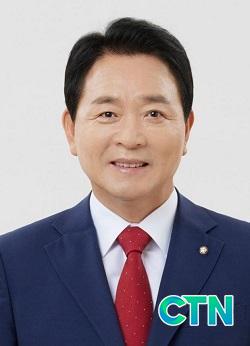
성일종 국회의원
[CTN/정치]가금현 기자 = 서울권 일부 육군 학군단이 대령급 단장과 장교·군무원 등 운영인력을 갖추고도 연간 임관 인원이 10명에도 미치지 못하는 것으로 나타났다.
특히 2026년 서울 동부·서부권역 24개 학군단 가운데 절반인 12곳의 올해 임관 인원이 10명 미만인 것으로 확인되면서, 장교 양성 규모에 맞춰 학군단의 지휘관 직급과 인력 편제를 재검토해야 한다는 지적이 제기됐다.
국회 국방위원회 소속 성일종 국민의힘 의원(충남 서산·태안)이 육군으로부터 제출받은 '육군 학군단 인력 현황'을 분석한 결과, 서울 동부·서부권역 24개 학군단 중 12개 학군단의 2026년 임관 인원이 10명 미만이었다.
이들 12개 학군단의 장교·군무원 편제는 총 36명이었으며, 올해 임관 인원은 74명으로 집계됐다. 단순 비교하면 편제 인력 1명당 임관 인원은 약 2.1명이다.
대령급 단장이 배치된 학군단에서도 한 자릿수 임관 실적을 기록한 곳이 확인됐다.
한양대 학군단은 장교 2명과 군무원 1명 등 총 3명의 편제를 두고 올해 6명을 임관시켰다.
중앙대는 3명 편제에 7명, 고려대는 4명 편제에 8명, 동국대는 3명 편제에 9명이 각각 임관했다.
이들 4개 학군단에는 각각 대령급 단장 직위가 있으며, 장교·군무원 편제는 총 13명이다. 올해 임관 인원은 모두 30명으로, 편제 인력 1명당 임관 인원은 약 2.3명으로 나타났다.
대령은 야전에서 여단급 부대를 지휘하는 고급 영관장교다.
이에 따라 후보생 교육과 모집이라는 학군단의 특수성을 고려하더라도 연간 장교 배출 인원이 6~9명에 그치는 학군단에 대령급 지휘관과 별도의 운영인력을 배치하는 것이 적정한지를 검토할 필요가 있다는 지적이다.
중령급 단장이 배치된 학군단에서도 편제 인력과 임관 인원이 비슷하거나 임관 인원이 더 적은 사례가 나타났다.
성균관대 학군단은 장교 2명과 군무원 2명 등 총 4명이 편제돼 있지만 올해 임관 인원은 3명에 그쳤다.
서강대와 홍익대는 각각 3명 편제에 3명이 임관했으며, 경희대는 4명 편제에 4명이 임관했다.
이들 4개 학군단의 장교·군무원 편제는 총 14명인 반면 올해 임관 인원은 총 13명으로, 편제 인력이 임관 인원보다 많았다.
반면 같은 서울권에서도 학군단별 임관 실적에는 상당한 차이가 있는 것으로 나타났다.
상명대와 서경대는 각각 장교 2명 편제로 운영되면서 올해 30여 명의 장교를 배출한 것으로 나타났다. 반면 일부 학군단은 이보다 많은 인력을 편제하고도 연간 임관 인원이 3~4명에 머문 것으로 파악됐다.
서울권에서 임관 인원이 10명 미만인 학군단은 최근 수년간 증가하는 추세다.
2021년과 2022년에는 각각 1개였지만 2023년 2개, 2024년 3개, 2025년 6개로 늘었고, 2026년에는 12개까지 증가했다.
서울 외 권역과 비교하면 격차는 더욱 두드러졌다.
서울 외 84개 학군단 가운데 올해 임관 인원이 10명 미만인 곳은 6개로 전체의 7.1%였다.
반면 서울권은 24개 중 12개로 50.0%를 차지했다. 비율만 놓고 보면 서울권의 해당 학군단 비중이 서울 외 권역보다 약 7배 높다.
반면 학군단당 평균 장교·군무원 편제는 서울권 2.92명, 서울 외 권역 2.88명으로 큰 차이가 없었다.
이에 따라 동일한 수준의 인력 편제가 유지되는 상황에서 지역별 학군단의 임관 실적 차이가 커지고 있는 만큼, 학군단 운영체계 전반을 점검할 필요가 있다는 분석이 나온다.
성일종 의원은 "일부 학군단은 연간 임관 인원이 장교·군무원 편제 인원보다도 적은 만큼, 서울 지역의 경우 권역별 학군단으로 통합하는 등 효율적 운영체계를 마련해야 할 시점"이라고 밝혔다.
이어 "육군은 학군단장 직급과 인력 편제를 재검토하고, 각 대학별 학군단의 편제는 보전하더라도 동일 권역 대학 간 훈육·행정 공동 운영 등 실질적인 효율화 방안을 마련해야 한다"고 강조했다.
이번 자료는 서울권 학군단의 임관 규모와 운영인력 편제 간 격차가 확대되고 있는 상황에서, 장교 양성 수요에 맞춘 학군단 운영체계와 인력 배치의 적정성을 둘러싼 논의가 필요하다는 점을 보여준다.
[영문번역-AI]
“Six Officers Commissioned Despite a Colonel-Level Commander”… Half of Seoul’s Army ROTC Units Commissioned Fewer Than 10 Officers in 2026
Rep. Seong Il-jong calls for a review of ROTC commander ranks and staffing structures amid widening differences in commissioning numbers
[CTN/Politics] Reporter Ga Geum-hyeon = Some Army Reserve Officers’ Training Corps (ROTC) units in Seoul have colonel-level commanders and dedicated officers and civilian personnel, yet commissioned fewer than 10 officers in a year.
The findings have raised questions over whether the rank of ROTC unit commanders and staffing levels should be reviewed in line with the actual scale of officer training.
According to an analysis by Rep. Seong Il-jong of the People Power Party, a member of the National Assembly’s National Defense Committee, based on data submitted by the Army on “Army ROTC Personnel Status,” 12 of the 24 ROTC units in eastern and western Seoul commissioned fewer than 10 officers in 2026.
The 12 units had a combined authorized staffing level of 36 officers and civilian personnel, while 74 officers were commissioned this year. This amounts to approximately 2.1 commissioned officers per authorized staff member.
Several ROTC units with colonel-level commanders also recorded single-digit commissioning numbers.
Hanyang University’s ROTC unit had three personnel positions, consisting of two officers and one civilian employee, and commissioned six officers this year. Chung-Ang University had three personnel positions and commissioned seven officers, while Korea University had four personnel positions and commissioned eight officers. Dongguk University had three personnel positions and commissioned nine officers.
The four ROTC units each have a colonel-level commander. Their combined staffing consists of 13 officers and civilian personnel, while a total of 30 officers were commissioned this year.
The figures have prompted questions over whether assigning colonel-level commanders and separate operating personnel to ROTC units commissioning only six to nine officers annually is appropriate, even considering the special role of ROTC units in recruiting and training officer candidates.
Similar cases were found among ROTC units headed by lieutenant colonel-level commanders.
Sungkyunkwan University had four authorized personnel positions—two officers and two civilian employees—but commissioned only three officers this year. Sogang University and Hongik University each had three personnel positions and commissioned three officers, while Kyung Hee University had four personnel positions and commissioned four officers.
The four units had a combined staffing level of 14, compared with 13 officers commissioned this year.
At the same time, significant differences were found among Seoul ROTC units. Sangmyung University and Seokyeong University each had two authorized officer positions but commissioned more than 30 officers this year.
The number of Seoul ROTC units commissioning fewer than 10 officers has also increased steadily. The number was one each in 2021 and 2022, two in 2023, three in 2024, six in 2025, and 12 in 2026.
The gap becomes more apparent when Seoul is compared with other regions.
Among 84 ROTC units outside Seoul, six, or 7.1%, commissioned fewer than 10 officers this year. In Seoul, the figure was 12 out of 24, or 50.0%—approximately seven times the proportion outside Seoul.
Meanwhile, the average number of authorized officers and civilian personnel per ROTC unit was similar in Seoul and other regions, at 2.92 and 2.88 respectively.
Rep. Seong Il-jong said, “Some ROTC units commission fewer officers annually than the number of officers and civilian personnel assigned to operate them. In Seoul, it is time to establish a more efficient operating system, including the integration of ROTC units by region.”
He added, “The Army should review the ranks of ROTC unit commanders and staffing structures, and even if the personnel structure at each university is maintained, practical measures such as joint training and administrative operations among universities within the same region should be developed.”
The data highlights the need for further discussion over whether ROTC staffing and command structures are appropriately aligned with the scale of officer training, particularly as commissioning numbers vary significantly among units.
특히 2026년 서울 동부·서부권역 24개 학군단 가운데 절반인 12곳의 올해 임관 인원이 10명 미만인 것으로 확인되면서, 장교 양성 규모에 맞춰 학군단의 지휘관 직급과 인력 편제를 재검토해야 한다는 지적이 제기됐다.
국회 국방위원회 소속 성일종 국민의힘 의원(충남 서산·태안)이 육군으로부터 제출받은 '육군 학군단 인력 현황'을 분석한 결과, 서울 동부·서부권역 24개 학군단 중 12개 학군단의 2026년 임관 인원이 10명 미만이었다.
이들 12개 학군단의 장교·군무원 편제는 총 36명이었으며, 올해 임관 인원은 74명으로 집계됐다. 단순 비교하면 편제 인력 1명당 임관 인원은 약 2.1명이다.
대령급 단장이 배치된 학군단에서도 한 자릿수 임관 실적을 기록한 곳이 확인됐다.
한양대 학군단은 장교 2명과 군무원 1명 등 총 3명의 편제를 두고 올해 6명을 임관시켰다.
중앙대는 3명 편제에 7명, 고려대는 4명 편제에 8명, 동국대는 3명 편제에 9명이 각각 임관했다.
이들 4개 학군단에는 각각 대령급 단장 직위가 있으며, 장교·군무원 편제는 총 13명이다. 올해 임관 인원은 모두 30명으로, 편제 인력 1명당 임관 인원은 약 2.3명으로 나타났다.
대령은 야전에서 여단급 부대를 지휘하는 고급 영관장교다.
이에 따라 후보생 교육과 모집이라는 학군단의 특수성을 고려하더라도 연간 장교 배출 인원이 6~9명에 그치는 학군단에 대령급 지휘관과 별도의 운영인력을 배치하는 것이 적정한지를 검토할 필요가 있다는 지적이다.
중령급 단장이 배치된 학군단에서도 편제 인력과 임관 인원이 비슷하거나 임관 인원이 더 적은 사례가 나타났다.
성균관대 학군단은 장교 2명과 군무원 2명 등 총 4명이 편제돼 있지만 올해 임관 인원은 3명에 그쳤다.
서강대와 홍익대는 각각 3명 편제에 3명이 임관했으며, 경희대는 4명 편제에 4명이 임관했다.
이들 4개 학군단의 장교·군무원 편제는 총 14명인 반면 올해 임관 인원은 총 13명으로, 편제 인력이 임관 인원보다 많았다.
반면 같은 서울권에서도 학군단별 임관 실적에는 상당한 차이가 있는 것으로 나타났다.
상명대와 서경대는 각각 장교 2명 편제로 운영되면서 올해 30여 명의 장교를 배출한 것으로 나타났다. 반면 일부 학군단은 이보다 많은 인력을 편제하고도 연간 임관 인원이 3~4명에 머문 것으로 파악됐다.
서울권에서 임관 인원이 10명 미만인 학군단은 최근 수년간 증가하는 추세다.
2021년과 2022년에는 각각 1개였지만 2023년 2개, 2024년 3개, 2025년 6개로 늘었고, 2026년에는 12개까지 증가했다.
서울 외 권역과 비교하면 격차는 더욱 두드러졌다.
서울 외 84개 학군단 가운데 올해 임관 인원이 10명 미만인 곳은 6개로 전체의 7.1%였다.
반면 서울권은 24개 중 12개로 50.0%를 차지했다. 비율만 놓고 보면 서울권의 해당 학군단 비중이 서울 외 권역보다 약 7배 높다.
반면 학군단당 평균 장교·군무원 편제는 서울권 2.92명, 서울 외 권역 2.88명으로 큰 차이가 없었다.
이에 따라 동일한 수준의 인력 편제가 유지되는 상황에서 지역별 학군단의 임관 실적 차이가 커지고 있는 만큼, 학군단 운영체계 전반을 점검할 필요가 있다는 분석이 나온다.
성일종 의원은 "일부 학군단은 연간 임관 인원이 장교·군무원 편제 인원보다도 적은 만큼, 서울 지역의 경우 권역별 학군단으로 통합하는 등 효율적 운영체계를 마련해야 할 시점"이라고 밝혔다.
이어 "육군은 학군단장 직급과 인력 편제를 재검토하고, 각 대학별 학군단의 편제는 보전하더라도 동일 권역 대학 간 훈육·행정 공동 운영 등 실질적인 효율화 방안을 마련해야 한다"고 강조했다.
이번 자료는 서울권 학군단의 임관 규모와 운영인력 편제 간 격차가 확대되고 있는 상황에서, 장교 양성 수요에 맞춘 학군단 운영체계와 인력 배치의 적정성을 둘러싼 논의가 필요하다는 점을 보여준다.
[영문번역-AI]
“Six Officers Commissioned Despite a Colonel-Level Commander”… Half of Seoul’s Army ROTC Units Commissioned Fewer Than 10 Officers in 2026
Rep. Seong Il-jong calls for a review of ROTC commander ranks and staffing structures amid widening differences in commissioning numbers
[CTN/Politics] Reporter Ga Geum-hyeon = Some Army Reserve Officers’ Training Corps (ROTC) units in Seoul have colonel-level commanders and dedicated officers and civilian personnel, yet commissioned fewer than 10 officers in a year.
The findings have raised questions over whether the rank of ROTC unit commanders and staffing levels should be reviewed in line with the actual scale of officer training.
According to an analysis by Rep. Seong Il-jong of the People Power Party, a member of the National Assembly’s National Defense Committee, based on data submitted by the Army on “Army ROTC Personnel Status,” 12 of the 24 ROTC units in eastern and western Seoul commissioned fewer than 10 officers in 2026.
The 12 units had a combined authorized staffing level of 36 officers and civilian personnel, while 74 officers were commissioned this year. This amounts to approximately 2.1 commissioned officers per authorized staff member.
Several ROTC units with colonel-level commanders also recorded single-digit commissioning numbers.
Hanyang University’s ROTC unit had three personnel positions, consisting of two officers and one civilian employee, and commissioned six officers this year. Chung-Ang University had three personnel positions and commissioned seven officers, while Korea University had four personnel positions and commissioned eight officers. Dongguk University had three personnel positions and commissioned nine officers.
The four ROTC units each have a colonel-level commander. Their combined staffing consists of 13 officers and civilian personnel, while a total of 30 officers were commissioned this year.
The figures have prompted questions over whether assigning colonel-level commanders and separate operating personnel to ROTC units commissioning only six to nine officers annually is appropriate, even considering the special role of ROTC units in recruiting and training officer candidates.
Similar cases were found among ROTC units headed by lieutenant colonel-level commanders.
Sungkyunkwan University had four authorized personnel positions—two officers and two civilian employees—but commissioned only three officers this year. Sogang University and Hongik University each had three personnel positions and commissioned three officers, while Kyung Hee University had four personnel positions and commissioned four officers.
The four units had a combined staffing level of 14, compared with 13 officers commissioned this year.
At the same time, significant differences were found among Seoul ROTC units. Sangmyung University and Seokyeong University each had two authorized officer positions but commissioned more than 30 officers this year.
The number of Seoul ROTC units commissioning fewer than 10 officers has also increased steadily. The number was one each in 2021 and 2022, two in 2023, three in 2024, six in 2025, and 12 in 2026.
The gap becomes more apparent when Seoul is compared with other regions.
Among 84 ROTC units outside Seoul, six, or 7.1%, commissioned fewer than 10 officers this year. In Seoul, the figure was 12 out of 24, or 50.0%—approximately seven times the proportion outside Seoul.
Meanwhile, the average number of authorized officers and civilian personnel per ROTC unit was similar in Seoul and other regions, at 2.92 and 2.88 respectively.
Rep. Seong Il-jong said, “Some ROTC units commission fewer officers annually than the number of officers and civilian personnel assigned to operate them. In Seoul, it is time to establish a more efficient operating system, including the integration of ROTC units by region.”
He added, “The Army should review the ranks of ROTC unit commanders and staffing structures, and even if the personnel structure at each university is maintained, practical measures such as joint training and administrative operations among universities within the same region should be developed.”
The data highlights the need for further discussion over whether ROTC staffing and command structures are appropriately aligned with the scale of officer training, particularly as commissioning numbers vary significantly among units.
 |
가금현 기자 ggh7000@hanmail.net
가금현 기자 입니다.
긍정적인 사고로 의리를 지키며 살고싶다.
술은 웃음소리가 밖에까지 들리도록 마셔라!
내가 그자리에 있다고
CTN·충청탑뉴스·CTN방송 발행인
|
#정치 #정치뉴스 #국회 #국방위원회 #국방 #육군 #학군단 #ROTC #학군사관 #장교양성 #장교임관 #학군단운영 #군인력 #군무원 #군인사 #국방정책 #국회국방위원회 #성일종 #성일종의원 #국민의힘 #서산태안 #서울학군단 #대학학군단 #육군학군단 #장교인력 #군인력운영 #국방개혁 #인력효율화 #가금현 #CTN #CTNNews #Politics #KoreanPolitics #NationalAssembly #NationalDefenseCommittee #Defense #RepublicOfKoreaArmy #ROTC #ArmyROTC #ReserveOfficersTrainingCorps #MilitaryPersonnel #MilitaryPolicy #OfficerTraining #OfficerCommissioning #ROTCUnits #MilitaryManpower #DefensePolicy #MilitaryReform #PersonnelEfficiency #SeongIljong #PeoplePowerParty #NationalAssemblyMember #Seosan #Taean #SeoulROTC #UniversityROTC #ArmyPersonnel #GaGeumHyeon #ReporterGaGeumHyeon #PoliticalNews #KoreaNews #CTNPolitics