광주시, 'AI 만병통치약' 꿈꾸나
-행정복지센터·공원 등 5개 자치구 총 3,375개소 실증 공간 상시 접수 체계 가동
-뇌건강 놀이터부터 스마트쉘터까지 다채로운 실증 진행… 사후 판로 개척 연계 주력
-뇌건강 놀이터부터 스마트쉘터까지 다채로운 실증 진행… 사후 판로 개척 연계 주력
최영준 기자입력 : 2026. 05. 18(월) 09:34


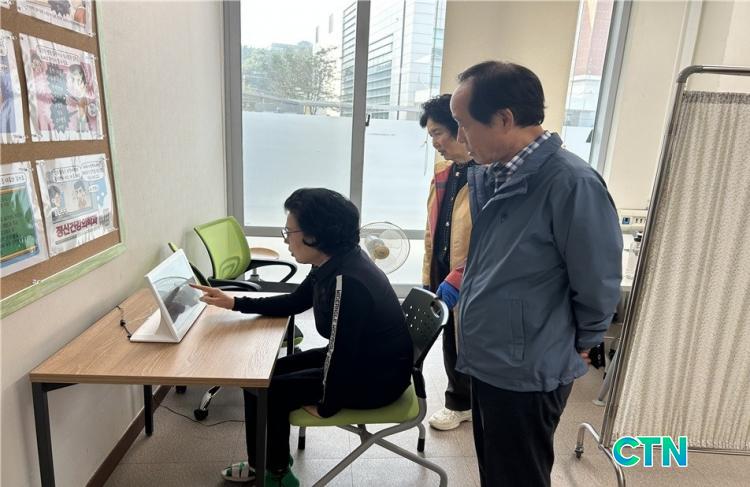
사진=광주광역시청 제공
[광주/CTN]최영준 기자= 손두영 광주시 인공지능산업실장은 "도심 전체를 실증현장으로 활용해 기업에는 기술 상용화의 기회를, 시민에게는 혁신 기술 체험의 기회를 제공할 것"이라며, 시민들이 체감할 수 있는 인공지능(AI) 문화를 확산시켜 내일이 빛나는 기회도시 광주를 만들어 가겠다고 포부를 밝혔다. 광주광역시는 지역 전역을 혁신 기술의 실험 무대로 제공하는 '모두의 AI, 실증도시 광주' 프로젝트를 본격화하고, 5개 자치구에 걸친 총 3,375개소의 실증 장소를 상시 개방한다고 선언했다.
이번 프로젝트는 기업실증원스톱지원센터 누리집을 통해 혁신 기술을 보유한 기업이라면 누구나 신청할 수 있도록 문턱을 낮췄다. 현재 광주에서는 디지털 치매 예방을 위한 '뇌건강놀이터'부터 보이스피싱 예방 시스템, 자전거도로 AI 안전관리 등 시민 실생활과 밀착된 다양한 분야의 기술 검증이 동시다발적으로 이뤄지고 있다. 시는 향후 광주·전남 통합 시점을 겨냥해 초광역 단위의 통합관리시스템 구축까지 모색하며, 실증 이후의 판로 개척과 사후 관리까지 책임지겠다는 장밋빛 청사진을 제시했다.
지자체가 공공 인프라를 전방위로 개방해 첨단 산업의 생태계를 조성하려는 시도는 중소벤처기업부가 '온라인 수출 3억 달러'라는 역대 최고 실적을 내기까지 내수 기업들의 글로벌 플랫폼 입점을 전폭 지원했던 것과 궤를 같이하는 진취적인 행정이다. 인천광역시가 군·구 단위까지 예산을 쪼개며 '청소년참여위원회'를 가동해 거버넌스의 영토를 확장했듯, 광주시 역시 도심 공간 전체를 기업들의 연구개발(R&D) 기지로 내주며 첨단 기술 도시로서의 브랜드 선점에 나선 셈이다.
그러나 '3,375개소 상시 접수'라는 거창한 수사 이면에는 정작 알맹이가 빠진 '공간 과잉'의 모순이 엿보인다. 대구광역시가 단 50명의 청년만을 선발해 '우수기업 탐방'이라는 소그룹 밀착형 내실을 기했던 것과 비교하면, 광주시의 이번 발표는 일단 장소부터 무더기로 열어놓고 보자는 공급자 중심의 '실적 전시 행정'에 가깝다. 기업들이 정작 필요로 하는 것은 단순한 '장소 제공'이 아니라 실증에 수반되는 '예산 지원'과 '규제 완화'임에도, 이번 대책은 공간 대여업 수준의 생색내기에 머물러 있어 실제 기업들의 자발적 참여를 얼마나 이끌어낼지는 미지수다.
도심 전체를 AI 실험실로 만드는 과정에서 시민들이 겪을 개인정보 침해 우려나 기기 오작동으로 인한 불편에 대한 대책이 전무하다는 점도 심각한 허점이다. 광주시는 기업들의 기술 상용화와 '빛나는 기회도시'라는 구호에만 취해 있을 게 아니라, 시민들이 인공지능 기술의 '실험 대상'으로 전락하지 않도록 철저한 '가이드라인 가림막'을 먼저 세워야 한다. 진정한 실증도시의 완성은 단순히 3천 개가 넘는 주차장과 행정복지센터를 오픈하는 호기로움이 아니라, 참여 기업들이 광주에 완전히 뿌리내릴 수 있도록 돕는 실질적인 '재정적 인센티브'와 시민의 안전을 담보하는 세밀한 대안이 결합할 때 비로소 증명될 것이다.
#광주광역시 #강기정시장 #실증도시광주 #인공지능산업 #기업실증원스톱지원센터 #뇌건강놀이터 #스마트쉘터 #지방자치시대 #AI혁신기술 #초광역통합 #적극행정인가공간대여인가 #기술상용화 #개인정보보호 #4차산업혁명 #광주뉴스 #기업지원정책 #시민체감형AI #미래도시 #행정혁신 #시사비평 #CTN
[영문번역 기사-AI활용]
Son Du-young, Director of the Artificial Intelligence Industry Bureau of Gwangju City, expressed his ambition, "By utilizing the entire city as a verification site, we will provide companies with opportunities for technology commercialization and citizens with opportunities to experience innovative technologies," adding that the city will foster an artificial intelligence (AI) culture that citizens can truly experience to create Gwangju, an opportunity city where tomorrow shines. Gwangju Metropolitan City announced that it is fully launching the 'All-inclusive AI, Verification City Gwangju' project, turning the entire region into an experimental stage for innovative technologies, and opening a total of 3,375 verification sites across five autonomous districts for constant application.
This project lowered the barrier so that any company with innovative technology can apply through the website of the Enterprise Verification One-Stop Support Center. Currently, in Gwangju, technology verifications in various fields closely linked to citizens' daily lives—such as the 'Brain Health Playground' for digital dementia prevention, voice phishing prevention systems, and AI safety management for bicycle paths—are taking place simultaneously. Aiming for the timeline of the Gwangju-Jeonnam integration, the city presented a rosy blueprint to seek the establishment of an integrated management system on a mega-regional scale, and to take responsibility for post-verification market path creation and follow-up management.
The local government's attempt to create an ecosystem for cutting-edge industries by fully opening public infrastructure is a progressive administration, much like the Ministry of SMEs and Startups comprehensively supporting domestic companies' entry into global platforms to drive the historical milestone of breaking '300 million dollars in online exports.' Just as Incheon Metropolitan City expanded the territory of governance by dividing budgets down to the Gun and Gu levels to operate the 'Youth Participation Committee,' Gyeonggi Province also secured a brand preemption as a cutting-edge tech city by yielding its entire urban space as an R&D base for corporations.
However, behind the grand rhetoric of 'constant application at 3,375 sites,' a contradiction of 'space surplus' lacking actual substance is subtly visible. Compared to Daegu Metropolitan City, which pursued practical internal substance by selecting only 50 youths for an 'Excellent Enterprise Tour' in a small-group tailored format, Gwangju City's announcement is closer to a supplier-centric 'exhibition administration' that opens up places in bulk first. What companies truly need is not mere 'space provision' but 'budgetary support' and 'deregulation' accompanying the verification; nevertheless, this countermeasure stops at a level of showing off akin to a space rental business, making it uncertain how much voluntary participation from companies it will actually induce.
The absolute lack of countermeasures regarding potential personal information infringement or inconveniences caused by device malfunctions that citizens might experience while turning the entire city into an AI laboratory is also a critical flaw. Gwangju City must not be intoxicated merely by the slogan of corporate technology commercialization and a 'shining opportunity city,' but must first establish a thorough 'guideline shield' so that citizens do not degenerate into 'experimental subjects' for AI technologies. The true completion of a verification city is demonstrated not by the sheer bravado of opening over 3,000 parking lots and administrative welfare centers, but only when tangible 'financial incentives' that help participating companies firmly take root in Gwangju are integrated with meticulous alternatives ensuring citizens' safety.
이번 프로젝트는 기업실증원스톱지원센터 누리집을 통해 혁신 기술을 보유한 기업이라면 누구나 신청할 수 있도록 문턱을 낮췄다. 현재 광주에서는 디지털 치매 예방을 위한 '뇌건강놀이터'부터 보이스피싱 예방 시스템, 자전거도로 AI 안전관리 등 시민 실생활과 밀착된 다양한 분야의 기술 검증이 동시다발적으로 이뤄지고 있다. 시는 향후 광주·전남 통합 시점을 겨냥해 초광역 단위의 통합관리시스템 구축까지 모색하며, 실증 이후의 판로 개척과 사후 관리까지 책임지겠다는 장밋빛 청사진을 제시했다.
지자체가 공공 인프라를 전방위로 개방해 첨단 산업의 생태계를 조성하려는 시도는 중소벤처기업부가 '온라인 수출 3억 달러'라는 역대 최고 실적을 내기까지 내수 기업들의 글로벌 플랫폼 입점을 전폭 지원했던 것과 궤를 같이하는 진취적인 행정이다. 인천광역시가 군·구 단위까지 예산을 쪼개며 '청소년참여위원회'를 가동해 거버넌스의 영토를 확장했듯, 광주시 역시 도심 공간 전체를 기업들의 연구개발(R&D) 기지로 내주며 첨단 기술 도시로서의 브랜드 선점에 나선 셈이다.
그러나 '3,375개소 상시 접수'라는 거창한 수사 이면에는 정작 알맹이가 빠진 '공간 과잉'의 모순이 엿보인다. 대구광역시가 단 50명의 청년만을 선발해 '우수기업 탐방'이라는 소그룹 밀착형 내실을 기했던 것과 비교하면, 광주시의 이번 발표는 일단 장소부터 무더기로 열어놓고 보자는 공급자 중심의 '실적 전시 행정'에 가깝다. 기업들이 정작 필요로 하는 것은 단순한 '장소 제공'이 아니라 실증에 수반되는 '예산 지원'과 '규제 완화'임에도, 이번 대책은 공간 대여업 수준의 생색내기에 머물러 있어 실제 기업들의 자발적 참여를 얼마나 이끌어낼지는 미지수다.
도심 전체를 AI 실험실로 만드는 과정에서 시민들이 겪을 개인정보 침해 우려나 기기 오작동으로 인한 불편에 대한 대책이 전무하다는 점도 심각한 허점이다. 광주시는 기업들의 기술 상용화와 '빛나는 기회도시'라는 구호에만 취해 있을 게 아니라, 시민들이 인공지능 기술의 '실험 대상'으로 전락하지 않도록 철저한 '가이드라인 가림막'을 먼저 세워야 한다. 진정한 실증도시의 완성은 단순히 3천 개가 넘는 주차장과 행정복지센터를 오픈하는 호기로움이 아니라, 참여 기업들이 광주에 완전히 뿌리내릴 수 있도록 돕는 실질적인 '재정적 인센티브'와 시민의 안전을 담보하는 세밀한 대안이 결합할 때 비로소 증명될 것이다.
#광주광역시 #강기정시장 #실증도시광주 #인공지능산업 #기업실증원스톱지원센터 #뇌건강놀이터 #스마트쉘터 #지방자치시대 #AI혁신기술 #초광역통합 #적극행정인가공간대여인가 #기술상용화 #개인정보보호 #4차산업혁명 #광주뉴스 #기업지원정책 #시민체감형AI #미래도시 #행정혁신 #시사비평 #CTN
[영문번역 기사-AI활용]
Son Du-young, Director of the Artificial Intelligence Industry Bureau of Gwangju City, expressed his ambition, "By utilizing the entire city as a verification site, we will provide companies with opportunities for technology commercialization and citizens with opportunities to experience innovative technologies," adding that the city will foster an artificial intelligence (AI) culture that citizens can truly experience to create Gwangju, an opportunity city where tomorrow shines. Gwangju Metropolitan City announced that it is fully launching the 'All-inclusive AI, Verification City Gwangju' project, turning the entire region into an experimental stage for innovative technologies, and opening a total of 3,375 verification sites across five autonomous districts for constant application.
This project lowered the barrier so that any company with innovative technology can apply through the website of the Enterprise Verification One-Stop Support Center. Currently, in Gwangju, technology verifications in various fields closely linked to citizens' daily lives—such as the 'Brain Health Playground' for digital dementia prevention, voice phishing prevention systems, and AI safety management for bicycle paths—are taking place simultaneously. Aiming for the timeline of the Gwangju-Jeonnam integration, the city presented a rosy blueprint to seek the establishment of an integrated management system on a mega-regional scale, and to take responsibility for post-verification market path creation and follow-up management.
The local government's attempt to create an ecosystem for cutting-edge industries by fully opening public infrastructure is a progressive administration, much like the Ministry of SMEs and Startups comprehensively supporting domestic companies' entry into global platforms to drive the historical milestone of breaking '300 million dollars in online exports.' Just as Incheon Metropolitan City expanded the territory of governance by dividing budgets down to the Gun and Gu levels to operate the 'Youth Participation Committee,' Gyeonggi Province also secured a brand preemption as a cutting-edge tech city by yielding its entire urban space as an R&D base for corporations.
However, behind the grand rhetoric of 'constant application at 3,375 sites,' a contradiction of 'space surplus' lacking actual substance is subtly visible. Compared to Daegu Metropolitan City, which pursued practical internal substance by selecting only 50 youths for an 'Excellent Enterprise Tour' in a small-group tailored format, Gwangju City's announcement is closer to a supplier-centric 'exhibition administration' that opens up places in bulk first. What companies truly need is not mere 'space provision' but 'budgetary support' and 'deregulation' accompanying the verification; nevertheless, this countermeasure stops at a level of showing off akin to a space rental business, making it uncertain how much voluntary participation from companies it will actually induce.
The absolute lack of countermeasures regarding potential personal information infringement or inconveniences caused by device malfunctions that citizens might experience while turning the entire city into an AI laboratory is also a critical flaw. Gwangju City must not be intoxicated merely by the slogan of corporate technology commercialization and a 'shining opportunity city,' but must first establish a thorough 'guideline shield' so that citizens do not degenerate into 'experimental subjects' for AI technologies. The true completion of a verification city is demonstrated not by the sheer bravado of opening over 3,000 parking lots and administrative welfare centers, but only when tangible 'financial incentives' that help participating companies firmly take root in Gwangju are integrated with meticulous alternatives ensuring citizens' safety.
 |
최영준 기자 gildongmoo2@hanmail.net
굴곡 없는 참시선으로 |
#GwangjuCity #MayorKangGijung #VerificationCityGwangju #AIIndustry #EnterpriseVerificationCenter #BrainHealthPlayground #SmartShelter #EraOfLocalAutonomy #AIInnovativeTech #MegaRegionalIntegration #ActiveAdministrationOrSpaceRental #TechCommercialization #PrivacyProtection #4thIndustrialRevolution #GwangjuNews #CorporateSupportPolicy #CitizenExperienceAI #FutureCity #AdministrativeInnovation #CurrentAffairsCritique #CTN