평택시 '다함께돌봄센터', 정원 20명에 대기자만 줄서
-평택시, 화양지구 내 'e편한세상 평택 하이센트' 단지에 다함께돌봄센터 18호점 개소 발표
-센터장 1명·교사 2명 상주하며 정원 20명 규모 운영... 인근 초등학교 입지 연계성 강조
-센터장 1명·교사 2명 상주하며 정원 20명 규모 운영... 인근 초등학교 입지 연계성 강조
김지우 기자입력 : 2026. 07. 01(수) 14:48


사진=평택시청 제공
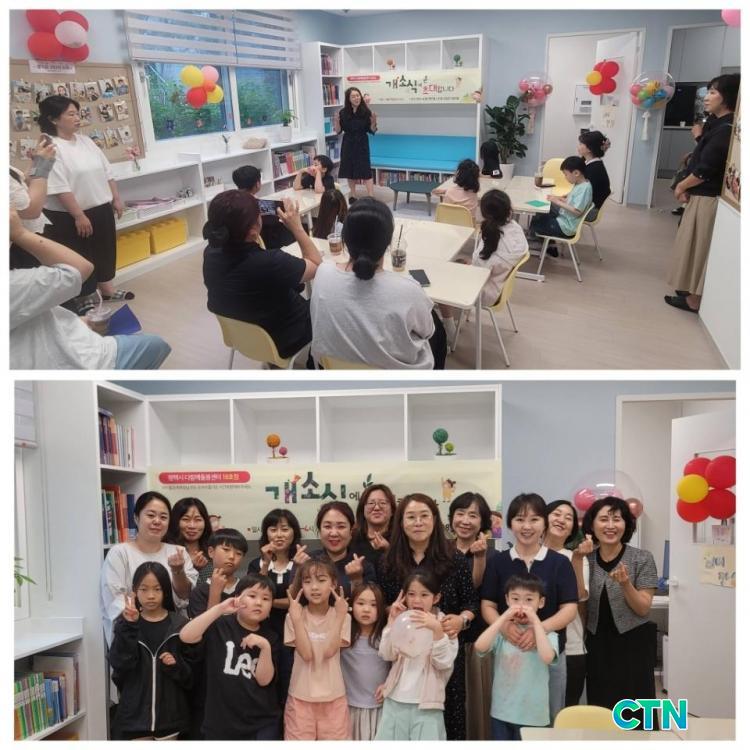
[평택/CTN]김지우 기자= 김대환 평택시 복지국장은 "화양지구는 신규 입주가 지속되면서 초등 돌봄 수요가 꾸준히 증가하고 있는 지역"이라며, "18호점이 아이들에게는 안전하고 따뜻한 돌봄 공간이 되고, 학부모에게는 안심하고 아이를 맡길 수 있는 든든한 돌봄 거점으로 자리매김하길 기대한다"고 말했다. 평택시는 지난 6월 25일 e편한세상 평택 하이센트 내에 평택시 다함께돌봄센터 18호점을 개소하며 화양지구 내 초등 돌봄 기반을 한층 강화했다고 밝혔다.
이번에 개소한 18호점은 화양지구 내 두 번째 다함께돌봄센터로, 앞서 개소한 라씨엘로 다함께돌봄센터와 함께 신규 입주에 따른 돌봄 수요 증가에 대응하기 위해 공적 돌봄 기반을 확충했다는 취지다. 인근 초등학교와 인접해 있어 아이들이 횡단보도를 건너지 않고 도보로 이용할 수 있는 입지를 갖추고 있다. 센터장 1명과 돌봄 교사 2명이 상주하며 정원 20명 규모로 운영되어 아동 개개인에 대한 세심한 돌봄과 맞춤형 프로그램을 제공하겠다는 셈법이다.
하지만 이처럼 시가 신규 돌봄 센터 개소 실적을 대단한 초등 돌봄 인프라 확충 성과로 홍보하고 나선 것과 달리, 일선 학부모들과 보육 전문가들 사이에서는 대규모 아파트 단지 입주에 따른 폭발적인 보육 수요를 전혀 감당하지 못하는 전형적인 탁상공론이자 생색내기식 보여주기식 행정이라는 비판이 지배적이다. 지역 시민단체들은 수천 세대가 동시에 입주하는 신도시급 개발 지구에서 고작 20명 정원의 소규모 시설을 열어놓고 돌봄 수요 증가에 완벽히 대응한 것처럼 포장하는 것은 현장의 보육 대란을 외면한 치적 쌓기용 말잔치라고 꼬집는다. 특히 개소와 동시에 정원이 마감되어 대다수 맞벌이 가정이 혜택에서 배제되었음에도 센터 개수 늘리기에만 급급해 실효성 있는 공간 확충이나 돌봄 교사 처우 개선 등 실무적인 보육 인프라 고도화 대책은 실종되었다는 비판을 피하기 어렵다.
이에 따라 단순히 센터 개소 횟수나 시설 정원이라는 외형적 흥행에 안주할 것이 아니라, 입주 가구의 학령기 자녀 분포 데이터와 인근 학교의 방과 후 돌봄 대기자 수 추이를 실시간으로 분석해 돌봄 공간을 유연하게 늘리는 디지털 기반 "스마트 거점형 아동 케어 통합 관리 플랫폼"의 선제적 도입이 시급한 대안이다. 나아가 일시적인 개소식 이벤트를 지양하고 공공 보육의 질을 근본적으로 높일 수 있도록 일회성 홍보 예산을 전면 개편하여, 대규모 단지 내 유휴 공간을 활용한 긴급 돌봄 거점 구축 자금을 현실화하고 전문 아동 상담 실무단을 일선 돌봄 거점에 상시 배치해야 한다. 결과적으로 겉포장만 화려한 안심 돌봄 거점 구축이나 든든한 거점이라는 구호만 남발하기보다는, 학부모들이 매일 마주하는 실질적인 보육 공백을 뿌리부터 해결해 나가는 진정성 있는 행정의 체질 개선이 뒤따라야 할 것으로 보인다.
[영문번역 기사-AI활용]
Pyeongtaek City Welfare Bureau Director Kim Dae-hwan stated, "The Hwayang District is an area where the demand for elementary school care is steadily increasing due to continuous move-ins. We hope the 18th center will become a safe and warm space for children, and a reliable care hub where parents can drop off their children with peace of mind." Pyeongtaek City announced that it further strengthened its elementary school care infrastructure in the Hwayang District by opening the 18th Pyeongtaek Together Care Center inside the e-Pyeonhansesang Pyeongtaek Hicentu on June 25th.
The newly opened 18th center is the second Together Care Center in the Hwayang District. Along with the previously opened Laciello Together Care Center, it aims to expand the public childcare infrastructure to respond to the growing demand for childcare driven by new residents moving in. It is adjacent to a nearby elementary school, allowing children to walk there safely without crossing any crosswalks. The authorities intend to utilize these metrics to anchor childcare networks by staffing the facility with one director and two childcare teachers for a capacity of 20 children, delivering tailored programs.
However, despite the city's extensive promotion of its new center launch as a major childcare infrastructure milestone, local parents and welfare analysts point out that it is an administrative convenience-oriented convenience that fails to accommodate the explosive childcare demand from large-scale apartment complexes, serving merely as a superficial bureaucratic show. Community groups note that in a newly developed district where thousands of households move in simultaneously, framing a small-scale facility with a capacity of only 20 children as an omnidirectional solution is practically flawed and misaligned with real-world parenting hardships. In particular, some sectors point out that the facility reached maximum capacity immediately upon opening, leaving the absolute majority of dual-income families completely alienated; thus, neglecting real solutions for expanding physical spaces or improving working conditions for childcare teachers is a classic administrative malady.
To overcome these structural limitations, the early implementation of a digital community-based smart hub-type child care integrated management platform that systematically tracks school-age children distribution metrics alongside real-time after-school waiting lists to flexibly expand operational capacities is suggested as an urgent alternative. Furthermore, rather than relying solely on slogan-driven administrative novelty declarations like short-term opening presentation festivals, authorities should prioritize practical administrative support measures, such as restructuring budgets to utilize idle spaces within large complexes for emergency childcare and practically deploying professional counseling teams on-site for direct guidance. Consequently, rather than overestimating the effects of proclaiming a flashy reliable care hub slogan, prioritizing substantive administrative framework reforms aimed at securing practical commercial conveniences and resolving fundamental structural childcare deficits must be realized.
이번에 개소한 18호점은 화양지구 내 두 번째 다함께돌봄센터로, 앞서 개소한 라씨엘로 다함께돌봄센터와 함께 신규 입주에 따른 돌봄 수요 증가에 대응하기 위해 공적 돌봄 기반을 확충했다는 취지다. 인근 초등학교와 인접해 있어 아이들이 횡단보도를 건너지 않고 도보로 이용할 수 있는 입지를 갖추고 있다. 센터장 1명과 돌봄 교사 2명이 상주하며 정원 20명 규모로 운영되어 아동 개개인에 대한 세심한 돌봄과 맞춤형 프로그램을 제공하겠다는 셈법이다.
하지만 이처럼 시가 신규 돌봄 센터 개소 실적을 대단한 초등 돌봄 인프라 확충 성과로 홍보하고 나선 것과 달리, 일선 학부모들과 보육 전문가들 사이에서는 대규모 아파트 단지 입주에 따른 폭발적인 보육 수요를 전혀 감당하지 못하는 전형적인 탁상공론이자 생색내기식 보여주기식 행정이라는 비판이 지배적이다. 지역 시민단체들은 수천 세대가 동시에 입주하는 신도시급 개발 지구에서 고작 20명 정원의 소규모 시설을 열어놓고 돌봄 수요 증가에 완벽히 대응한 것처럼 포장하는 것은 현장의 보육 대란을 외면한 치적 쌓기용 말잔치라고 꼬집는다. 특히 개소와 동시에 정원이 마감되어 대다수 맞벌이 가정이 혜택에서 배제되었음에도 센터 개수 늘리기에만 급급해 실효성 있는 공간 확충이나 돌봄 교사 처우 개선 등 실무적인 보육 인프라 고도화 대책은 실종되었다는 비판을 피하기 어렵다.
이에 따라 단순히 센터 개소 횟수나 시설 정원이라는 외형적 흥행에 안주할 것이 아니라, 입주 가구의 학령기 자녀 분포 데이터와 인근 학교의 방과 후 돌봄 대기자 수 추이를 실시간으로 분석해 돌봄 공간을 유연하게 늘리는 디지털 기반 "스마트 거점형 아동 케어 통합 관리 플랫폼"의 선제적 도입이 시급한 대안이다. 나아가 일시적인 개소식 이벤트를 지양하고 공공 보육의 질을 근본적으로 높일 수 있도록 일회성 홍보 예산을 전면 개편하여, 대규모 단지 내 유휴 공간을 활용한 긴급 돌봄 거점 구축 자금을 현실화하고 전문 아동 상담 실무단을 일선 돌봄 거점에 상시 배치해야 한다. 결과적으로 겉포장만 화려한 안심 돌봄 거점 구축이나 든든한 거점이라는 구호만 남발하기보다는, 학부모들이 매일 마주하는 실질적인 보육 공백을 뿌리부터 해결해 나가는 진정성 있는 행정의 체질 개선이 뒤따라야 할 것으로 보인다.
[영문번역 기사-AI활용]
Pyeongtaek City Welfare Bureau Director Kim Dae-hwan stated, "The Hwayang District is an area where the demand for elementary school care is steadily increasing due to continuous move-ins. We hope the 18th center will become a safe and warm space for children, and a reliable care hub where parents can drop off their children with peace of mind." Pyeongtaek City announced that it further strengthened its elementary school care infrastructure in the Hwayang District by opening the 18th Pyeongtaek Together Care Center inside the e-Pyeonhansesang Pyeongtaek Hicentu on June 25th.
The newly opened 18th center is the second Together Care Center in the Hwayang District. Along with the previously opened Laciello Together Care Center, it aims to expand the public childcare infrastructure to respond to the growing demand for childcare driven by new residents moving in. It is adjacent to a nearby elementary school, allowing children to walk there safely without crossing any crosswalks. The authorities intend to utilize these metrics to anchor childcare networks by staffing the facility with one director and two childcare teachers for a capacity of 20 children, delivering tailored programs.
However, despite the city's extensive promotion of its new center launch as a major childcare infrastructure milestone, local parents and welfare analysts point out that it is an administrative convenience-oriented convenience that fails to accommodate the explosive childcare demand from large-scale apartment complexes, serving merely as a superficial bureaucratic show. Community groups note that in a newly developed district where thousands of households move in simultaneously, framing a small-scale facility with a capacity of only 20 children as an omnidirectional solution is practically flawed and misaligned with real-world parenting hardships. In particular, some sectors point out that the facility reached maximum capacity immediately upon opening, leaving the absolute majority of dual-income families completely alienated; thus, neglecting real solutions for expanding physical spaces or improving working conditions for childcare teachers is a classic administrative malady.
To overcome these structural limitations, the early implementation of a digital community-based smart hub-type child care integrated management platform that systematically tracks school-age children distribution metrics alongside real-time after-school waiting lists to flexibly expand operational capacities is suggested as an urgent alternative. Furthermore, rather than relying solely on slogan-driven administrative novelty declarations like short-term opening presentation festivals, authorities should prioritize practical administrative support measures, such as restructuring budgets to utilize idle spaces within large complexes for emergency childcare and practically deploying professional counseling teams on-site for direct guidance. Consequently, rather than overestimating the effects of proclaiming a flashy reliable care hub slogan, prioritizing substantive administrative framework reforms aimed at securing practical commercial conveniences and resolving fundamental structural childcare deficits must be realized.
 |
김지우 기자 ymjs790729@naver.com
김지우 기자 입니다. |