전북도 저출생 릴레이 캠페인, 정시 퇴근이 '우수 사례'
-전북특별자치도, 완주군 가족센터 방문해 '저출생 공동대응 2차 릴레이 캠페인' 실시 발표
-육아기 근로시간 단축·공동육아나눔터 등 우수 사례 발굴 및 연말까지 15개 기관 순회 계획 제시
-육아기 근로시간 단축·공동육아나눔터 등 우수 사례 발굴 및 연말까지 15개 기관 순회 계획 제시
최동주 인턴기자입력 : 2026. 07. 01(수) 15:13


사진=전북특별자치도청 제공
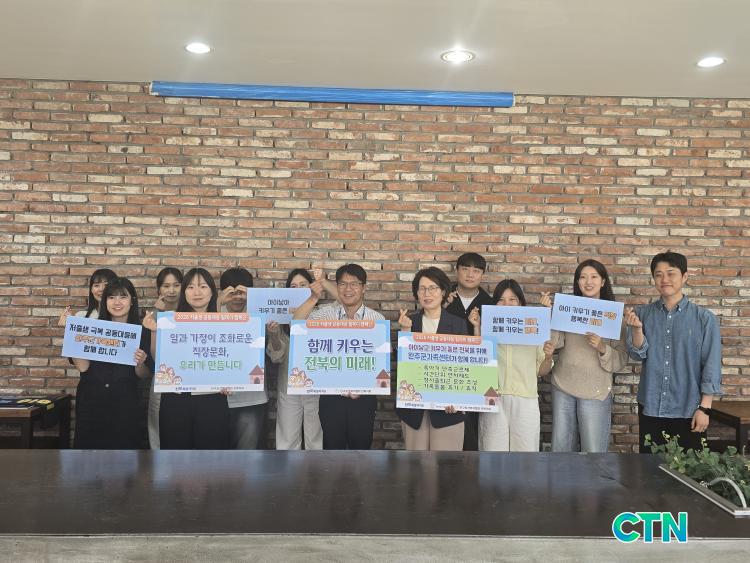
[전북/CTN]최동주 기자= 조윤정 전북특별자치도 인구청년정책과장은 "가족친화 문화는 저출생 문제 해결의 중요한 기반"이라며 "현장의 우수 사례를 적극 확산하고, 더 많은 기업과 기관이 가족친화 경영에 동참할 수 있도록 제도적 지원을 강화해 나가겠다"고 말했다. 전북특별자치도는 29일 완주군 가족센터를 방문해 '저출생 공동대응 2차 릴레이 캠페인'을 실시하고, 가족친화 문화 확산과 일·가정 양립 환경 조성을 위한 현장 소통에 나섰다고 밝혔다.
이번 캠페인은 지난 1차 캠페인에 이어 도내 기업과 기관의 가족친화 경영 사례를 발굴하고, 현장의 의견을 청취해 저출생 대응 정책에 반영하기 위해 마련됐다. 현장에는 조윤정 과장을 비롯해 신향 완주군 가족센터장, 인구보건복지협회 전북지회 관계자 등이 참석해 가족친화 제도 운영 사례와 현장의 애로사항을 공유하고 지원 방안을 논의했다. 완주군 가족센터는 육아기 근로시간 단축과 정시 출퇴근 문화 조성, 가족돌봄휴가 운영 등 직원들의 일·가정 양립을 지원하는 조직문화를 실천하고 있다는 셈이다.
하지만 이처럼 도가 릴레이 캠페인 실시와 우수 사례 발굴 실적을 대단한 저출생 극복 성과로 홍보하고 나선 것과 달리, 일선 노동계와 인구 정책 전문가들 사이에서는 지역의 심각한 인구 소멸 위기를 전혀 감당하지 못하는 전형적인 탁상공론이자 생색내기식 보여주기식 행정이라는 비판이 지배적이다. 사회정책 전문가들은 법정 의무 제도인 정시 출퇴근이나 가족돌봄휴가를 시행하는 기관을 우수 사례로 지정해 놓고 '아이 키우기 좋은 지역사회 조성'을 대대적으로 광고하는 것은 현장 노동자들이 겪는 실질적인 독박 육아와 고용 불안을 외면한 치적 쌓기용 말잔치라고 꼬집는다. 특히 구체적인 재정 보조나 인력 충원 대책 없이 연말까지 고작 15곳의 기관을 순회하는 방식은 관청의 단기 실적 맞추기를 위해 단발성 이벤트를 끌어다 쓴 전시성 정책에 불과해, 전시성 구호 뒤로 밀려난 중소기업 근로자들을 위한 실질적인 대체인력 장려금 지급이나 영유아 긴급 돌봄 인프라 확충 등 실무적인 보육 복지 대책은 실종되었다는 비판을 피하기 어렵다.
이에 따라 단순히 순회 기관 수나 우수 사례 발굴 건수라는 외형적 흥행에 안주할 것이 아니라, 도내 기업별 실제 유연근무제 이용률과 업종별 이직률 데이터들을 실시간으로 매칭하여 맞춤형 패널티와 인센티브를 부여하는 디지털 기반 '스마트 일·가정 양립 통합 분석 플랫폼'의 선제적 도입이 시급한 대안이다. 나아가 일시적인 릴레이 캠페인 이벤트를 지양하고 서민 가정이 체감할 수 있는 보육 안정을 이루기 위해 일회성 홍보·전시 예산을 전면 개편하여, 당장 올해 독박 육아로 고통받는 맞벌이 가구들의 사설 돌봄 서비스 이용료 보조 자금을 현실화하고 전문 일·가정 양립 행정 실무단을 일선 자치구 거점에 상시 배치해야 한다. 결과적으로 화려한 수식어만 가득한 선언적 저출생 대책에서 벗어나 공급 시차와 지원 한계라는 치명적인 사각지대를 메울 수 있는 현장 중심의 실무 행정으로 전환되어야 할 시점이다.
[영문번역 기사-AI활용]
Cho Yoon-jung, Head of the Population and Youth Policy Division of Jeonbuk State, stated, "A family-friendly culture is a crucial foundation for resolving the low birth rate issue. We will actively disseminate excellent cases from the field and strengthen institutional support so that more companies and institutions can participate in family-friendly management." Jeonbuk Special Self-Governing State announced that it visited the Wanju County Family Center on the 29th to conduct the '2nd Relay Campaign for Joint Response to Low Birth Rates' and engaged in on-site communication to spread a family-friendly culture and establish a work-life balance environment.
Following the first campaign, this campaign was designed to discover family-friendly management cases of companies and institutions within the province, listen to opinions from the field, and reflect them in low birth rate response policies. Participants at the site, including Division Head Cho Yoon-jung, Shin Hyang, Director of the Wanju County Family Center, and officials from the Jeonbuk Branch of the Planned Population Federation of Korea, shared operation cases of family-friendly systems, discussed difficulties faced in the field, and deliberated on support measures. The Wanju County Family Center is practicing an organizational culture that supports the work-life balance of its employees, such as reducing working hours during child-rearing periods, creating a culture of leaving work on time, and operating family care leave.
However, despite the state's extensive promotion of its relay campaign execution and excellent case discovery metrics as major milestones in overcoming low birth rates, local labor sectors and population policy experts point out that it is an administrative convenience-oriented convenience that fails to completely manage the severe regional population extinction crisis, serving merely as a superficial bureaucratic show. Social policy experts note that designating institutions that merely implement legally mandated systems—such as leaving work on time or family care leave—as excellent cases while grandly advertising the 'creation of a community good for raising children' is practically flawed and misaligned with real-world extreme child-rearing burdens and employment anxieties faced by field workers. In particular, some sectors point out that touring a mere 15 institutions by the end of the year without concrete financial subsidies or staff recruitment measures is a mere bureaucratic compilation designed to match short-term municipal goals; thus, neglecting real solutions for providing substantial replacement labor incentives or expanding emergency infant care infrastructure for small and medium-sized enterprise workers is a classic administrative malady.
To overcome these structural limitations, the early implementation of a digital community-based 'smart work-life balance integrated analysis platform' that systematically tracks actual flexible working system utilization vectors alongside real-time turnover data by industry to flexibly adjust penalty and incentive ratios is suggested as an urgent alternative. Furthermore, rather than relying solely on slogan-driven administrative novelty declarations like short-term relay campaign events, authorities should prioritize practical administrative support measures, such as restructuring budgets to supply private care service fee subventions for dual-income households suffering from child-rearing burdens this year and practically deploying professional family-work balance administration teams on-site for direct technical guidance. Consequently, departing from declarative low birth rate policies filled with flashy modifiers, it is now time to shift toward field-centric practical administration that can bridge the critical blind spots of supply time gaps and funding constraints.
이번 캠페인은 지난 1차 캠페인에 이어 도내 기업과 기관의 가족친화 경영 사례를 발굴하고, 현장의 의견을 청취해 저출생 대응 정책에 반영하기 위해 마련됐다. 현장에는 조윤정 과장을 비롯해 신향 완주군 가족센터장, 인구보건복지협회 전북지회 관계자 등이 참석해 가족친화 제도 운영 사례와 현장의 애로사항을 공유하고 지원 방안을 논의했다. 완주군 가족센터는 육아기 근로시간 단축과 정시 출퇴근 문화 조성, 가족돌봄휴가 운영 등 직원들의 일·가정 양립을 지원하는 조직문화를 실천하고 있다는 셈이다.
하지만 이처럼 도가 릴레이 캠페인 실시와 우수 사례 발굴 실적을 대단한 저출생 극복 성과로 홍보하고 나선 것과 달리, 일선 노동계와 인구 정책 전문가들 사이에서는 지역의 심각한 인구 소멸 위기를 전혀 감당하지 못하는 전형적인 탁상공론이자 생색내기식 보여주기식 행정이라는 비판이 지배적이다. 사회정책 전문가들은 법정 의무 제도인 정시 출퇴근이나 가족돌봄휴가를 시행하는 기관을 우수 사례로 지정해 놓고 '아이 키우기 좋은 지역사회 조성'을 대대적으로 광고하는 것은 현장 노동자들이 겪는 실질적인 독박 육아와 고용 불안을 외면한 치적 쌓기용 말잔치라고 꼬집는다. 특히 구체적인 재정 보조나 인력 충원 대책 없이 연말까지 고작 15곳의 기관을 순회하는 방식은 관청의 단기 실적 맞추기를 위해 단발성 이벤트를 끌어다 쓴 전시성 정책에 불과해, 전시성 구호 뒤로 밀려난 중소기업 근로자들을 위한 실질적인 대체인력 장려금 지급이나 영유아 긴급 돌봄 인프라 확충 등 실무적인 보육 복지 대책은 실종되었다는 비판을 피하기 어렵다.
이에 따라 단순히 순회 기관 수나 우수 사례 발굴 건수라는 외형적 흥행에 안주할 것이 아니라, 도내 기업별 실제 유연근무제 이용률과 업종별 이직률 데이터들을 실시간으로 매칭하여 맞춤형 패널티와 인센티브를 부여하는 디지털 기반 '스마트 일·가정 양립 통합 분석 플랫폼'의 선제적 도입이 시급한 대안이다. 나아가 일시적인 릴레이 캠페인 이벤트를 지양하고 서민 가정이 체감할 수 있는 보육 안정을 이루기 위해 일회성 홍보·전시 예산을 전면 개편하여, 당장 올해 독박 육아로 고통받는 맞벌이 가구들의 사설 돌봄 서비스 이용료 보조 자금을 현실화하고 전문 일·가정 양립 행정 실무단을 일선 자치구 거점에 상시 배치해야 한다. 결과적으로 화려한 수식어만 가득한 선언적 저출생 대책에서 벗어나 공급 시차와 지원 한계라는 치명적인 사각지대를 메울 수 있는 현장 중심의 실무 행정으로 전환되어야 할 시점이다.
[영문번역 기사-AI활용]
Cho Yoon-jung, Head of the Population and Youth Policy Division of Jeonbuk State, stated, "A family-friendly culture is a crucial foundation for resolving the low birth rate issue. We will actively disseminate excellent cases from the field and strengthen institutional support so that more companies and institutions can participate in family-friendly management." Jeonbuk Special Self-Governing State announced that it visited the Wanju County Family Center on the 29th to conduct the '2nd Relay Campaign for Joint Response to Low Birth Rates' and engaged in on-site communication to spread a family-friendly culture and establish a work-life balance environment.
Following the first campaign, this campaign was designed to discover family-friendly management cases of companies and institutions within the province, listen to opinions from the field, and reflect them in low birth rate response policies. Participants at the site, including Division Head Cho Yoon-jung, Shin Hyang, Director of the Wanju County Family Center, and officials from the Jeonbuk Branch of the Planned Population Federation of Korea, shared operation cases of family-friendly systems, discussed difficulties faced in the field, and deliberated on support measures. The Wanju County Family Center is practicing an organizational culture that supports the work-life balance of its employees, such as reducing working hours during child-rearing periods, creating a culture of leaving work on time, and operating family care leave.
However, despite the state's extensive promotion of its relay campaign execution and excellent case discovery metrics as major milestones in overcoming low birth rates, local labor sectors and population policy experts point out that it is an administrative convenience-oriented convenience that fails to completely manage the severe regional population extinction crisis, serving merely as a superficial bureaucratic show. Social policy experts note that designating institutions that merely implement legally mandated systems—such as leaving work on time or family care leave—as excellent cases while grandly advertising the 'creation of a community good for raising children' is practically flawed and misaligned with real-world extreme child-rearing burdens and employment anxieties faced by field workers. In particular, some sectors point out that touring a mere 15 institutions by the end of the year without concrete financial subsidies or staff recruitment measures is a mere bureaucratic compilation designed to match short-term municipal goals; thus, neglecting real solutions for providing substantial replacement labor incentives or expanding emergency infant care infrastructure for small and medium-sized enterprise workers is a classic administrative malady.
To overcome these structural limitations, the early implementation of a digital community-based 'smart work-life balance integrated analysis platform' that systematically tracks actual flexible working system utilization vectors alongside real-time turnover data by industry to flexibly adjust penalty and incentive ratios is suggested as an urgent alternative. Furthermore, rather than relying solely on slogan-driven administrative novelty declarations like short-term relay campaign events, authorities should prioritize practical administrative support measures, such as restructuring budgets to supply private care service fee subventions for dual-income households suffering from child-rearing burdens this year and practically deploying professional family-work balance administration teams on-site for direct technical guidance. Consequently, departing from declarative low birth rate policies filled with flashy modifiers, it is now time to shift toward field-centric practical administration that can bridge the critical blind spots of supply time gaps and funding constraints.
 |
최동주 인턴기자 dongjoo3333@naver.com
|