영천시 대창면, 하절기 본격 방역 돌입
-영천시 대창면, 이른 무더위 따른 해충 방지 및 감염병 예방 위해 8일부터 하절기 방역 개시
-축사 주변 등 차량 진입 지역은 방역차 활용, 하수구 등 취약 지역은 자율방역단 분무 소독 병행
-축사 주변 등 차량 진입 지역은 방역차 활용, 하수구 등 취약 지역은 자율방역단 분무 소독 병행
이수현 기자입력 : 2026. 06. 09(화) 17:54


사진=영천시청 제공
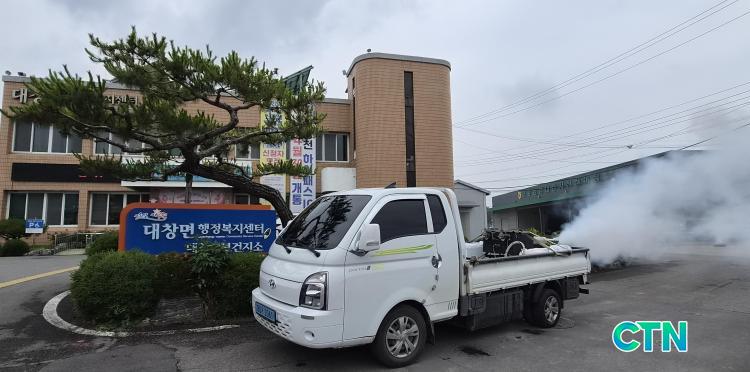
[영천/CTN]이수현 기자= 박상우 경상북도 영천시 대창면장은 "면민들이 쾌적하고 안전한 여름을 보낼 수 있도록, 마을별로 구석구석 빈틈없는 방역에 최선을 다하겠다"라고 말했다. 영천시 대창면은 이른 무더위로 인한 해충 발생과 여름철 감염병을 예방하고 쾌적한 주거 환경을 조성하기 위해 8일부터 본격적인 하절기 방역 작업에 돌입했다고 밝혔다. 대창면은 본격적인 방역에 앞서 지난 5일 방역 요원들을 대상으로 방역 요령, 운행 시 유의사항, 안전사고 예방 등에 대한 사전 교육을 마쳤다. 오는 9월 말까지 추진되는 이번 하절기 방역은 방역 차량을 활용해 관내 축사 주변, 주거밀집지역, 강변 등 광범위한 지역을 대상으로 사전 방역 활동을 전개하는 방식으로 진행된다. 아울러 차량 진입이 어려운 마을 내 좁은 골목이나 물웅덩이, 하수구 등 방역 사각지대는 마을별 자율방역단이 주요 유충 서식지를 중심으로 분무 소독을 실시하고 유충구제제를 살포할 계획이다.
특히 이번 방역에 도입된 친환경 연무방역은 과거 경유에 살충제를 섞어 태우던 연막방역과 달리, 물과 확산제를 희석해 분사하는 방식으로 연기가 잘 보이지 않는 것이 특징이다. 이는 대기오염 배출을 최소화해 환경오염과 인체 유해 요소를 줄이면서도 약품의 잔류성과 확산성이 뛰어나 방역 효과를 높인다는 점에서 고무적인 시도로 평가받는다. 그러나 일각에서는 연기가 나지 않는 연무방역의 특성상 일선 주민들이 방역 여부를 직관적으로 인지하기 어려워 감황 체감도가 떨어지거나, 정작 방역이 필요한 유충 서식지의 실시간 데이터 수집이 미비하다는 지적을 제기한다. 주민들이 체감하는 가시적 효과가 낮다 보니 방역 요청 민원은 계속되는 반면, 한정된 방역 인력이 넓은 면 지역을 순회하는 방식은 효율성이 떨어진다는 분석이다.
단순히 차량으로 관내를 순회하거나 자율방역단의 주기적인 분무 소독에만 의존하는 아날로그식 방역은 매년 반복되는 행정력 소모라는 한계가 뚜렷하다. 기후변화로 해충의 번식 속도가 빨라지는 상황에서는 방역 차량의 운행 횟수만 늘릴 것이 아니라, 모기 및 유충이 주로 발생하는 하수구와 물웅덩이에 IoT(사물인터넷) 기반의 해충 계측 센서를 설치해 해충 밀도를 실시간으로 파악하는 시스템이 요구된다. 센서 데이터가 일정 수준을 넘어서는 취약 지역에 자율방역단의 인프라를 집중 투입하는 '스마트 데이터 매칭 방역 체계'가 선행되어야 공공 재원과 인력 집행의 효율성을 극대화할 수 있다는 대안이 제시된다. 대창면은 이러한 기술적 보완책과 현장 제언을 수렴하여 방역이 취약 구역에 빈틈없이 도달할 수 있도록 모니터링을 고도화하고, 향후 주민 친화적인 감염병 안전망을 굳건히 대할 방침이다.
[영문번역 기사-AI활용]
Park Sang-woo, head of Daechang-myeon, Yeongcheon-si, Gyeongsangbuk-do, stated, "We will do our best to ensure thorough, corner-to-corner disinfection in each village so that residents can spend a comfortable and safe summer." Daechang-myeon in Yeongcheon-si announced that it has launched full-scale summer disinfection work from the 8th to prevent infectious diseases and create a clean residential environment amid concerns over pest outbreaks due to early sweltering heat. Prior to the operations, Daechang-myeon completed preliminary safety education on the 5th for disinfection personnel, covering operation methods, driving precautions, and accident prevention. The summer disinfection, which runs until the end of September, is carried out by utilizing disinfection vehicles to conduct preemptive activities targeting extensive areas such as around local livestock barns, densely populated residential zones, and riverside areas. In addition, blind spots inaccessible by vehicles, including narrow village alleys, puddles, and sewers, will be addressed by village-specific autonomous disinfection units through spray disinfection and the application of larvicides focusing on major larva habitats.
In particular, the eco-friendly fogging disinfection introduced this time differs from past smoke-producing methods that burned chemicals mixed with diesel; it dilutes pesticides with water and a dispersing agent, meaning the vapor is hardly visible. This is evaluated as an encouraging attempt in that it minimizes atmospheric emissions to reduce environmental pollution and human health hazards, while enhancing disinfection efficacy through superior residual properties and diffusibility. However, some critics point out that because of the nature of fogging disinfection where vapor is invisible, it is difficult for local residents to intuitively perceive whether disinfection has occurred, leading to a drop in perceived performance, and that real-time data collection on larva habitats requiring disinfection remains insufficient. While citizens' perception of the visible effect is low, resulting in continuous complaints requesting disinfection, the method of a limited disinfection workforce patrolling the wide myeon area shows low efficiency.
relying strictly on analog-style methods, such as vehicles circling the jurisdiction or periodic spraying by autonomous units, presents clear limitations as a repetitive drain on administrative power every year. In a situation where the reproduction speed of pests accelerates due to climate change, rather than merely increasing the frequency of disinfection vehicle operations, a system is required to track pest density in real time by installing IoT (Internet of Things) based pest counting sensors in sewers and puddles where mosquitoes and larvae mainly breed. Alternatives are being suggested that a 'smart data-matching disinfection framework' must precede, focusing the infrastructure of autonomous disinfection units on vulnerable spots where sensor data exceeds a certain threshold, to maximize the efficiency of public funds and labor deployment. Daechang-myeon plans to accept these technical supplementary measures and field suggestions to advance monitoring so that disinfection reaches vulnerable sections without gaps, and will smoothly solidify a resident-friendly infectious disease safety net in the future.
특히 이번 방역에 도입된 친환경 연무방역은 과거 경유에 살충제를 섞어 태우던 연막방역과 달리, 물과 확산제를 희석해 분사하는 방식으로 연기가 잘 보이지 않는 것이 특징이다. 이는 대기오염 배출을 최소화해 환경오염과 인체 유해 요소를 줄이면서도 약품의 잔류성과 확산성이 뛰어나 방역 효과를 높인다는 점에서 고무적인 시도로 평가받는다. 그러나 일각에서는 연기가 나지 않는 연무방역의 특성상 일선 주민들이 방역 여부를 직관적으로 인지하기 어려워 감황 체감도가 떨어지거나, 정작 방역이 필요한 유충 서식지의 실시간 데이터 수집이 미비하다는 지적을 제기한다. 주민들이 체감하는 가시적 효과가 낮다 보니 방역 요청 민원은 계속되는 반면, 한정된 방역 인력이 넓은 면 지역을 순회하는 방식은 효율성이 떨어진다는 분석이다.
단순히 차량으로 관내를 순회하거나 자율방역단의 주기적인 분무 소독에만 의존하는 아날로그식 방역은 매년 반복되는 행정력 소모라는 한계가 뚜렷하다. 기후변화로 해충의 번식 속도가 빨라지는 상황에서는 방역 차량의 운행 횟수만 늘릴 것이 아니라, 모기 및 유충이 주로 발생하는 하수구와 물웅덩이에 IoT(사물인터넷) 기반의 해충 계측 센서를 설치해 해충 밀도를 실시간으로 파악하는 시스템이 요구된다. 센서 데이터가 일정 수준을 넘어서는 취약 지역에 자율방역단의 인프라를 집중 투입하는 '스마트 데이터 매칭 방역 체계'가 선행되어야 공공 재원과 인력 집행의 효율성을 극대화할 수 있다는 대안이 제시된다. 대창면은 이러한 기술적 보완책과 현장 제언을 수렴하여 방역이 취약 구역에 빈틈없이 도달할 수 있도록 모니터링을 고도화하고, 향후 주민 친화적인 감염병 안전망을 굳건히 대할 방침이다.
[영문번역 기사-AI활용]
Park Sang-woo, head of Daechang-myeon, Yeongcheon-si, Gyeongsangbuk-do, stated, "We will do our best to ensure thorough, corner-to-corner disinfection in each village so that residents can spend a comfortable and safe summer." Daechang-myeon in Yeongcheon-si announced that it has launched full-scale summer disinfection work from the 8th to prevent infectious diseases and create a clean residential environment amid concerns over pest outbreaks due to early sweltering heat. Prior to the operations, Daechang-myeon completed preliminary safety education on the 5th for disinfection personnel, covering operation methods, driving precautions, and accident prevention. The summer disinfection, which runs until the end of September, is carried out by utilizing disinfection vehicles to conduct preemptive activities targeting extensive areas such as around local livestock barns, densely populated residential zones, and riverside areas. In addition, blind spots inaccessible by vehicles, including narrow village alleys, puddles, and sewers, will be addressed by village-specific autonomous disinfection units through spray disinfection and the application of larvicides focusing on major larva habitats.
In particular, the eco-friendly fogging disinfection introduced this time differs from past smoke-producing methods that burned chemicals mixed with diesel; it dilutes pesticides with water and a dispersing agent, meaning the vapor is hardly visible. This is evaluated as an encouraging attempt in that it minimizes atmospheric emissions to reduce environmental pollution and human health hazards, while enhancing disinfection efficacy through superior residual properties and diffusibility. However, some critics point out that because of the nature of fogging disinfection where vapor is invisible, it is difficult for local residents to intuitively perceive whether disinfection has occurred, leading to a drop in perceived performance, and that real-time data collection on larva habitats requiring disinfection remains insufficient. While citizens' perception of the visible effect is low, resulting in continuous complaints requesting disinfection, the method of a limited disinfection workforce patrolling the wide myeon area shows low efficiency.
relying strictly on analog-style methods, such as vehicles circling the jurisdiction or periodic spraying by autonomous units, presents clear limitations as a repetitive drain on administrative power every year. In a situation where the reproduction speed of pests accelerates due to climate change, rather than merely increasing the frequency of disinfection vehicle operations, a system is required to track pest density in real time by installing IoT (Internet of Things) based pest counting sensors in sewers and puddles where mosquitoes and larvae mainly breed. Alternatives are being suggested that a 'smart data-matching disinfection framework' must precede, focusing the infrastructure of autonomous disinfection units on vulnerable spots where sensor data exceeds a certain threshold, to maximize the efficiency of public funds and labor deployment. Daechang-myeon plans to accept these technical supplementary measures and field suggestions to advance monitoring so that disinfection reaches vulnerable sections without gaps, and will smoothly solidify a resident-friendly infectious disease safety net in the future.
 |
이수현 기자 leegikook@hanmail.net
|