[신간] 『곤충이 바꾼 세계』… 인류 문명을 움직인 33종의 작은 지배자들
전쟁과 질병부터 산업·과학·생태계까지… 곤충의 시선으로 다시 읽는 세계사
서상주 저자, 인간 중심의 문명사를 넘어 자연과 인류의 공존을 조명
서상주 저자, 인간 중심의 문명사를 넘어 자연과 인류의 공존을 조명
가금현 기자입력 : 2026. 10. 15(목) 09:44


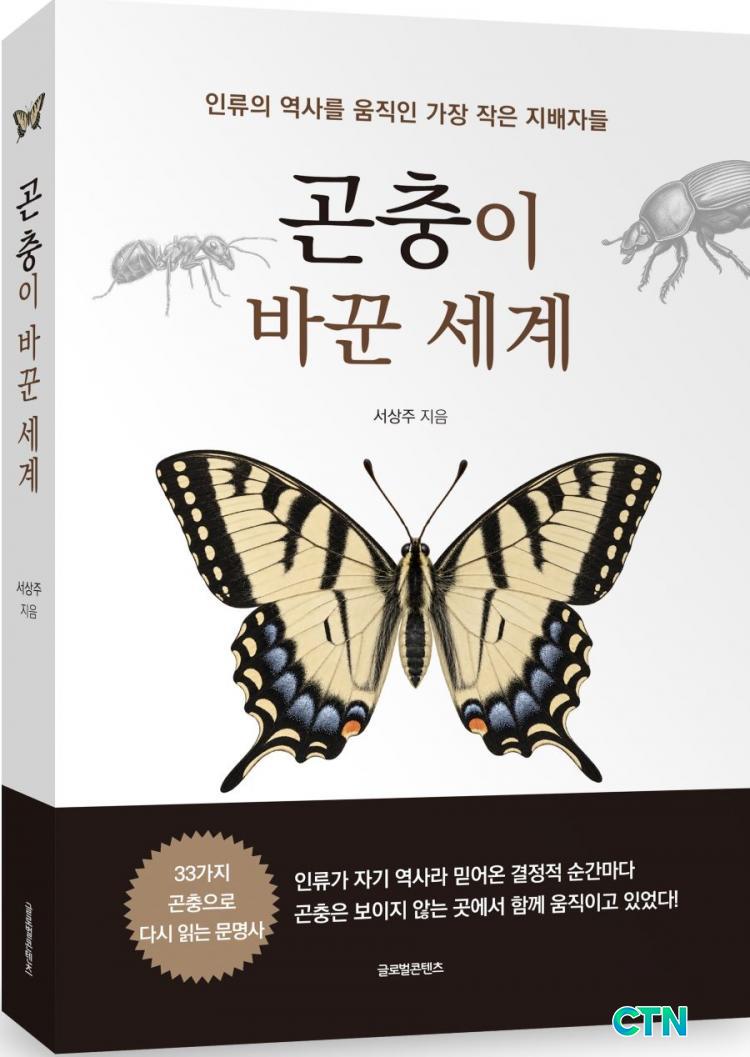
[신간] 『곤충이 바꾼 세계』… 인류 문명을 움직인 33종의 작은 지배자들/출판사 제공
[CTN문학관] 가금현 기자 = 우리는 역사를 인간의 이름으로 기록한다. 그러나 인류 문명의 결정적 순간마다 인간만큼이나 중요한 역할을 해 온 존재들이 있다.
전쟁의 승패를 좌우한 곤충부터 산업과 무역을 일으킨 곤충, 과학적 발견에 영감을 준 곤충까지. 인류 역사의 이면에는 오랫동안 주목받지 못했던 작은 생명들의 이야기가 자리하고 있다.
신간 『곤충이 바꾼 세계: 인류의 역사를 움직인 가장 작은 지배자들』은 곤충 33종의 이야기를 통해 인류 문명과 세계사를 새로운 시각으로 바라보는 인문 교양서다.
저자 서상주는 전쟁과 질병, 산업과 경제, 과학과 의학, 생태계와 문화에 이르기까지 다양한 영역에서 곤충이 인간의 삶과 역사에 미친 영향을 입체적으로 풀어낸다.
이 책은 곤충을 단순한 생물학적 연구 대상으로 다루는 데 그치지 않는다. 때로는 제국과 군대의 운명을 뒤바꾼 위협적인 존재로, 때로는 문명을 지탱하고 과학기술의 발전을 이끈 조력자로 곤충을 조명한다.
인간이 역사의 유일한 주인공이라는 익숙한 관점에서 벗어나 자연과 생명이 문명 형성에 어떤 영향을 미쳐 왔는지 살펴보는 것이 특징이다.
책은 총 6장으로 구성됐다.
1장에서는 말라리아모기와 몸니, 쥐벼룩 등을 중심으로 전쟁과 감염병의 역사를 살펴본다. 곤충을 매개로 확산한 질병이 군대의 전투력과 사회의 생존에 영향을 미치고, 역사적 사건의 흐름을 바꾸는 데 어떤 역할을 했는지 조명한다.
2장에서는 누에나방과 꿀벌, 연지벌레 등을 통해 산업과 무역, 예술의 발전에 기여한 곤충의 이야기를 소개한다. 비단과 밀랍, 천연 색소 등 인간의 생활과 경제를 뒷받침해 온 생물 자원을 통해 곤충과 인류 문명의 오랜 연결고리를 보여준다.
3장은 초파리와 반딧불이, 쌍살벌 등을 중심으로 유전학과 의학, 생체 모방 기술의 발전을 들여다본다.
작은 생명체에 대한 관찰이 과학적 질문으로 이어지고, 자연의 구조와 작동 원리가 인간의 연구와 기술 개발에 새로운 가능성을 제시해 온 과정을 다룬다.
4장에서는 쇠똥구리와 꽃등에, 개미 등을 통해 생태계의 균형과 자연의 순환을 살펴본다. 분해와 물질 순환, 수분, 생물 간 상호작용 등 다양한 생태적 기능을 수행하는 곤충의 역할을 소개하며, 인간이 살아가는 환경을 유지하는 데 이들이 얼마나 중요한지 짚는다.
5장에서는 매미와 사마귀, 나비, 황금풍뎅이 등에 담긴 상징과 신화, 예술적 영감을 탐색한다.
곤충이 자연의 일부를 넘어 인간의 상상력과 종교적 상징, 문화적 표현 속에서 어떤 의미를 얻어 왔는지 살펴보며 역사와 문화의 또 다른 단면을 보여준다.
마지막 6장에서는 세계화와 국제 교역을 통해 새로운 지역으로 이동하면서 생태적 위기를 일으키는 곤충과 미래 식량으로 주목받는 식용곤충을 다룬다.
인간의 이동과 경제활동이 생태계에 미치는 영향을 돌아보는 한편, 기후와 환경의 변화, 식량 문제 속에서 인간과 곤충이 함께 맞이할 미래를 질문한다.
책에 담긴 33가지 이야기는 곤충 한 종의 생태적 특성을 소개하는 데 머물지 않는다. 세계사와 전쟁사, 경제와 산업, 과학사와 의학, 문화와 환경을 넘나들며 인간 문명을 구성해 온 다양한 요인을 살펴보도록 이끈다.
이를 통해 역사적 사건을 자연과 생태의 관점에서 새롭게 해석할 수 있는 가능성을 제시한다.
저자 서상주는 한국방송통신대학교 농학과에서 농업 생태계의 구조와 해충·잡초 관리 문제를 탐구했다.
농업과 생태계에 대한 학문적 이해를 바탕으로 자연과 인간의 관계를 폭넓게 살펴봐 왔다.
또한 사회복지사로 오랜 기간 현장에서 다양한 계층의 사람들을 만나며 생존과 적응, 삶의 구조와 사회적 문제에 대한 경험을 쌓았다.
현재는 부동산 대학원에서 일본의 공실 문제와 도시 공동화 현상, 디벨로퍼 중심의 도시재생 전략을 연구하고 있다.
자연과 인간, 도시라는 서로 다른 영역을 연결해 관계와 변화의 구조를 탐구해 온 경험은 인간과 환경을 바라보는 저자의 융합적 시각으로 이어진다.
『곤충이 바꾼 세계』는 인류 문명을 인간의 성취만으로 설명하는 관점에서 벗어나, 인간과 함께 세계를 만들어 온 작은 생명들의 역할을 돌아보게 한다.
곤충을 통해 세계사와 과학, 문화와 생태를 새롭게 이해하고 싶은 독자에게 의미 있는 독서 경험을 제공할 것으로 기대된다.
인간이 역사의 주인공이라면, 곤충은 그 역사에 어떤 방식으로 참여해 왔을까. 이 책은 작고 익숙한 생명체를 통해 인류 문명의 거대한 흐름을 다시 바라보게 한다.
[영문번역-AI]
[New Book] The World Transformed by Insects: 33 Tiny Creatures That Shaped Human Civilization
From warfare and disease to industry, science, and ecosystems, a new book explores world history through the lives of insects
Author Seo Sang-ju offers a fresh perspective on the relationship between humanity and the natural world
[CTN Literary Museum] Reporter Ga Geum-hyeon — History is usually written in human names. Yet humanity has never shaped its destiny alone. Behind pivotal moments in civilization are countless small creatures whose influence has often gone unnoticed, from insects that affected the outcomes of wars to those that supported trade, inspired scientific discoveries, and helped sustain ecosystems.
The new book The World Transformed by Insects: The Smallest Rulers Who Shaped Human History, written by Seo Sang-ju and published by Global Contents, is a general-interest humanities book that revisits human civilization and world history through the stories of 33 insect species.
The book explores how insects have influenced human life across a wide range of fields, including warfare, disease, industry, economics, science, medicine, ecology, and culture. Rather than treating insects merely as subjects of biological study, Seo presents them as both threats that have altered the course of history and indispensable allies that have supported civilization and inspired technological progress.
By moving beyond the familiar view of humans as the sole protagonists of history, the book invites readers to reconsider how deeply the natural world has shaped the development of human societies.
The book is divided into six chapters.
Chapter 1 examines the role of insects in the history of warfare and disease. Through examples such as malaria mosquitoes, body lice, and rat fleas, it explores how insect-borne diseases have affected military strength, human survival, and the course of historical events.
Chapter 2 turns to the contributions of insects to industry, trade, and the arts. Silkworm moths, honeybees, and cochineal insects illustrate the longstanding connections between insects and human civilization through materials and resources such as silk, beeswax, and natural dyes.
Chapter 3 explores insects that have contributed to advances in genetics, medicine, and biomimetic technology. Fruit flies, fireflies, and paper wasps offer examples of how observations of small organisms can inspire scientific questions and open new possibilities for research and technological development.
Chapter 4 examines the ecological roles of dung beetles, hoverflies, ants, and other insects. By exploring their contributions to decomposition, nutrient cycling, pollination, and interactions among species, the chapter highlights the importance of insects in maintaining ecological balance and supporting the environments on which humans depend.
Chapter 5 explores the symbolic and cultural significance of insects. Cicadas, praying mantises, butterflies, and golden beetles appear in stories, myths, artistic expression, and cultural traditions, illustrating how insects have influenced the human imagination and acquired meanings beyond their place in nature.
The final chapter addresses the ecological challenges associated with globalization and international trade, including the movement of insects into new environments. It also considers edible insects as a potential food resource and raises questions about the future relationship between humans and insects amid environmental change and growing concerns about food security.
Across its 33 stories, the book goes beyond describing the biological characteristics of individual species. It connects world history, economic development, scientific discovery, medicine, culture, and environmental studies, offering readers a more multidimensional understanding of the forces that have shaped human civilization.
Seo Sang-ju studied agricultural ecosystems and the management of agricultural pests and weeds in the Department of Agriculture at Korea National Open University. Building on this academic background, Seo has developed a broad perspective on the relationship between humans and nature.
Seo also spent many years working in social welfare, engaging with people from diverse backgrounds and gaining practical insight into survival, adaptation, and the complexities of social life.
Currently pursuing graduate studies in real estate, Seo researches Japan's vacant-property challenges, urban hollowing, and developer-led urban regeneration strategies. This interdisciplinary experience informs a perspective that connects nature, human society, and urban environments.
The World Transformed by Insects encourages readers to look beyond accounts of civilization centered exclusively on human achievement and recognize the contributions of the small organisms that have shared and shaped our world.
For readers interested in world history, science, culture, ecology, and the relationship between humanity and nature, the book offers an engaging opportunity to reconsider familiar historical narratives.
If humans are the protagonists of history, what roles have insects played in shaping its course? Through the lives of these small yet influential creatures, the book invites readers to see the grand story of human civilization from a new perspective.
전쟁의 승패를 좌우한 곤충부터 산업과 무역을 일으킨 곤충, 과학적 발견에 영감을 준 곤충까지. 인류 역사의 이면에는 오랫동안 주목받지 못했던 작은 생명들의 이야기가 자리하고 있다.
신간 『곤충이 바꾼 세계: 인류의 역사를 움직인 가장 작은 지배자들』은 곤충 33종의 이야기를 통해 인류 문명과 세계사를 새로운 시각으로 바라보는 인문 교양서다.
저자 서상주는 전쟁과 질병, 산업과 경제, 과학과 의학, 생태계와 문화에 이르기까지 다양한 영역에서 곤충이 인간의 삶과 역사에 미친 영향을 입체적으로 풀어낸다.
이 책은 곤충을 단순한 생물학적 연구 대상으로 다루는 데 그치지 않는다. 때로는 제국과 군대의 운명을 뒤바꾼 위협적인 존재로, 때로는 문명을 지탱하고 과학기술의 발전을 이끈 조력자로 곤충을 조명한다.
인간이 역사의 유일한 주인공이라는 익숙한 관점에서 벗어나 자연과 생명이 문명 형성에 어떤 영향을 미쳐 왔는지 살펴보는 것이 특징이다.
책은 총 6장으로 구성됐다.
1장에서는 말라리아모기와 몸니, 쥐벼룩 등을 중심으로 전쟁과 감염병의 역사를 살펴본다. 곤충을 매개로 확산한 질병이 군대의 전투력과 사회의 생존에 영향을 미치고, 역사적 사건의 흐름을 바꾸는 데 어떤 역할을 했는지 조명한다.
2장에서는 누에나방과 꿀벌, 연지벌레 등을 통해 산업과 무역, 예술의 발전에 기여한 곤충의 이야기를 소개한다. 비단과 밀랍, 천연 색소 등 인간의 생활과 경제를 뒷받침해 온 생물 자원을 통해 곤충과 인류 문명의 오랜 연결고리를 보여준다.
3장은 초파리와 반딧불이, 쌍살벌 등을 중심으로 유전학과 의학, 생체 모방 기술의 발전을 들여다본다.
작은 생명체에 대한 관찰이 과학적 질문으로 이어지고, 자연의 구조와 작동 원리가 인간의 연구와 기술 개발에 새로운 가능성을 제시해 온 과정을 다룬다.
4장에서는 쇠똥구리와 꽃등에, 개미 등을 통해 생태계의 균형과 자연의 순환을 살펴본다. 분해와 물질 순환, 수분, 생물 간 상호작용 등 다양한 생태적 기능을 수행하는 곤충의 역할을 소개하며, 인간이 살아가는 환경을 유지하는 데 이들이 얼마나 중요한지 짚는다.
5장에서는 매미와 사마귀, 나비, 황금풍뎅이 등에 담긴 상징과 신화, 예술적 영감을 탐색한다.
곤충이 자연의 일부를 넘어 인간의 상상력과 종교적 상징, 문화적 표현 속에서 어떤 의미를 얻어 왔는지 살펴보며 역사와 문화의 또 다른 단면을 보여준다.
마지막 6장에서는 세계화와 국제 교역을 통해 새로운 지역으로 이동하면서 생태적 위기를 일으키는 곤충과 미래 식량으로 주목받는 식용곤충을 다룬다.
인간의 이동과 경제활동이 생태계에 미치는 영향을 돌아보는 한편, 기후와 환경의 변화, 식량 문제 속에서 인간과 곤충이 함께 맞이할 미래를 질문한다.
책에 담긴 33가지 이야기는 곤충 한 종의 생태적 특성을 소개하는 데 머물지 않는다. 세계사와 전쟁사, 경제와 산업, 과학사와 의학, 문화와 환경을 넘나들며 인간 문명을 구성해 온 다양한 요인을 살펴보도록 이끈다.
이를 통해 역사적 사건을 자연과 생태의 관점에서 새롭게 해석할 수 있는 가능성을 제시한다.
저자 서상주는 한국방송통신대학교 농학과에서 농업 생태계의 구조와 해충·잡초 관리 문제를 탐구했다.
농업과 생태계에 대한 학문적 이해를 바탕으로 자연과 인간의 관계를 폭넓게 살펴봐 왔다.
또한 사회복지사로 오랜 기간 현장에서 다양한 계층의 사람들을 만나며 생존과 적응, 삶의 구조와 사회적 문제에 대한 경험을 쌓았다.
현재는 부동산 대학원에서 일본의 공실 문제와 도시 공동화 현상, 디벨로퍼 중심의 도시재생 전략을 연구하고 있다.
자연과 인간, 도시라는 서로 다른 영역을 연결해 관계와 변화의 구조를 탐구해 온 경험은 인간과 환경을 바라보는 저자의 융합적 시각으로 이어진다.
『곤충이 바꾼 세계』는 인류 문명을 인간의 성취만으로 설명하는 관점에서 벗어나, 인간과 함께 세계를 만들어 온 작은 생명들의 역할을 돌아보게 한다.
곤충을 통해 세계사와 과학, 문화와 생태를 새롭게 이해하고 싶은 독자에게 의미 있는 독서 경험을 제공할 것으로 기대된다.
인간이 역사의 주인공이라면, 곤충은 그 역사에 어떤 방식으로 참여해 왔을까. 이 책은 작고 익숙한 생명체를 통해 인류 문명의 거대한 흐름을 다시 바라보게 한다.
[영문번역-AI]
[New Book] The World Transformed by Insects: 33 Tiny Creatures That Shaped Human Civilization
From warfare and disease to industry, science, and ecosystems, a new book explores world history through the lives of insects
Author Seo Sang-ju offers a fresh perspective on the relationship between humanity and the natural world
[CTN Literary Museum] Reporter Ga Geum-hyeon — History is usually written in human names. Yet humanity has never shaped its destiny alone. Behind pivotal moments in civilization are countless small creatures whose influence has often gone unnoticed, from insects that affected the outcomes of wars to those that supported trade, inspired scientific discoveries, and helped sustain ecosystems.
The new book The World Transformed by Insects: The Smallest Rulers Who Shaped Human History, written by Seo Sang-ju and published by Global Contents, is a general-interest humanities book that revisits human civilization and world history through the stories of 33 insect species.
The book explores how insects have influenced human life across a wide range of fields, including warfare, disease, industry, economics, science, medicine, ecology, and culture. Rather than treating insects merely as subjects of biological study, Seo presents them as both threats that have altered the course of history and indispensable allies that have supported civilization and inspired technological progress.
By moving beyond the familiar view of humans as the sole protagonists of history, the book invites readers to reconsider how deeply the natural world has shaped the development of human societies.
The book is divided into six chapters.
Chapter 1 examines the role of insects in the history of warfare and disease. Through examples such as malaria mosquitoes, body lice, and rat fleas, it explores how insect-borne diseases have affected military strength, human survival, and the course of historical events.
Chapter 2 turns to the contributions of insects to industry, trade, and the arts. Silkworm moths, honeybees, and cochineal insects illustrate the longstanding connections between insects and human civilization through materials and resources such as silk, beeswax, and natural dyes.
Chapter 3 explores insects that have contributed to advances in genetics, medicine, and biomimetic technology. Fruit flies, fireflies, and paper wasps offer examples of how observations of small organisms can inspire scientific questions and open new possibilities for research and technological development.
Chapter 4 examines the ecological roles of dung beetles, hoverflies, ants, and other insects. By exploring their contributions to decomposition, nutrient cycling, pollination, and interactions among species, the chapter highlights the importance of insects in maintaining ecological balance and supporting the environments on which humans depend.
Chapter 5 explores the symbolic and cultural significance of insects. Cicadas, praying mantises, butterflies, and golden beetles appear in stories, myths, artistic expression, and cultural traditions, illustrating how insects have influenced the human imagination and acquired meanings beyond their place in nature.
The final chapter addresses the ecological challenges associated with globalization and international trade, including the movement of insects into new environments. It also considers edible insects as a potential food resource and raises questions about the future relationship between humans and insects amid environmental change and growing concerns about food security.
Across its 33 stories, the book goes beyond describing the biological characteristics of individual species. It connects world history, economic development, scientific discovery, medicine, culture, and environmental studies, offering readers a more multidimensional understanding of the forces that have shaped human civilization.
Seo Sang-ju studied agricultural ecosystems and the management of agricultural pests and weeds in the Department of Agriculture at Korea National Open University. Building on this academic background, Seo has developed a broad perspective on the relationship between humans and nature.
Seo also spent many years working in social welfare, engaging with people from diverse backgrounds and gaining practical insight into survival, adaptation, and the complexities of social life.
Currently pursuing graduate studies in real estate, Seo researches Japan's vacant-property challenges, urban hollowing, and developer-led urban regeneration strategies. This interdisciplinary experience informs a perspective that connects nature, human society, and urban environments.
The World Transformed by Insects encourages readers to look beyond accounts of civilization centered exclusively on human achievement and recognize the contributions of the small organisms that have shared and shaped our world.
For readers interested in world history, science, culture, ecology, and the relationship between humanity and nature, the book offers an engaging opportunity to reconsider familiar historical narratives.
If humans are the protagonists of history, what roles have insects played in shaping its course? Through the lives of these small yet influential creatures, the book invites readers to see the grand story of human civilization from a new perspective.
 |
가금현 기자 ggh7000@hanmail.net
가금현 기자 입니다.
긍정적인 사고로 의리를 지키며 살고싶다.
술은 웃음소리가 밖에까지 들리도록 마셔라!
내가 그자리에 있다고
CTN·충청탑뉴스·CTN방송 발행인
|
#곤충이바꾼세계 #서상주 #글로벌콘텐츠 #곤충 #인류문명 #세계사 #문명사 #자연과인간 #생태학 #과학사 #전쟁사 #역사문화 #인문교양 #미래식량 #식용곤충 #생물다양성 #환경문제 #신간도서 #책추천 #인문학 #CTN문학관 #가금현기자 #TheWorldTransformedByInsects #SeoSangju #GlobalContents #Insects #HumanHistory #WorldHistory #HumanCivilization #HistoryOfScience #InsectEcology #EnvironmentalHistory #Biodiversity #Ecosystems #Biomimicry #EdibleInsects #FutureFood #NatureAndHumanity #CulturalHistory #Humanities #NewBook #BookRelease #CTNLiteraryMuseum #GaGeumHyeon