[신간]이상재 저자의 『죽음을 알면 삶이 보인다』
가금현 기자입력 : 2026. 09. 01(화) 10:13


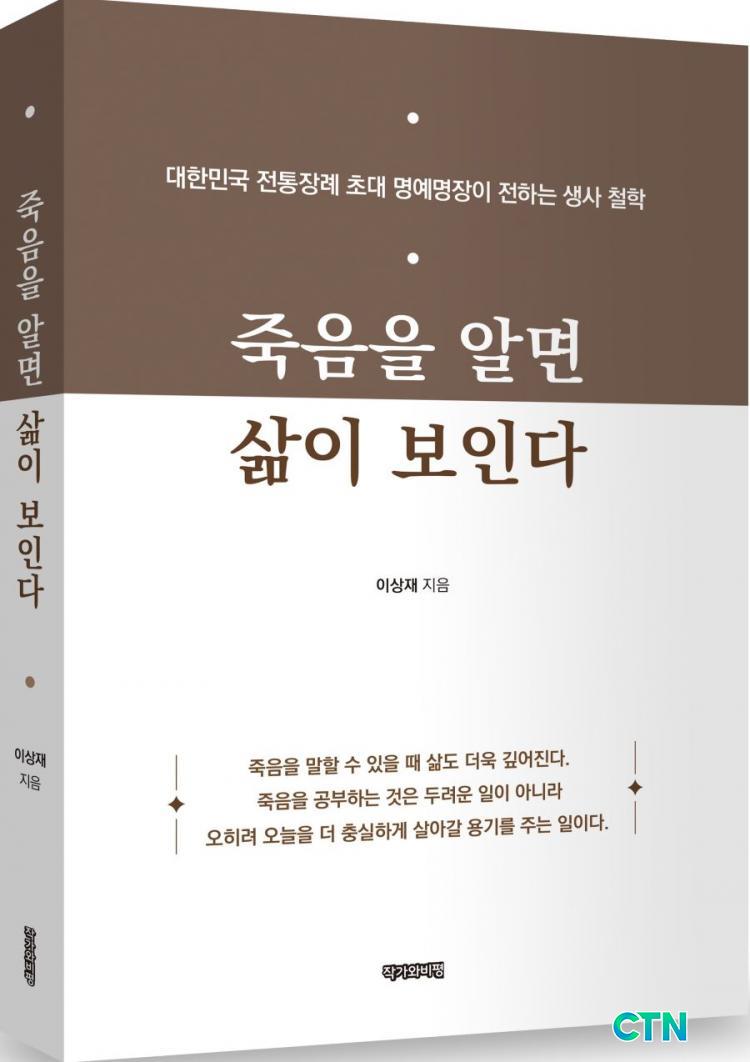
[신간]이상재 저자의 『죽음을 알면 삶이 보인다』
[신간]이상재 저자의 『죽음을 알면 삶이 보인다』
수천 번의 마지막이 가르쳐 준 '오늘의 삶'
죽음을 바라보는 순간, 우리는 비로소 삶의 소중함을 깨닫는다
[CTN문학관]가금현 기자= 수천 번의 장례 현장에서 고인의 마지막을 지켜온 전통장례 전문가 이상재 저자가 삶과 죽음의 의미를 담은 신간 『죽음을 알면 삶이 보인다』를 펴냈다.
이 책은 죽음을 단순히 두려움이나 상실의 대상으로 바라보는 데서 벗어나, 죽음을 통해 현재의 삶과 인간관계를 돌아보도록 이끄는 에세이다.
저자는 30여 년간 장례 현장에서 마주한 수많은 마지막 순간을 바탕으로 죽음 앞에서 드러나는 인간의 본질과 가족, 관계, 애도, 존엄의 의미를 진솔하게 풀어낸다.
고령화와 1인 가구 증가 등으로 가족의 형태와 인간관계가 빠르게 변화하면서 무연고·무빈소 장례도 늘고 있다.
저자는 이러한 장례문화의 변화가 단순히 의례 방식의 변화에 그치지 않고 가족과 공동체, 인간관계의 변화와 맞닿아 있다고 설명한다.
특히 장례를 단순한 절차가 아닌 ‘남겨진 사람들이 슬픔을 마주하고 서로를 위로하는 치유의 과정’으로 바라본다.
한 사람의 마지막을 함께 기억하는 일이 결국 우리가 누구와 관계를 맺고 살아가는지 돌아보게 한다는 것이다.
책은 모두 4부로 구성됐다.
1부 '죽음은 타인의 사건이 아니다'에서는 우리가 죽음을 이야기하기 어려운 이유와 장례식장에서 드러나는 인간의 모습, 죽음의 현장에서 저자가 발견한 삶의 통찰을 다룬다.
2부 '장례와 애도, 그 이후의 시간'에서는 장례의 본질과 존엄한 죽음, 기억의 의미, 유가족의 슬픔과 애도에 대해 이야기한다.
3부 '준비된 죽음이 준비된 삶을 만든다'에서는 웰다잉(Well-Dying)의 의미와 함께 유언, 사전연명의료의향서, 장례 방식의 사전 결정 등 죽음을 준비하기 위해 알아두어야 할 구체적인 내용을 소개한다.
아울러 죽음교육과 장례지도사의 역할을 통해 우리 사회가 죽음을 어떻게 바라봐야 하는지도 짚는다.
4부 '나의 죽음을 상상하다'에서는 저자 자신이 원하는 장례의 모습을 구체적으로 그려보고, 마지막에 남기고 싶은 메시지를 진솔하게 전한다.
책 말미에는 사전연명의료의향서 안내, 장례 준비 체크리스트, 품격 있는 장례를 위한 10가지 원칙 등을 수록해 독자들이 자신의 죽음과 장례를 미리 생각하고 준비할 수 있도록 실질적인 정보도 제공한다.
저자는 "죽음을 이야기하는 것은 죽음을 바란다는 의미가 아니라, 죽음을 통해 어떻게 살아야 하는지를 생각하는 일"이라고 말한다.
살아가면서 쌓인 오해와 갈등, 감정의 껍데기를 벗겨내고 지금의 삶을 성찰하는 데 죽음이라는 렌즈가 중요한 역할을 한다는 것이다.
『죽음을 알면 삶이 보인다』는 결국 마지막을 준비하는 일이 오늘을 어떻게 살아갈 것인지 생각하는 과정이라고 강조한다.
자신의 웰다잉을 준비하고 싶은 사람뿐 아니라 부모의 노년과 장례를 준비해야 하는 가족, 사랑하는 사람과 죽음에 관한 이야기를 나누고 싶은 독자들에게 실질적인 길잡이가 될 것으로 기대된다.
또한 장례지도사와 장례산업 종사자, 죽음교육에 관심 있는 교육자, 웰다잉을 공부하는 독자들에게도 장례문화와 죽음의 의미를 이해하는 데 도움을 줄 수 있다.
이상재 저자는 대한민국 전통장례 초대 명예명장으로, 3대에 걸쳐 30여 년간 죽음의 현장을 지켜온 장례 전문가다.
동국대학교 법무대학원 법학석사와 명예 법학박사 학위를 취득했으며, '죽음 앞에서 인간은 어떻게 존엄할 수 있는가'라는 질문을 중심으로 죽음과 장례문화에 대한 탐구를 이어왔다.
(사)장례지도사협회 회장을 맡고 있으며 명지대학교 교수로 재직했다.
국가재난 현장의 최전선에서 고인의 존엄과 유가족의 슬픔을 지켜왔으며, 사라져가는 전통장례를 보존하기 위해 안동에 ‘이상재 장례문화박물관’을 설립했다.
우리 전통장례 문화를 유네스코 인류무형문화유산에 등재하는 것을 평생의 사명으로 삼고 있으며, 30년 동안 죽음의 현장을 지켜본 경험을 바탕으로 살아있는 사람을 살리는 '자살예방전문가'로서의 새로운 삶도 꿈꾸고 있다.
『죽음을 알면 삶이 보인다』는 죽음을 통해 삶을 다시 바라보고, 가족과 인간관계의 소중함을 되새기며, 오늘이라는 시간을 어떻게 살아갈 것인지 질문하는 책이다.
[New Book] When You Understand Death, You Can See Life — What Thousands of Farewells Taught About Living
The moment we face death, we begin to understand the preciousness of life.
Lee Sang-jae, a veteran funeral professional who has witnessed thousands of final farewells over more than three decades, has published a new book, When You Understand Death, You Can See Life.
The book is an essay that examines death not simply as something to fear or avoid, but as a lens through which we can reconsider the meaning of life, human relationships and the value of the present moment.
Drawing on his experiences at countless funeral sites, Lee explores what death reveals about human nature, family, relationships, grief and dignity.
As Korea experiences rapid demographic and social changes, including population aging and the rise of single-person households, traditional family structures and interpersonal relationships are also changing. The increase in funerals without family members or without a traditional funeral hall reflects these broader changes.
Lee argues that changes in funeral practices are not merely changes in procedures. They also reveal changes in family, community and human relationships.
For him, a funeral is more than a ceremony. It is a process through which the bereaved confront grief, remember a loved one and support one another. Remembering someone's final moments, he suggests, ultimately leads us to ask who we are connected to and how we are living today.
The book consists of four parts.
Part 1, “Death Is Not Someone Else’s Story,” examines why people find it difficult to talk about death, what human beings reveal at funeral sites, and the insights about life that the author has gained from witnessing countless deaths.
Part 2, “Funerals, Grief and the Time Afterward,” explores the essence of funerals, dignified death, the meaning of memory, and the grief experienced by bereaved families.
Part 3, “Preparing for Death Means Preparing for Life,” discusses the true meaning of Well-Dying and introduces practical preparations, including wills, advance directives for life-sustaining treatment, and decisions regarding one's preferred funeral arrangements. The author also examines death education and the role of funeral directors.
Part 4, “Imagining My Own Death,” presents the author's own vision of his desired funeral and the message he hopes to leave behind.
The end of the book also provides practical resources, including information on advance directives for life-sustaining treatment, a funeral preparation checklist and 10 principles for a dignified funeral.
Lee emphasizes that talking about death does not mean wishing for death. Rather, it means thinking about how we should live through the perspective of death.
Death can strip away the layers of misunderstanding, conflict and emotion that accumulate throughout life. Preparing for death and discussing it with loved ones can therefore become an opportunity to reconsider the meaning of today, appreciate our relationships and reflect on what we want to leave behind.
The book is recommended for anyone interested in Well-Dying, as well as families preparing for the later years and eventual passing of their parents or loved ones. It may also serve as a useful resource for funeral directors, professionals in the funeral industry, educators interested in death education and readers studying Well-Dying.
About the Author
Lee Sang-jae is Korea's first honorary master of traditional funeral culture and a funeral professional with more than 30 years of experience spanning three generations.
He holds a master's degree in law from Dongguk University's Graduate School of Law and an honorary doctorate in law. His lifelong inquiry has centered on one fundamental question:
“How can human dignity be preserved in the face of death?”
He has served as chairman of the Korea Funeral Directors Association and as a professor at Myongji University. He has also worked on the front lines of national disaster sites, helping protect the dignity of the deceased and support grieving families.
To preserve Korea's disappearing traditional funeral culture, he established the Lee Sang-jae Funeral Culture Museum in Andong. He has made the preservation and international recognition of Korean traditional funeral culture, including its potential inscription on UNESCO's Intangible Cultural Heritage list, a lifelong mission.
After witnessing death for three decades, he is also pursuing a new role as a suicide-prevention professional dedicated to helping people who are still living.
When You Understand Death, You Can See Life ultimately asks readers to look at life through the lens of death—to reconsider the value of family and human relationships and to reflect on how they want to live today.
By = Reporter Name
Media Outlet = Media Outlet Name
수천 번의 마지막이 가르쳐 준 '오늘의 삶'
죽음을 바라보는 순간, 우리는 비로소 삶의 소중함을 깨닫는다
[CTN문학관]가금현 기자= 수천 번의 장례 현장에서 고인의 마지막을 지켜온 전통장례 전문가 이상재 저자가 삶과 죽음의 의미를 담은 신간 『죽음을 알면 삶이 보인다』를 펴냈다.
이 책은 죽음을 단순히 두려움이나 상실의 대상으로 바라보는 데서 벗어나, 죽음을 통해 현재의 삶과 인간관계를 돌아보도록 이끄는 에세이다.
저자는 30여 년간 장례 현장에서 마주한 수많은 마지막 순간을 바탕으로 죽음 앞에서 드러나는 인간의 본질과 가족, 관계, 애도, 존엄의 의미를 진솔하게 풀어낸다.
고령화와 1인 가구 증가 등으로 가족의 형태와 인간관계가 빠르게 변화하면서 무연고·무빈소 장례도 늘고 있다.
저자는 이러한 장례문화의 변화가 단순히 의례 방식의 변화에 그치지 않고 가족과 공동체, 인간관계의 변화와 맞닿아 있다고 설명한다.
특히 장례를 단순한 절차가 아닌 ‘남겨진 사람들이 슬픔을 마주하고 서로를 위로하는 치유의 과정’으로 바라본다.
한 사람의 마지막을 함께 기억하는 일이 결국 우리가 누구와 관계를 맺고 살아가는지 돌아보게 한다는 것이다.
책은 모두 4부로 구성됐다.
1부 '죽음은 타인의 사건이 아니다'에서는 우리가 죽음을 이야기하기 어려운 이유와 장례식장에서 드러나는 인간의 모습, 죽음의 현장에서 저자가 발견한 삶의 통찰을 다룬다.
2부 '장례와 애도, 그 이후의 시간'에서는 장례의 본질과 존엄한 죽음, 기억의 의미, 유가족의 슬픔과 애도에 대해 이야기한다.
3부 '준비된 죽음이 준비된 삶을 만든다'에서는 웰다잉(Well-Dying)의 의미와 함께 유언, 사전연명의료의향서, 장례 방식의 사전 결정 등 죽음을 준비하기 위해 알아두어야 할 구체적인 내용을 소개한다.
아울러 죽음교육과 장례지도사의 역할을 통해 우리 사회가 죽음을 어떻게 바라봐야 하는지도 짚는다.
4부 '나의 죽음을 상상하다'에서는 저자 자신이 원하는 장례의 모습을 구체적으로 그려보고, 마지막에 남기고 싶은 메시지를 진솔하게 전한다.
책 말미에는 사전연명의료의향서 안내, 장례 준비 체크리스트, 품격 있는 장례를 위한 10가지 원칙 등을 수록해 독자들이 자신의 죽음과 장례를 미리 생각하고 준비할 수 있도록 실질적인 정보도 제공한다.
저자는 "죽음을 이야기하는 것은 죽음을 바란다는 의미가 아니라, 죽음을 통해 어떻게 살아야 하는지를 생각하는 일"이라고 말한다.
살아가면서 쌓인 오해와 갈등, 감정의 껍데기를 벗겨내고 지금의 삶을 성찰하는 데 죽음이라는 렌즈가 중요한 역할을 한다는 것이다.
『죽음을 알면 삶이 보인다』는 결국 마지막을 준비하는 일이 오늘을 어떻게 살아갈 것인지 생각하는 과정이라고 강조한다.
자신의 웰다잉을 준비하고 싶은 사람뿐 아니라 부모의 노년과 장례를 준비해야 하는 가족, 사랑하는 사람과 죽음에 관한 이야기를 나누고 싶은 독자들에게 실질적인 길잡이가 될 것으로 기대된다.
또한 장례지도사와 장례산업 종사자, 죽음교육에 관심 있는 교육자, 웰다잉을 공부하는 독자들에게도 장례문화와 죽음의 의미를 이해하는 데 도움을 줄 수 있다.
이상재 저자는 대한민국 전통장례 초대 명예명장으로, 3대에 걸쳐 30여 년간 죽음의 현장을 지켜온 장례 전문가다.
동국대학교 법무대학원 법학석사와 명예 법학박사 학위를 취득했으며, '죽음 앞에서 인간은 어떻게 존엄할 수 있는가'라는 질문을 중심으로 죽음과 장례문화에 대한 탐구를 이어왔다.
(사)장례지도사협회 회장을 맡고 있으며 명지대학교 교수로 재직했다.
국가재난 현장의 최전선에서 고인의 존엄과 유가족의 슬픔을 지켜왔으며, 사라져가는 전통장례를 보존하기 위해 안동에 ‘이상재 장례문화박물관’을 설립했다.
우리 전통장례 문화를 유네스코 인류무형문화유산에 등재하는 것을 평생의 사명으로 삼고 있으며, 30년 동안 죽음의 현장을 지켜본 경험을 바탕으로 살아있는 사람을 살리는 '자살예방전문가'로서의 새로운 삶도 꿈꾸고 있다.
『죽음을 알면 삶이 보인다』는 죽음을 통해 삶을 다시 바라보고, 가족과 인간관계의 소중함을 되새기며, 오늘이라는 시간을 어떻게 살아갈 것인지 질문하는 책이다.
[New Book] When You Understand Death, You Can See Life — What Thousands of Farewells Taught About Living
The moment we face death, we begin to understand the preciousness of life.
Lee Sang-jae, a veteran funeral professional who has witnessed thousands of final farewells over more than three decades, has published a new book, When You Understand Death, You Can See Life.
The book is an essay that examines death not simply as something to fear or avoid, but as a lens through which we can reconsider the meaning of life, human relationships and the value of the present moment.
Drawing on his experiences at countless funeral sites, Lee explores what death reveals about human nature, family, relationships, grief and dignity.
As Korea experiences rapid demographic and social changes, including population aging and the rise of single-person households, traditional family structures and interpersonal relationships are also changing. The increase in funerals without family members or without a traditional funeral hall reflects these broader changes.
Lee argues that changes in funeral practices are not merely changes in procedures. They also reveal changes in family, community and human relationships.
For him, a funeral is more than a ceremony. It is a process through which the bereaved confront grief, remember a loved one and support one another. Remembering someone's final moments, he suggests, ultimately leads us to ask who we are connected to and how we are living today.
The book consists of four parts.
Part 1, “Death Is Not Someone Else’s Story,” examines why people find it difficult to talk about death, what human beings reveal at funeral sites, and the insights about life that the author has gained from witnessing countless deaths.
Part 2, “Funerals, Grief and the Time Afterward,” explores the essence of funerals, dignified death, the meaning of memory, and the grief experienced by bereaved families.
Part 3, “Preparing for Death Means Preparing for Life,” discusses the true meaning of Well-Dying and introduces practical preparations, including wills, advance directives for life-sustaining treatment, and decisions regarding one's preferred funeral arrangements. The author also examines death education and the role of funeral directors.
Part 4, “Imagining My Own Death,” presents the author's own vision of his desired funeral and the message he hopes to leave behind.
The end of the book also provides practical resources, including information on advance directives for life-sustaining treatment, a funeral preparation checklist and 10 principles for a dignified funeral.
Lee emphasizes that talking about death does not mean wishing for death. Rather, it means thinking about how we should live through the perspective of death.
Death can strip away the layers of misunderstanding, conflict and emotion that accumulate throughout life. Preparing for death and discussing it with loved ones can therefore become an opportunity to reconsider the meaning of today, appreciate our relationships and reflect on what we want to leave behind.
The book is recommended for anyone interested in Well-Dying, as well as families preparing for the later years and eventual passing of their parents or loved ones. It may also serve as a useful resource for funeral directors, professionals in the funeral industry, educators interested in death education and readers studying Well-Dying.
About the Author
Lee Sang-jae is Korea's first honorary master of traditional funeral culture and a funeral professional with more than 30 years of experience spanning three generations.
He holds a master's degree in law from Dongguk University's Graduate School of Law and an honorary doctorate in law. His lifelong inquiry has centered on one fundamental question:
“How can human dignity be preserved in the face of death?”
He has served as chairman of the Korea Funeral Directors Association and as a professor at Myongji University. He has also worked on the front lines of national disaster sites, helping protect the dignity of the deceased and support grieving families.
To preserve Korea's disappearing traditional funeral culture, he established the Lee Sang-jae Funeral Culture Museum in Andong. He has made the preservation and international recognition of Korean traditional funeral culture, including its potential inscription on UNESCO's Intangible Cultural Heritage list, a lifelong mission.
After witnessing death for three decades, he is also pursuing a new role as a suicide-prevention professional dedicated to helping people who are still living.
When You Understand Death, You Can See Life ultimately asks readers to look at life through the lens of death—to reconsider the value of family and human relationships and to reflect on how they want to live today.
By = Reporter Name
Media Outlet = Media Outlet Name
 |
가금현 기자 ggh7000@hanmail.net
가금현 기자 입니다.
긍정적인 사고로 의리를 지키며 살고싶다.
술은 웃음소리가 밖에까지 들리도록 마셔라!
내가 그자리에 있다고
CTN·충청탑뉴스·CTN방송 발행인
|
#죽음을알면삶이보인다 #이상재 #신간 #신간도서 #신간소개 #책추천 #에세이 #삶과죽음 #삶의자세 #삶의의미 #죽음교육 #죽음준비 #웰다잉 #WellDying #장례 #장례문화 #장례지도사 #전통장례 #존엄한죽음 #사전연명의료의향서 #연명의료 #유언 #가족 #가족관계 #인간관계 #소통 #애도 #장례식 #무연고장례 #무빈소장례 #품격있는장례 #죽음과삶 #인생에세이 #인문에세이 #책읽기 #도서추천 #이상재장례문화박물관 #죽음의의미 #삶의가치 #언론사명 #기자명 #WhenYouUnderstandDeathYouCanSeeLife #LeeSangJae #NewBook #NewRelease #BookRecommendation #Essay #LifeAndDeath #MeaningOfLife #DeathEducation #DeathPreparation #WellDying #Funeral #FuneralCulture #TraditionalFuneral #DignifiedDeath #AdvanceDirective #AdvanceCarePlanning #EndOfLifeCare #Will #Grief #Bereavement #Family #FamilyRelationships #HumanRelationships #Communication #FuneralDirector #FuneralIndustry #UnattendedFuneral #FuneralWithoutFamily #DignifiedFuneral #EndOfLife #LifeReflection #KoreanLiterature #KoreanBooks #BookNews #LeeSangJaeFuneralCultureMuseum #MediaOutletName #ReporterName