예보 오보 논란엔 묵묵부답, 대신 청소년 캠프 열어 홍보전
기상청, 27일 국가기상슈퍼컴퓨터센터서 제10회 청소년 슈퍼컴퓨팅 체험 캠프 진행
슈퍼컴퓨터 분해·조립, 병렬프로그래밍, 레윈존데 관측 및 위성센터 견학 등 개편
슈퍼컴퓨터 분해·조립, 병렬프로그래밍, 레윈존데 관측 및 위성센터 견학 등 개편
가요진 기자입력 : 2026. 08. 31(월) 15:11


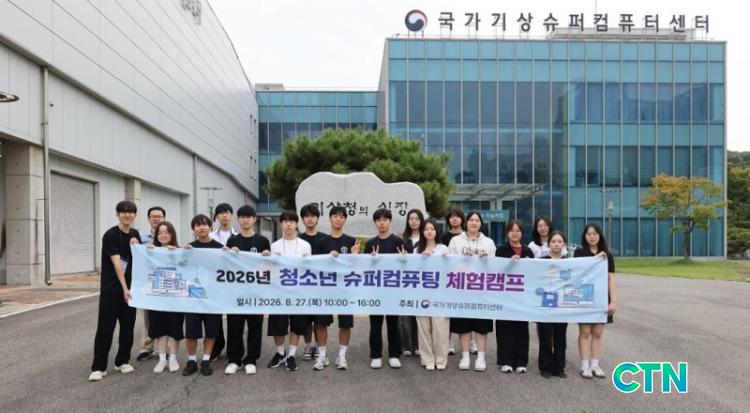
사진=기상청 제공
[기상청/CTN]가요진 기자= 이미선 기상청장은 "학생들이 교실에서 배운 지구과학과 다양한 분야의 과학기술이 실제 기상업무에서 어떻게 활용되는지를 직접 확인해 보며, 자신의 관심과 적성에 맞는 미래 진로를 탐색하는 기회가 되기를 바란다"라고 말했다. 기상청은 8월 27일 국가기상슈퍼컴퓨터센터에서 고등학생 약 20명이 참여하는 '2026년 청소년 슈퍼컴퓨팅 체험 캠프'를 개최했다고 밝혔다.
2017년 처음 시작된 이 캠프는 올해로 10회를 맞이했으며, 지금까지 총 198명의 학생이 거쳐 갔다. 기상청은 올해 캠프의 경우 슈퍼컴퓨터 체험뿐만 아니라 기상 관측부터 수치예보까지 기상정보가 생산되는 전 과정을 폭넓게 경험할 수 있도록 프로그램을 확대하고 개편했다고 설명했다.
참여 학생들은 국가기상슈퍼컴퓨터센터 내 하드웨어를 직접 분해·조립하며 컴퓨터 구조와 작동 원리를 익혔고, 수치예보시스템을 활용해 예측자료를 생산하는 과정을 체험했다. 특히 올해는 참가자 개개인의 집 주소를 기준으로 일기도 자료에서 기온·바람·강수 등 기상요소의 변화를 시계열로 확인하고 주소지 맞춤형 일기예보를 알아는 프로그램이 추가됐다. 대규모 기상자료를 빠르게 처리하는 병렬프로그래밍 실습도 함께 이뤄졌다.
아울러 현장 관측 체험도 병행됐다. 청주기상지청이 지원한 기상관측차량에 탑재된 지상관측장비를 살펴보고, 고층 대기 관측을 위해 약 30km 상공까지 상승하는 레윈존데에 헬륨을 주입해 직접 띄워보는 실습을 진행했다. 이어 충북 진천의 국가기상위성센터를 방문해 천리안 위성 2A호와 해외 위성 데이터를 수신·분석해 위험 기상에 대비하는 현장을 둘러봤다.
정부 부처나 공공기관이 보유한 첨단 인프라를 활용해 청소년 대상 견학 및 체험 프로그램을 정례적으로 운영하는 것은 지자체 및 중앙부처의 정례적인 대시민·청소년 소통 행정이다.
기상청은 이번 캠프를 통해 지상과 고층, 우주에서 관측한 자료가 예보에 활용되는 인과관계를 전달하고, 청소년들이 과학기술 분야의 진로를 탐색하는 계기를 제공했다고 덧붙였다.
[영문번역 기사-AI활용]
Mi-seon Lee, Administrator of the Korea Meteorological Administration, highlighted the educational initiative, stating, "We hope students confirm how science technology learned in classrooms is applied in practice, finding opportunities to explore future career paths." The KMA announced it held the '2026 Youth Supercomputing Experience Camp' on August 27 at the National Meteorological Supercomputer Center, with around 20 high school students attending.
Initiated in 2017, the camp celebrated its 10th iteration this year, having accumulated a total of 198 student participants. The KMA noted that it expanded and reorganized the program this year to cover the entire meteorological process, from initial observation to numerical weather prediction.
Participating students inspected supercomputing infrastructure, disassembled and assembled hardware to understand structural mechanics, and generated numerical prediction data. The program newly featured a personalized activity analyzing localized time-series data—including temperature, wind, and precipitation—based on each student's home address. Students also engaged in parallel programming exercises used for large-scale data processing.
The camp extended to field observations involving mobile meteorological vehicles supplied by the Cheongju Meteorological Office, where students manually filled helium into radiosondes for upper-air observation. The itinerary concluded with a visit to the National Meteorological Satellite Center in Jincheon, North Chungcheong Province, to observe how data from Cheollian Satellite 2A is processed for severe weather monitoring.
Central government agencies hosting experiential outreach programs for youth by utilizing public technical infrastructure represents a routine administrative function in public relations and civil engagement.
The KMA added that the camp provided high school students with insight into how ground, upper-air, and satellite observations complement each other in modern weather forecasting.
2017년 처음 시작된 이 캠프는 올해로 10회를 맞이했으며, 지금까지 총 198명의 학생이 거쳐 갔다. 기상청은 올해 캠프의 경우 슈퍼컴퓨터 체험뿐만 아니라 기상 관측부터 수치예보까지 기상정보가 생산되는 전 과정을 폭넓게 경험할 수 있도록 프로그램을 확대하고 개편했다고 설명했다.
참여 학생들은 국가기상슈퍼컴퓨터센터 내 하드웨어를 직접 분해·조립하며 컴퓨터 구조와 작동 원리를 익혔고, 수치예보시스템을 활용해 예측자료를 생산하는 과정을 체험했다. 특히 올해는 참가자 개개인의 집 주소를 기준으로 일기도 자료에서 기온·바람·강수 등 기상요소의 변화를 시계열로 확인하고 주소지 맞춤형 일기예보를 알아는 프로그램이 추가됐다. 대규모 기상자료를 빠르게 처리하는 병렬프로그래밍 실습도 함께 이뤄졌다.
아울러 현장 관측 체험도 병행됐다. 청주기상지청이 지원한 기상관측차량에 탑재된 지상관측장비를 살펴보고, 고층 대기 관측을 위해 약 30km 상공까지 상승하는 레윈존데에 헬륨을 주입해 직접 띄워보는 실습을 진행했다. 이어 충북 진천의 국가기상위성센터를 방문해 천리안 위성 2A호와 해외 위성 데이터를 수신·분석해 위험 기상에 대비하는 현장을 둘러봤다.
정부 부처나 공공기관이 보유한 첨단 인프라를 활용해 청소년 대상 견학 및 체험 프로그램을 정례적으로 운영하는 것은 지자체 및 중앙부처의 정례적인 대시민·청소년 소통 행정이다.
기상청은 이번 캠프를 통해 지상과 고층, 우주에서 관측한 자료가 예보에 활용되는 인과관계를 전달하고, 청소년들이 과학기술 분야의 진로를 탐색하는 계기를 제공했다고 덧붙였다.
[영문번역 기사-AI활용]
Mi-seon Lee, Administrator of the Korea Meteorological Administration, highlighted the educational initiative, stating, "We hope students confirm how science technology learned in classrooms is applied in practice, finding opportunities to explore future career paths." The KMA announced it held the '2026 Youth Supercomputing Experience Camp' on August 27 at the National Meteorological Supercomputer Center, with around 20 high school students attending.
Initiated in 2017, the camp celebrated its 10th iteration this year, having accumulated a total of 198 student participants. The KMA noted that it expanded and reorganized the program this year to cover the entire meteorological process, from initial observation to numerical weather prediction.
Participating students inspected supercomputing infrastructure, disassembled and assembled hardware to understand structural mechanics, and generated numerical prediction data. The program newly featured a personalized activity analyzing localized time-series data—including temperature, wind, and precipitation—based on each student's home address. Students also engaged in parallel programming exercises used for large-scale data processing.
The camp extended to field observations involving mobile meteorological vehicles supplied by the Cheongju Meteorological Office, where students manually filled helium into radiosondes for upper-air observation. The itinerary concluded with a visit to the National Meteorological Satellite Center in Jincheon, North Chungcheong Province, to observe how data from Cheollian Satellite 2A is processed for severe weather monitoring.
Central government agencies hosting experiential outreach programs for youth by utilizing public technical infrastructure represents a routine administrative function in public relations and civil engagement.
The KMA added that the camp provided high school students with insight into how ground, upper-air, and satellite observations complement each other in modern weather forecasting.
 |
가요진 기자 gyj1119@naver.com
|
#기상청 #이미선기상청장 #국가기상슈퍼컴퓨터센터 #청소년슈퍼컴퓨팅체험캠프 #수치예보 #기상관측 #천리안위성2A호 #레윈존데 #기상행정 #중앙부처 #관성적홍보 #진로체험 #행정절차 #대시민홍보 #과학캠프