'시베리아의 난로, 마침내 고국 품으로' 독립운동가 최재형 선생 국내 첫 흉상 제막
8월 15일 광복절 및 탄신 166주년 맞아 용산구 기념사업회 사무실에 건립
러시아 연해주 한인들의 '페치카'… 안중근 의거 지원·32개 학교 설립 등 헌신
사단법인 최재형기념사업회 "흉상 제막 계기로 독립정신 알리고 기념관 건립 추진"
러시아 연해주 한인들의 '페치카'… 안중근 의거 지원·32개 학교 설립 등 헌신
사단법인 최재형기념사업회 "흉상 제막 계기로 독립정신 알리고 기념관 건립 추진"
가금현 기자입력 : 2026. 08. 15(토) 17:23


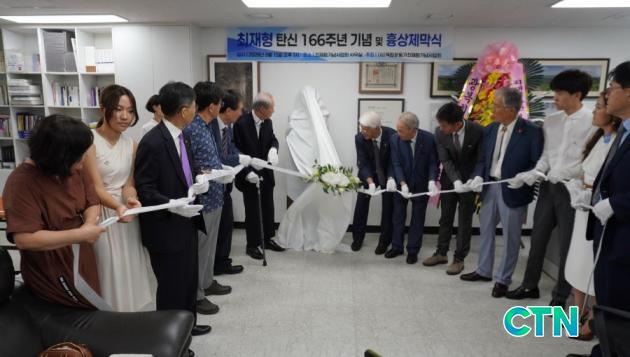
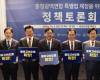
'시베리아의 난로, 마침내 고국 품으로' 독립운동가 최재형 선생 국내 첫 흉상 제막/사진=사업회 제공
[CTN/사회]가금현 기자= 시베리아 항일독립운동의 대부이자 연해주 한인들의 버팀목이었던 최재형 선생의 흉상이 광복절을 맞아 국내에 처음으로 세워졌다.
사단법인 독립운동가최재형기념사업회(이사장 문영숙)는 8월 15일 제81회 광복절과 최재형 선생 탄신 166주년을 맞아 서울 용산구 소재 기념사업회 사무실(용산꿈나무종합타운 제1별관 B1층)에서 최재형 선생의 국내 첫 흉상 제막식을 거행했다고 밝혔다.
이번 흉상은 김창송 초대 이사장을 비롯한 후원자들의 자발적인 성금으로 제작됐다.
문영숙 이사장은 "2019년 8월 러시아 우수리스크 최재형기념관 내에 흉상을 세운 적은 있지만, 국내에 선생의 흉상이 세워진 것은 이번이 처음"이라며 그 의미를 전했다.
1860년 8월 15일 함경북도 경원에서 태어난 최재형 선생은 1869년 기근을 피해 러시아 연해주로 이동한 난민 출신이다.
어릴 적 가출 후 러시아 선장 부부의 도움으로 6년간 상선을 타고 세계를 돌며 상술과 유창한 러시아어를 익혔다.
이후 블라디보스토크에서 군납업으로 큰 부를 형성한 선생은 33세에 얀치혜 도헌(군수)에 임명된 후 한인들의 교육과 권익 보호에 평생을 바쳤다.
연해주 고려인들은 그를 러시아어로 '난로'를 뜻하는 '페치카(Печка)'라 불렀다. 추운 이국땅에서 갈 곳 없고 굶주린 동포들을 따뜻하게 품어주고, 32개 학교를 설립해 교육에 앞장선 그에게 보낸 최고 수준의 존경과 감사의 표현이었다.
최 선생은 1908년 이범윤, 이위종, 안중근 등과 함께 최초의 항일 의병단체인 '동의회'를 조직해 총장을 맡으며 대한의군에게 무기와 의식주를 제공하는 등 본격적인 무장투쟁을 지원했다. 특히 1909년 안중근 의사의 하얼빈 의거 당시 자금과 권총을 마련하고 사격 연습 장소를 제공하는 등 거사를 성공으로 이끈 결정적 인물로 평가받는다.
이후 1911년 권업회를 조직해 언론을 통한 독립운동을 이어갔으며, 1919년 대한민국임시정부 재무총장에 임명되기도 했다.
그러나 선생은 1920년 4월 4일, 일본군이 연해주 한인들을 무차별 학살한 '사월참변' 당시 피신하지 않고 가족과 동지를 지키기 위해 자진 체포되어 우수리스크에서 총상을 입고 순국했다. 일본군은 처형 후 무덤마저 훼손해 100여 년이 지난 현재까지도 유해를 찾지 못하고 있다.
정부는 선생의 공훈을 기려 1962년 건국훈장 독립장을 추서했다. 이어 지난 2023년 8월 14일, 순국 103년 만에 우수리스크 최재형 기념관 뒤편의 흙을 국내로 봉환하여 부인 최 엘레나 여사와 함께 국립서울현충원 애국지사 묘역에 합동 안장했다.
2011년 출범 이후 매년 추모식, 학술사업, 고려인 동포 후손 장학사업 등을 펼쳐온 기념사업회는 이번 흉상 제막을 발판 삼아 최 선생의 삶과 독립정신을 시민들에게 널리 알리고, 숙원 사업인 '최재형 기념관' 건립을 적극 추진할 계획이다.
문영숙 이사장은 "독립운동사에서 차지하는 비중에 비해 국내에 덜 알려진 최재형 선생의 삶을 온전히 기억할 수 있도록 장기적인 기념관 건립까지 최선을 다하겠다"고 강조했다.
[영문번역기사-AI]
First Bust of Independence Fighter Choi Jae-hyung Unveiled in South Korea on Liberation Day
Honoring the "Petchka" (Stove) of Maritime Province Koreans on His 166th Birth Anniversary
Unveiled at the Memorial Association Office in Yongsan; Push for Permanent Memorial Hall Continues
[CTN = Reporter Ga Geum-hyun] The first domestic bust of Choi Jae-hyung, a legendary figure in the anti-Japanese independence movement in Siberia and a pillar of support for ethnic Koreans in Maritime Province (Primorsky Krai), has been unveiled in South Korea to mark Liberation Day.
The Choi Jae-hyung Memorial Association (Chairperson Moon Young-suk) announced that on August 15, celebrating the 81st Liberation Day and the 166th anniversary of Choi's birth, a ceremony was held to unveil his bust at the association’s office in Yongsan-gu, Seoul (B1, Annex 1 of Yongsan Kkumnamoo Complex Town).
The bust was made possible through donations from supporters, including founding Chairman Kim Chang-song. Chairperson Moon Young-suk noted, "While a monument and bust were erected at the Choi Jae-hyung Museum in Ussuriysk, Russia, in August 2019, this is the very first time a bust has been set up inside South Korea."
■ From Starving Refugee to the Warm 'Petchka' of Koreans in Russia
Born in Gyeongwon, Hamgyeongbuk-do on August 15, 1860, Choi fled to the Maritime Province of Russia in 1869 as a nine-year-old refugee to escape famine. After running away from home at age eleven, he was rescued by a Russian captain and his wife. Sailing the world on merchant ships for six years, he learned business skills and acquired fluent Russian. Returning to Vladivostok, he accumulated great wealth through military contracting, served as an administrator (Doheon) in Yanchihe, and established 32 schools to educate Korean immigrants.
Koreans in the region warmly called him "Petchka"—the Russian word for "stove." The nickname reflected their profound respect and gratitude for a man who warmly embraced impoverished compatriots in a freezing foreign land and prioritized education for future generations.
■ A Central Pillar of Armed Resistance: Supporting An Jung-geun's Historic Deed
In 1908, Choi co-founded the 'Donguihoe' (Anti-Japanese Righteous Army Association) with Lee Beom-yun, Lee Wi-jong, and An Jung-geun, serving as its leader and providing weapons, food, and clothing to independence fighters. He played a crucial role in An Jung-geun's historic 1809 Harbin assassination of Ito Hirobumi by providing funds, handguns, and target practice grounds.
He later organized the Kwonup-hoe in 1911 to advocate independence through media and was appointed Minister of Treasury for the Provisional Government of the Republic of Korea in April 1919.
Tragically, during the "April Massacre" of 1920—when Japanese troops indiscriminately slaughtered Koreans in Maritime Province—Choi refused to flee. He surrendered voluntarily to protect his family and fellow fighters and was martyred after suffering gunshot wounds in Ussuriysk. Japanese forces destroyed his grave, and his remains have still not been recovered after more than a century.
■ Joint Burial at National Cemetery and Future Plans
In recognition of his sacrifices, the South Korean government posthumously awarded Choi the Order of Merit for National Foundation (Independent Medal) in 1962. On August 14, 2023, soil from behind the Choi Jae-hyung Museum in Ussuriysk was brought to South Korea, enabling a joint burial with his wife, Choi Elena, at the Seoul National Cemetery—103 years after his martyrdom.
Since its launch in 2011, the Memorial Association has held annual memorial ceremonies, academic conferences, and scholarship programs for descendants of Koryo-saram.
"We hope this bust unveiling serves as a momentum to spread Choi's life and independence spirit to more citizens," said Chairperson Moon. "We will continue our long-term efforts to build a dedicated memorial hall where his legacy can be fully remembered."
사단법인 독립운동가최재형기념사업회(이사장 문영숙)는 8월 15일 제81회 광복절과 최재형 선생 탄신 166주년을 맞아 서울 용산구 소재 기념사업회 사무실(용산꿈나무종합타운 제1별관 B1층)에서 최재형 선생의 국내 첫 흉상 제막식을 거행했다고 밝혔다.
이번 흉상은 김창송 초대 이사장을 비롯한 후원자들의 자발적인 성금으로 제작됐다.
문영숙 이사장은 "2019년 8월 러시아 우수리스크 최재형기념관 내에 흉상을 세운 적은 있지만, 국내에 선생의 흉상이 세워진 것은 이번이 처음"이라며 그 의미를 전했다.
1860년 8월 15일 함경북도 경원에서 태어난 최재형 선생은 1869년 기근을 피해 러시아 연해주로 이동한 난민 출신이다.
어릴 적 가출 후 러시아 선장 부부의 도움으로 6년간 상선을 타고 세계를 돌며 상술과 유창한 러시아어를 익혔다.
이후 블라디보스토크에서 군납업으로 큰 부를 형성한 선생은 33세에 얀치혜 도헌(군수)에 임명된 후 한인들의 교육과 권익 보호에 평생을 바쳤다.
연해주 고려인들은 그를 러시아어로 '난로'를 뜻하는 '페치카(Печка)'라 불렀다. 추운 이국땅에서 갈 곳 없고 굶주린 동포들을 따뜻하게 품어주고, 32개 학교를 설립해 교육에 앞장선 그에게 보낸 최고 수준의 존경과 감사의 표현이었다.
최 선생은 1908년 이범윤, 이위종, 안중근 등과 함께 최초의 항일 의병단체인 '동의회'를 조직해 총장을 맡으며 대한의군에게 무기와 의식주를 제공하는 등 본격적인 무장투쟁을 지원했다. 특히 1909년 안중근 의사의 하얼빈 의거 당시 자금과 권총을 마련하고 사격 연습 장소를 제공하는 등 거사를 성공으로 이끈 결정적 인물로 평가받는다.
이후 1911년 권업회를 조직해 언론을 통한 독립운동을 이어갔으며, 1919년 대한민국임시정부 재무총장에 임명되기도 했다.
그러나 선생은 1920년 4월 4일, 일본군이 연해주 한인들을 무차별 학살한 '사월참변' 당시 피신하지 않고 가족과 동지를 지키기 위해 자진 체포되어 우수리스크에서 총상을 입고 순국했다. 일본군은 처형 후 무덤마저 훼손해 100여 년이 지난 현재까지도 유해를 찾지 못하고 있다.
정부는 선생의 공훈을 기려 1962년 건국훈장 독립장을 추서했다. 이어 지난 2023년 8월 14일, 순국 103년 만에 우수리스크 최재형 기념관 뒤편의 흙을 국내로 봉환하여 부인 최 엘레나 여사와 함께 국립서울현충원 애국지사 묘역에 합동 안장했다.
2011년 출범 이후 매년 추모식, 학술사업, 고려인 동포 후손 장학사업 등을 펼쳐온 기념사업회는 이번 흉상 제막을 발판 삼아 최 선생의 삶과 독립정신을 시민들에게 널리 알리고, 숙원 사업인 '최재형 기념관' 건립을 적극 추진할 계획이다.
문영숙 이사장은 "독립운동사에서 차지하는 비중에 비해 국내에 덜 알려진 최재형 선생의 삶을 온전히 기억할 수 있도록 장기적인 기념관 건립까지 최선을 다하겠다"고 강조했다.
[영문번역기사-AI]
First Bust of Independence Fighter Choi Jae-hyung Unveiled in South Korea on Liberation Day
Honoring the "Petchka" (Stove) of Maritime Province Koreans on His 166th Birth Anniversary
Unveiled at the Memorial Association Office in Yongsan; Push for Permanent Memorial Hall Continues
[CTN = Reporter Ga Geum-hyun] The first domestic bust of Choi Jae-hyung, a legendary figure in the anti-Japanese independence movement in Siberia and a pillar of support for ethnic Koreans in Maritime Province (Primorsky Krai), has been unveiled in South Korea to mark Liberation Day.
The Choi Jae-hyung Memorial Association (Chairperson Moon Young-suk) announced that on August 15, celebrating the 81st Liberation Day and the 166th anniversary of Choi's birth, a ceremony was held to unveil his bust at the association’s office in Yongsan-gu, Seoul (B1, Annex 1 of Yongsan Kkumnamoo Complex Town).
The bust was made possible through donations from supporters, including founding Chairman Kim Chang-song. Chairperson Moon Young-suk noted, "While a monument and bust were erected at the Choi Jae-hyung Museum in Ussuriysk, Russia, in August 2019, this is the very first time a bust has been set up inside South Korea."
■ From Starving Refugee to the Warm 'Petchka' of Koreans in Russia
Born in Gyeongwon, Hamgyeongbuk-do on August 15, 1860, Choi fled to the Maritime Province of Russia in 1869 as a nine-year-old refugee to escape famine. After running away from home at age eleven, he was rescued by a Russian captain and his wife. Sailing the world on merchant ships for six years, he learned business skills and acquired fluent Russian. Returning to Vladivostok, he accumulated great wealth through military contracting, served as an administrator (Doheon) in Yanchihe, and established 32 schools to educate Korean immigrants.
Koreans in the region warmly called him "Petchka"—the Russian word for "stove." The nickname reflected their profound respect and gratitude for a man who warmly embraced impoverished compatriots in a freezing foreign land and prioritized education for future generations.
■ A Central Pillar of Armed Resistance: Supporting An Jung-geun's Historic Deed
In 1908, Choi co-founded the 'Donguihoe' (Anti-Japanese Righteous Army Association) with Lee Beom-yun, Lee Wi-jong, and An Jung-geun, serving as its leader and providing weapons, food, and clothing to independence fighters. He played a crucial role in An Jung-geun's historic 1809 Harbin assassination of Ito Hirobumi by providing funds, handguns, and target practice grounds.
He later organized the Kwonup-hoe in 1911 to advocate independence through media and was appointed Minister of Treasury for the Provisional Government of the Republic of Korea in April 1919.
Tragically, during the "April Massacre" of 1920—when Japanese troops indiscriminately slaughtered Koreans in Maritime Province—Choi refused to flee. He surrendered voluntarily to protect his family and fellow fighters and was martyred after suffering gunshot wounds in Ussuriysk. Japanese forces destroyed his grave, and his remains have still not been recovered after more than a century.
■ Joint Burial at National Cemetery and Future Plans
In recognition of his sacrifices, the South Korean government posthumously awarded Choi the Order of Merit for National Foundation (Independent Medal) in 1962. On August 14, 2023, soil from behind the Choi Jae-hyung Museum in Ussuriysk was brought to South Korea, enabling a joint burial with his wife, Choi Elena, at the Seoul National Cemetery—103 years after his martyrdom.
Since its launch in 2011, the Memorial Association has held annual memorial ceremonies, academic conferences, and scholarship programs for descendants of Koryo-saram.
"We hope this bust unveiling serves as a momentum to spread Choi's life and independence spirit to more citizens," said Chairperson Moon. "We will continue our long-term efforts to build a dedicated memorial hall where his legacy can be fully remembered."
 |
가금현 기자 ggh7000@hanmail.net
가금현 기자 입니다.
긍정적인 사고로 의리를 지키며 살고싶다.
술은 웃음소리가 밖에까지 들리도록 마셔라!
내가 그자리에 있다고
CTN·충청탑뉴스·CTN방송 발행인
|
#CTN #CTN뉴스 #가금현기자 #최재형 #독립운동가최재형 #페치카 #최재형흉상 #최재형기념사업회 #문영숙이사장 #안중근 #하얼빈의거 #광복절 #독립운동 #연해주독립운동 #국립서울현충원 #CTN #CTNNews #ReporterGaGeumHyun #ChoiJaeHyung #Petchka #KoreanIndependenceMovement #AnJungGeun #SiberiaIndependenceMovement #LiberationDay #NationalCemetery