[해경청] 해상유 범죄, 원인은 뒷전인 채 단속 기간 정해놓으면 그만?
3월 11일부터 7월 31일까지 해상 석유 불법유통 특별 단속 진행 결과 발표
총 31건 67명 검거, 무자료 유류 유통 및 면세유 부정 수급 등 84,456㎘ 적발
총 31건 67명 검거, 무자료 유류 유통 및 면세유 부정 수급 등 84,456㎘ 적발
가요진 기자입력 : 2026. 08. 14(금) 10:51


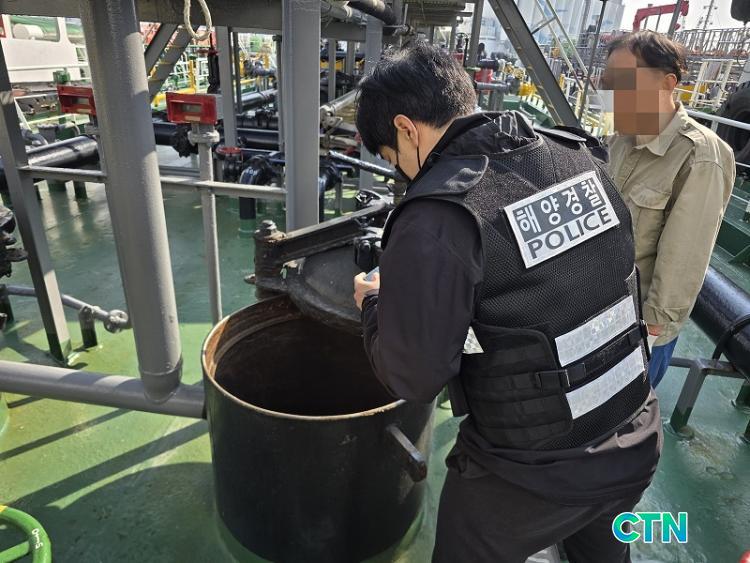
사진=해양경찰청 제공
[해양경찰청/CTN]가요진 기자= 장인식 해경청장 직무대행이 해상 석유 불법유통 단속의 중요성을 강조하며 "유가 불안을 악용하는 범죄는 민생 경제를 위협하는 중대한 행위"라며 "고질적인 해상유 불법유통 행위에 대하여 일회성이 아닌 특별 단속이 끝난 후에도 주요 해역을 중심으로 상시 단속 체제를 유지하고, 적발된 불법 행위에 대해서는 무관용 원칙으로 엄정하게 수사하겠다"라고 밝혔다.
해양경찰청(청장 직무대행 장인식)은 2026년 3월 11일부터 7월 31일까지 실시한 해상 석유 불법유통 특별 단속 결과, 총 31건 67명을 검거했다고 발표했다. 해양경찰청에 따르면 이번 특별단속은 전국 경찰서 수사과에 전담반을 구성하여 주요 항·포구 및 해상 유류 운반선 등을 대상으로 집중 실시됐다.
유형별로는 출처 불분명 무자료 유류 유통 행위가 21건 55명(구속 1명), 어업용 면세유 용도 외 부정 사용 및 허위 출·입항을 통한 부정 수급 행위가 10건 12명으로 집계됐다. 해양경찰청은 특별 단속 기간 중 적발된 불법 유류량은 총 84,456㎘에 달하며, 해수부·국세청·관세청과의 공조를 통해 상시 단속 체제를 유지할 방침이라고 덧붙였다.
이처럼 유가 상승기를 틈탄 해상 석유 불법유통 범죄를 차단하기 위해 유관기관 공조 체계를 구축하고 전담반을 투입해 대규모 적발 성과를 낸 것은 민생 경제와 해상 유류 유통 질서를 확립하는 차원에서 필요한 수사 성과로 볼 수 있다.
다만 검거된 전체 67명 중 실제 검찰에 송치된 인원은 19명(25.8%)에 불과하고, 나머지 74.2%(48명)는 여전히 수사가 진행 중인 상태에서 서둘러 대대적인 보도자료를 내어 치적을 홍보하는 것은 전형적인 실적 부풀리기식 행정이라는 지적을 피하기 어렵다. 단순한 기간 정해놓기식 특별 단속이나 수사적 상시 단속 약속에 머물 것이 아니라, 수사 중인 사건의 신속한 마무리와 함께 정기적인 해상 유류 공급망 실시간 모니터링 시스템 구축 등 현장에서 당장 체감할 수 있는 실리적 예방 인프라 조성이 우선되어야 할 것으로 보인다.
[영문번역 기사-AI활용]
In-sik Jang, Acting Commissioner of the Korea Coast Guard, stated regarding maritime fuel enforcement, "Crimes exploiting oil price instability are serious acts threatening public livelihood. We will maintain constant enforcement even after special crackdowns." The Korea Coast Guard (Acting Commissioner In-sik Jang) announced on August 14 that it arrested 67 individuals in 31 cases during a special crackdown on illegal maritime oil distribution from March 11 to July 31.
According to the Coast Guard, dedicated task forces conducted targeted operations across major ports and oil tankers nationwide.
Categorically, illegal distribution of undocumented oil accounted for 21 cases and 55 individuals (1 arrested), while tax-exempt fishery fuel misuse and fraudulent claims accounted for 10 cases and 12 individuals. A total of 84,456 ㎘ of illegal oil was identified, and the agency added it will maintain joint enforcement with relevant ministries.
While deploying dedicated task forces to intercept illegal maritime oil distribution during periods of oil price volatility offers a plausible narrative for protecting market order, skepticism remains.
Critics point out that with 74.2% (48 out of 67) of those arrested still under investigation and only 25.8% formally forwarded to prosecutors, rushing to publish grand enforcement statistics borders on administrative showmanship and excessive self-praise. Rather than relying on temporary enforcement periods or rhetorical zero-tolerance promises, the agency needs practical measures, such as establishing real-time maritime fuel supply chain monitoring systems to prevent recurring illegal distribution.
해양경찰청(청장 직무대행 장인식)은 2026년 3월 11일부터 7월 31일까지 실시한 해상 석유 불법유통 특별 단속 결과, 총 31건 67명을 검거했다고 발표했다. 해양경찰청에 따르면 이번 특별단속은 전국 경찰서 수사과에 전담반을 구성하여 주요 항·포구 및 해상 유류 운반선 등을 대상으로 집중 실시됐다.
유형별로는 출처 불분명 무자료 유류 유통 행위가 21건 55명(구속 1명), 어업용 면세유 용도 외 부정 사용 및 허위 출·입항을 통한 부정 수급 행위가 10건 12명으로 집계됐다. 해양경찰청은 특별 단속 기간 중 적발된 불법 유류량은 총 84,456㎘에 달하며, 해수부·국세청·관세청과의 공조를 통해 상시 단속 체제를 유지할 방침이라고 덧붙였다.
이처럼 유가 상승기를 틈탄 해상 석유 불법유통 범죄를 차단하기 위해 유관기관 공조 체계를 구축하고 전담반을 투입해 대규모 적발 성과를 낸 것은 민생 경제와 해상 유류 유통 질서를 확립하는 차원에서 필요한 수사 성과로 볼 수 있다.
다만 검거된 전체 67명 중 실제 검찰에 송치된 인원은 19명(25.8%)에 불과하고, 나머지 74.2%(48명)는 여전히 수사가 진행 중인 상태에서 서둘러 대대적인 보도자료를 내어 치적을 홍보하는 것은 전형적인 실적 부풀리기식 행정이라는 지적을 피하기 어렵다. 단순한 기간 정해놓기식 특별 단속이나 수사적 상시 단속 약속에 머물 것이 아니라, 수사 중인 사건의 신속한 마무리와 함께 정기적인 해상 유류 공급망 실시간 모니터링 시스템 구축 등 현장에서 당장 체감할 수 있는 실리적 예방 인프라 조성이 우선되어야 할 것으로 보인다.
[영문번역 기사-AI활용]
In-sik Jang, Acting Commissioner of the Korea Coast Guard, stated regarding maritime fuel enforcement, "Crimes exploiting oil price instability are serious acts threatening public livelihood. We will maintain constant enforcement even after special crackdowns." The Korea Coast Guard (Acting Commissioner In-sik Jang) announced on August 14 that it arrested 67 individuals in 31 cases during a special crackdown on illegal maritime oil distribution from March 11 to July 31.
According to the Coast Guard, dedicated task forces conducted targeted operations across major ports and oil tankers nationwide.
Categorically, illegal distribution of undocumented oil accounted for 21 cases and 55 individuals (1 arrested), while tax-exempt fishery fuel misuse and fraudulent claims accounted for 10 cases and 12 individuals. A total of 84,456 ㎘ of illegal oil was identified, and the agency added it will maintain joint enforcement with relevant ministries.
While deploying dedicated task forces to intercept illegal maritime oil distribution during periods of oil price volatility offers a plausible narrative for protecting market order, skepticism remains.
Critics point out that with 74.2% (48 out of 67) of those arrested still under investigation and only 25.8% formally forwarded to prosecutors, rushing to publish grand enforcement statistics borders on administrative showmanship and excessive self-praise. Rather than relying on temporary enforcement periods or rhetorical zero-tolerance promises, the agency needs practical measures, such as establishing real-time maritime fuel supply chain monitoring systems to prevent recurring illegal distribution.
 |
가요진 기자 gyj1119@naver.com
|