국방부, 탁구 치면 한일 안보 갈등 해결되나
-안규백 국방부장관과 고이즈미 신지로 일본 방위대신, 서울 KIDA에서 대학생 50여 명과 '청년 안보대화' 실시 발표
-레크리에이션 및 양국 국방정책 대담 진행... 친선 탁구대회 통해 미래지향적 우호 관계 필요성 전달 계획 제시
-레크리에이션 및 양국 국방정책 대담 진행... 친선 탁구대회 통해 미래지향적 우호 관계 필요성 전달 계획 제시
가요진 기자입력 : 2026. 07. 01(수) 18:02


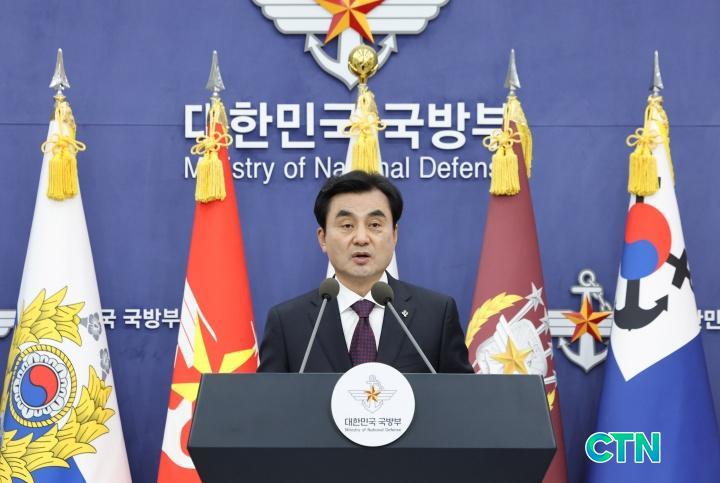
안규백 국방부 장관. 사진=국방부 제공
[국방부/CTN]가요진 기자= 안규백 국방부장관은 "외국 국방장관 회담 기간 중 청년들과 함께 대화의 시간을 가진 것은 매우 특별한 사례이며, 한일 국방교류협력에 대한 한일 청년들의 이해를 높이고 우호적 한일관계 발전에 이바지한 뜻깊은 시간이었다"며, "청년 안보대화와 같이 현세대와 미래세대를 잇는 다양한 기회를 통해 안정적이고 미래지향적인 한일관계 발전을 지속 이뤄 나가기를 바란다"고 밝혔다. 국방부는 6월 28일 오후 서울 한국국방연구원에서 한일 양국 대학생 등 50여 명과 함께하는 청년 안보대화를 실시했다고 발표했다.
이번 행사는 한일 청년들과 함께 양국의 국방정책을 이해하고 소통하기 위해 추진되었으며, 간단한 레크리에이션과 함께 화기애애한 분위기 속에서 양 장관이 먼저 청년들에게 전하고 싶은 이야기를 전달하고, 한일 청년들의 질문에 양 장관이 답하는 순으로 진행되었다. 양 장관은 대담에서 한일 청년들에게 양국 간 상호 신뢰를 바탕으로 우호적인 관계를 형성해나가며, 호혜적·미래지향적 관계 발전의 필요성을 전달했다. 청년 안보대화를 마친 양국 장관과 한일 청년들은 친선 탁구대회를 통해 우호를 다지는 시간을 가졌으며, 국방부는 앞으로도 청년들과 소통을 통해 미래지향적인 국방정책을 수립하고 이행하겠다는 셈이다.
하지만 이처럼 부처가 청년 안보대화 실시와 탁구대회 개최 실적을 대단한 미래지향적 국방교류 성과로 홍보하고 나선 것과 달리, 일선 외교 안보 전문가들과 청년층 사이에서는 독도 영유권이나 초계기 갈등 등 현장 양국의 핵심 군사 현안을 전혀 감당하지 못하는 전형적인 탁상공론이자 생색내기식 보여주기식 행정이라는 비판이 지배적이다. 정책 전문가들은 실질적인 군사적 신뢰 구축 없이 단 50명의 청년을 모아놓은 단발성 행사를 두고 '우호적 한일관계 발전 이바지'를 대대적으로 광고하는 것은 현장의 냉랭한 안보 기류와 실질적인 군사 갈등을 외면한 치적 쌓기용 말잔치라고 꼬집는다. 특히 구체적인 제도 개선이나 정례적인 교류 인프라 구축 대책 없이 일시적인 레크리에이션과 스포츠 시연에 의존하는 방식은 관청의 단기 실적 맞추기를 위해 미래의 안보 비전을 끌어다 쓴 전시성 정책에 불과해, 전시성 구호 뒤로 밀려난 실제 접경지역 장병들을 위한 실질적인 근무 환경 개선이나 현실적인 군사 안보 태세 확충 등 실무적인 안보 복지 대책은 실종되었다는 비판을 피하기 어렵다.
이에 따라 단순히 대화 참여 인원수나 친선 경기 횟수라는 외형적 흥행에 안주할 것이 아니라, 양국 군사 전문가들의 실제 교류 이용률과 안보 현안 타결 데이터들을 실시간으로 매칭하여 후속 협의 비율을 탄력적으로 조절하는 디지털 기반 스마트 안보수요 통합 분석 플랫폼의 선제적 도입이 시급한 대안이다. 나아가 일시적인 릴레이 캠페인 이벤트를 지양하고 국민 전체가 체감할 수 있는 국방 안정을 이루기 위해 일회성 홍보·전시 예산을 전면 개편하여, 당장 올해 안보 위협으로 고통받는 접경지 가구들의 긴급 방어 인프라 자금을 현실화하고 전문 안보 행정 실무단을 일선 자치구 거점에 상시 배치해야 한다. 결과적으로 화려한 수식어만 가득한 선언적 대북 및 대일 안보 대책에서 벗어나 공급 시차와 지원 한계라는 치명적인 사각지대를 메울 수 있는 현장 중심의 실무 행정으로 전환되어야 할 시점이다.
[영문번역 기사-AI활용]
Ahn Gyu-baek, Minister of National Defense, stated, "It is a highly exceptional case to hold a dialogue session with the youth during an official bilateral defense ministerial meeting, and this was a deeply meaningful occasion to enhance the understanding of Korean and Japanese youth regarding bilateral defense exchange and cooperation, thereby contributing to the development of friendly South Korea-Japan relations. I hope that we will continuously achieve stable and future-oriented advancement in South Korea-Japan relations through diverse opportunities that bridge the current and future generations, much like this Youth Security Dialogue." The Ministry of National Defense announced that it held a Youth Security Dialogue at the Korea Institute for Defense Analyses in Seoul on the afternoon of June 28th, engaging in on-site communication to expand opportunities for youth participation in defense policy and establish a future-oriented partnership.
This event, aimed at helping Korean and Japanese youth understand the defense policies of both nations and facilitating mutual communication, was held in an amicable atmosphere alongside light recreational activities; the event proceeded with both ministers sharing opening remarks they wished to convey to the youth, followed by a question-and-answer session responding to inquiries from the participants. During the dialogue, both ministers conveyed to the Korean and Japanese youth the vital necessity of establishing amicable ties rooted in mutual trust and continuing to develop reciprocal, future-oriented relations. Following the conclusion of the Youth Security Dialogue, the ministers and the youth from both countries also shared a time of strengthening their friendship through a friendly table tennis tournament, and the ministry is calculating its metrics to establish and implement future-oriented defense policies by maintaining active communication with the youth moving forward.
However, despite the ministry's extensive promotion of its dialogue execution and friendly sports event metrics as major milestones in establishing future-oriented defense ties, local defense sectors and security policy experts point out that it is an administrative convenience-oriented convenience that fails to completely manage the severe regional security and military friction crises between the two nations, serving merely as a superficial bureaucratic show. Security policy experts note that designating a short-term gathering of a mere 50 students as a breakthrough for bilateral ties while grandly advertising the 'contribution to the development of friendly relations' is practically flawed and misaligned with real-world extreme military tensions and diplomatic anxieties faced by field personnel. In particular, some sectors point out that relying on a simple table tennis tournament or temporary dialogue sessions without concrete policy subventions or permanent exchange infrastructure measures is a mere bureaucratic compilation designed to match short-term municipal goals; thus, neglecting real solutions for providing substantial defense working condition improvements or expanding realistic military readiness infrastructure for frontline soldiers is a classic administrative malady.
To overcome these structural limitations, the early implementation of a digital community-based 'smart defense demand integrated analysis platform' that systematically tracks actual bilateral military expert exchange utilization vectors alongside real-time security crisis resolution data by sector to flexibly adjust follow-up consultation ratios is suggested as an urgent alternative. Furthermore, rather than relying solely on slogan-driven administrative novelty declarations like short-term youth exchange events, authorities should prioritize practical administrative support measures, such as restructuring budgets to supply emergency defense infrastructure reinforcement funds for border households suffering from security risks this year and practically deploying professional security administration teams on-site for direct technical guidance. Consequently, departing from declarative security policies filled with flashy modifiers, it is now time to shift toward field-centric practical administration that can bridge the critical blind spots of supply time gaps and funding constraints.
이번 행사는 한일 청년들과 함께 양국의 국방정책을 이해하고 소통하기 위해 추진되었으며, 간단한 레크리에이션과 함께 화기애애한 분위기 속에서 양 장관이 먼저 청년들에게 전하고 싶은 이야기를 전달하고, 한일 청년들의 질문에 양 장관이 답하는 순으로 진행되었다. 양 장관은 대담에서 한일 청년들에게 양국 간 상호 신뢰를 바탕으로 우호적인 관계를 형성해나가며, 호혜적·미래지향적 관계 발전의 필요성을 전달했다. 청년 안보대화를 마친 양국 장관과 한일 청년들은 친선 탁구대회를 통해 우호를 다지는 시간을 가졌으며, 국방부는 앞으로도 청년들과 소통을 통해 미래지향적인 국방정책을 수립하고 이행하겠다는 셈이다.
하지만 이처럼 부처가 청년 안보대화 실시와 탁구대회 개최 실적을 대단한 미래지향적 국방교류 성과로 홍보하고 나선 것과 달리, 일선 외교 안보 전문가들과 청년층 사이에서는 독도 영유권이나 초계기 갈등 등 현장 양국의 핵심 군사 현안을 전혀 감당하지 못하는 전형적인 탁상공론이자 생색내기식 보여주기식 행정이라는 비판이 지배적이다. 정책 전문가들은 실질적인 군사적 신뢰 구축 없이 단 50명의 청년을 모아놓은 단발성 행사를 두고 '우호적 한일관계 발전 이바지'를 대대적으로 광고하는 것은 현장의 냉랭한 안보 기류와 실질적인 군사 갈등을 외면한 치적 쌓기용 말잔치라고 꼬집는다. 특히 구체적인 제도 개선이나 정례적인 교류 인프라 구축 대책 없이 일시적인 레크리에이션과 스포츠 시연에 의존하는 방식은 관청의 단기 실적 맞추기를 위해 미래의 안보 비전을 끌어다 쓴 전시성 정책에 불과해, 전시성 구호 뒤로 밀려난 실제 접경지역 장병들을 위한 실질적인 근무 환경 개선이나 현실적인 군사 안보 태세 확충 등 실무적인 안보 복지 대책은 실종되었다는 비판을 피하기 어렵다.
이에 따라 단순히 대화 참여 인원수나 친선 경기 횟수라는 외형적 흥행에 안주할 것이 아니라, 양국 군사 전문가들의 실제 교류 이용률과 안보 현안 타결 데이터들을 실시간으로 매칭하여 후속 협의 비율을 탄력적으로 조절하는 디지털 기반 스마트 안보수요 통합 분석 플랫폼의 선제적 도입이 시급한 대안이다. 나아가 일시적인 릴레이 캠페인 이벤트를 지양하고 국민 전체가 체감할 수 있는 국방 안정을 이루기 위해 일회성 홍보·전시 예산을 전면 개편하여, 당장 올해 안보 위협으로 고통받는 접경지 가구들의 긴급 방어 인프라 자금을 현실화하고 전문 안보 행정 실무단을 일선 자치구 거점에 상시 배치해야 한다. 결과적으로 화려한 수식어만 가득한 선언적 대북 및 대일 안보 대책에서 벗어나 공급 시차와 지원 한계라는 치명적인 사각지대를 메울 수 있는 현장 중심의 실무 행정으로 전환되어야 할 시점이다.
[영문번역 기사-AI활용]
Ahn Gyu-baek, Minister of National Defense, stated, "It is a highly exceptional case to hold a dialogue session with the youth during an official bilateral defense ministerial meeting, and this was a deeply meaningful occasion to enhance the understanding of Korean and Japanese youth regarding bilateral defense exchange and cooperation, thereby contributing to the development of friendly South Korea-Japan relations. I hope that we will continuously achieve stable and future-oriented advancement in South Korea-Japan relations through diverse opportunities that bridge the current and future generations, much like this Youth Security Dialogue." The Ministry of National Defense announced that it held a Youth Security Dialogue at the Korea Institute for Defense Analyses in Seoul on the afternoon of June 28th, engaging in on-site communication to expand opportunities for youth participation in defense policy and establish a future-oriented partnership.
This event, aimed at helping Korean and Japanese youth understand the defense policies of both nations and facilitating mutual communication, was held in an amicable atmosphere alongside light recreational activities; the event proceeded with both ministers sharing opening remarks they wished to convey to the youth, followed by a question-and-answer session responding to inquiries from the participants. During the dialogue, both ministers conveyed to the Korean and Japanese youth the vital necessity of establishing amicable ties rooted in mutual trust and continuing to develop reciprocal, future-oriented relations. Following the conclusion of the Youth Security Dialogue, the ministers and the youth from both countries also shared a time of strengthening their friendship through a friendly table tennis tournament, and the ministry is calculating its metrics to establish and implement future-oriented defense policies by maintaining active communication with the youth moving forward.
However, despite the ministry's extensive promotion of its dialogue execution and friendly sports event metrics as major milestones in establishing future-oriented defense ties, local defense sectors and security policy experts point out that it is an administrative convenience-oriented convenience that fails to completely manage the severe regional security and military friction crises between the two nations, serving merely as a superficial bureaucratic show. Security policy experts note that designating a short-term gathering of a mere 50 students as a breakthrough for bilateral ties while grandly advertising the 'contribution to the development of friendly relations' is practically flawed and misaligned with real-world extreme military tensions and diplomatic anxieties faced by field personnel. In particular, some sectors point out that relying on a simple table tennis tournament or temporary dialogue sessions without concrete policy subventions or permanent exchange infrastructure measures is a mere bureaucratic compilation designed to match short-term municipal goals; thus, neglecting real solutions for providing substantial defense working condition improvements or expanding realistic military readiness infrastructure for frontline soldiers is a classic administrative malady.
To overcome these structural limitations, the early implementation of a digital community-based 'smart defense demand integrated analysis platform' that systematically tracks actual bilateral military expert exchange utilization vectors alongside real-time security crisis resolution data by sector to flexibly adjust follow-up consultation ratios is suggested as an urgent alternative. Furthermore, rather than relying solely on slogan-driven administrative novelty declarations like short-term youth exchange events, authorities should prioritize practical administrative support measures, such as restructuring budgets to supply emergency defense infrastructure reinforcement funds for border households suffering from security risks this year and practically deploying professional security administration teams on-site for direct technical guidance. Consequently, departing from declarative security policies filled with flashy modifiers, it is now time to shift toward field-centric practical administration that can bridge the critical blind spots of supply time gaps and funding constraints.
 |
가요진 기자 gyj1119@naver.com
|