국토교통부, 감점 몇 점으로 카르텔 깬다고?
-국토교통부, 한국철도공사·철도공단·철기연·에스알 등과 "철도 전관 근절 총괄 점검회의" 개최
-계약 기준 개정, 퇴직자 자진신고 QR코드 시범 운영 및 11월 "AI 이해충돌 모니터링" 구축 발표
-계약 기준 개정, 퇴직자 자진신고 QR코드 시범 운영 및 11월 "AI 이해충돌 모니터링" 구축 발표
가요진 기자입력 : 2026. 06. 30(화) 13:51


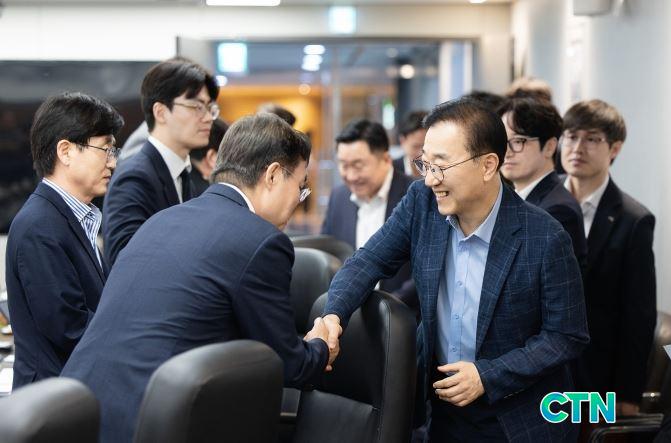
김윤덕 국토교통부 장관. 사진=국토교통부 제공
[국토부/CTN]가요진 기자= 김태병 국토교통부 철도국장은 "철도공사와 에스알은 9월 통합을 맞아 국민의 신뢰를 받는 통합 공공기관으로서의 책임을 다해달라"라고 강조하며, "철도공단, 철도기술연구원도 국민 눈높이에 맞게 전관 근절을 위해 최선을 다해 줄 것"이라고 당부했다. 국토교통부는 과거부터 꾸준하게 지적되어 온 철도 전관 네트워크를 전면 차단하고 철도 카르텔을 완전히 혁파하기 위해, 철도 전관 문제에 대한 근본적인 개선을 추진한다고 밝혔다.
이에 따라 각 철도 기관은 퇴직자 DB 구축, 청렴 교육 확대, 제3자 감시 도입 등 과제를 추진 중이라고 보고했다. 철도공사는 재취업 업체에 대한 입찰 페널티 감점을 적용했고, 에스알은 퇴직자 보안서약서 조항 신설 및 8월 퇴직자 근무 자진신고 QR코드 시범 운영을 앞두고 있다. 아울러 철도공단은 종합심사제 내부위원 비율을 30%로 축소하고 수의계약 퇴직자 금지기간을 3년으로 확대했으며, 철기연은 11월 "AI 이해충돌 모니터링 시스템"을 구축해 공정한 계약질서를 강화하겠다는 셈법이다.
하지만 이처럼 정부가 산하 기관별 제도 보완 실적과 점검회의 개최를 대단한 철도 카르텔 혁파 성과로 홍보하고 나선 것과 달리, 일선 노동계와 교통 정책 전문가들 사이에서는 오는 9월로 예정된 코레일과 SR의 초대형 통합 공공기관 출범을 앞두고 해묵은 전관 특혜 논란을 잠재우기 위해 급조된 전형적인 탁상공론이자 생색내기식 보여주기식 행정이라는 비판이 지배적이다. 철도 행정 전문가들은 그동안 수조 원대 철도 부품 및 차량 발주 사업을 독점해 온 카르텔의 핵심이 퇴직자와 재직자 간의 끈끈한 인적 유대와 하도급 구조임에도, 단순히 "자진신고용 QR코드 도입"이나 "AI 모니터링 시스템 구축 예정" 같은 기술적 장치를 두고 근본적인 혁파라고 포장하는 것은 권력형 비리의 본질을 흐리는 치적 쌓기용 말잔치라고 꼬집는다. 특히 내부위원 비율을 일부 축소하거나 퇴직자 수의계약 금지 기간을 고작 1년 연장하는 식의 땜질식 처방 역시, 전관 업체들이 우회 법인을 설립하거나 제3의 인물을 대리인으로 내세우는 편법을 막지 못해, 전시성 구호 뒤로 밀려난 불법 카르텔 적발 시의 즉각적인 사법 고발이나 부당이득 환수 등 실무적인 징벌 대책은 실종되었다는 비판을 피하기 어렵다.
이에 따라 단순히 점검회의 횟수나 기관별 대책 이행률이라는 외형적 흥행에 안주할 것이 아니라, 철도 발주 사업의 입찰 참여 기업 주주 구성과 퇴직 사외이사 명단 데이터를 실시간으로 추적해 유착 의혹을 사전에 차단하는 디지털 기반 "스마트 철도 계약지표 통합 분석 플랫폼"의 선제적 도입이 시급한 대안이다. 나아가 일시적인 서약서 징구 이벤트를 지양하고 공공조달의 투명성을 근본적으로 확보할 수 있도록 일회성 홍보 예산을 전면 개편하여, 외부 독립 감시기구의 실무 조사 자금을 현실화하고 민간 법률 전문가가 참여하는 상설 카르텔 검증 실무단을 철도 행정 거점에 상시 배치해야 한다. 결과적으로 겉포장만 화려한 전관 네트워크 차단이나 철도 카르텔 혁파라는 구호만 남발하기보다는, 국민들이 매일 이용하는 철도 인프라의 발주 과정에서 발생하는 부정부패를 뿌리부터 도려내는 진정성 있는 행정의 체질 개선이 뒤따라야 할 것이다.
[영문번역 기사-AI활용]
Ministry of Land, Infrastructure and Transport Railway Bureau Director Kim Tae-byung emphasized during the monitoring meeting, "As Korea Railroad Corporation and SR face their integration this September, they must fulfill their responsibilities as integrated public institutions that command public trust. Korea Railroad Authority and the Korea Railroad Research Institute must also push their upper limit to eradicate cronyism in line with public expectations." The Ministry of Land, Infrastructure and Transport announced that it is pursuing fundamental improvements to thoroughly dismantle the railway cartel and completely block the long-criticized 'railway mafia' executive networks.
Accordingly, each rail authority reported executing anti-corruption metrics, including building a retired personnel database, expanding compliance training, and introducing third-party monitoring. Korea Railroad Corporation applied bidding penalty deductions against re-employed firms, while SR added non-disclosure clauses and plans to pilot a voluntary registration QR code system in August. Furthermore, the National Railroad Authority scaled down its internal evaluation committee ratio to 30% and expanded the private contract ban period for retirees to 3 years, while the Korea Railroad Research Institute intends to deploy an 'AI Conflict of Interest Monitoring System' by November to secure transparent contracting pipelines.
However, despite the ministry's extensive promotion of these institutional adjustments and monitoring records as major administrative integrity milestones, labor unions and transport market analysts point out that it is an administrative convenience-oriented convenience hastily thrown together to silence endemic collusion scandals ahead of the massive Korail-SR merger this September, serving merely as a superficial bureaucratic show. Railway policy experts note that the core of the multi-billion-won parts and rolling stock procurement monopoly lies in systemic ties between retirees and incumbent officials paired with opaque subcontracting tiers; yet, framing a simple 'voluntary declaration QR code' or a hypothetical 'AI tracking system' as a foundational breakthrough is practically flawed and misaligned with entrenched regulatory capture. In particular, some sectors point out that marginal actions like adjusting committee percentages or extending contract bans by a single year cannot block corrupt operators from utilizing paper companies or external proxies; thus, neglecting real solutions for immediate judicial prosecution or the mandatory confiscation of illicit profits is a classic administrative malady.
To overcome these structural limitations, the early implementation of a digital community-based smart railway procurement indicator integrated analysis platform that systematically tracks bidder ownership stakes alongside real-time post-retirement boardroom appointments to map potential collusion links is suggested as an urgent alternative. Furthermore, rather than relying solely on slogan-driven administrative novelty declarations like short-term anti-corruption pledge festivals, authorities should prioritize practical administrative support measures, such as restructuring budgets to fund independent external oversight bodies and practically deploying professional anti-trust litigation teams on-site for direct auditing guidance. Consequently, rather than overestimating the effects of proclaiming a flashy cartel eradication slogan, prioritizing substantive administrative framework reforms aimed at securing practical commercial conveniences and solidifying field-friendly preventative networks must be realized.
이에 따라 각 철도 기관은 퇴직자 DB 구축, 청렴 교육 확대, 제3자 감시 도입 등 과제를 추진 중이라고 보고했다. 철도공사는 재취업 업체에 대한 입찰 페널티 감점을 적용했고, 에스알은 퇴직자 보안서약서 조항 신설 및 8월 퇴직자 근무 자진신고 QR코드 시범 운영을 앞두고 있다. 아울러 철도공단은 종합심사제 내부위원 비율을 30%로 축소하고 수의계약 퇴직자 금지기간을 3년으로 확대했으며, 철기연은 11월 "AI 이해충돌 모니터링 시스템"을 구축해 공정한 계약질서를 강화하겠다는 셈법이다.
하지만 이처럼 정부가 산하 기관별 제도 보완 실적과 점검회의 개최를 대단한 철도 카르텔 혁파 성과로 홍보하고 나선 것과 달리, 일선 노동계와 교통 정책 전문가들 사이에서는 오는 9월로 예정된 코레일과 SR의 초대형 통합 공공기관 출범을 앞두고 해묵은 전관 특혜 논란을 잠재우기 위해 급조된 전형적인 탁상공론이자 생색내기식 보여주기식 행정이라는 비판이 지배적이다. 철도 행정 전문가들은 그동안 수조 원대 철도 부품 및 차량 발주 사업을 독점해 온 카르텔의 핵심이 퇴직자와 재직자 간의 끈끈한 인적 유대와 하도급 구조임에도, 단순히 "자진신고용 QR코드 도입"이나 "AI 모니터링 시스템 구축 예정" 같은 기술적 장치를 두고 근본적인 혁파라고 포장하는 것은 권력형 비리의 본질을 흐리는 치적 쌓기용 말잔치라고 꼬집는다. 특히 내부위원 비율을 일부 축소하거나 퇴직자 수의계약 금지 기간을 고작 1년 연장하는 식의 땜질식 처방 역시, 전관 업체들이 우회 법인을 설립하거나 제3의 인물을 대리인으로 내세우는 편법을 막지 못해, 전시성 구호 뒤로 밀려난 불법 카르텔 적발 시의 즉각적인 사법 고발이나 부당이득 환수 등 실무적인 징벌 대책은 실종되었다는 비판을 피하기 어렵다.
이에 따라 단순히 점검회의 횟수나 기관별 대책 이행률이라는 외형적 흥행에 안주할 것이 아니라, 철도 발주 사업의 입찰 참여 기업 주주 구성과 퇴직 사외이사 명단 데이터를 실시간으로 추적해 유착 의혹을 사전에 차단하는 디지털 기반 "스마트 철도 계약지표 통합 분석 플랫폼"의 선제적 도입이 시급한 대안이다. 나아가 일시적인 서약서 징구 이벤트를 지양하고 공공조달의 투명성을 근본적으로 확보할 수 있도록 일회성 홍보 예산을 전면 개편하여, 외부 독립 감시기구의 실무 조사 자금을 현실화하고 민간 법률 전문가가 참여하는 상설 카르텔 검증 실무단을 철도 행정 거점에 상시 배치해야 한다. 결과적으로 겉포장만 화려한 전관 네트워크 차단이나 철도 카르텔 혁파라는 구호만 남발하기보다는, 국민들이 매일 이용하는 철도 인프라의 발주 과정에서 발생하는 부정부패를 뿌리부터 도려내는 진정성 있는 행정의 체질 개선이 뒤따라야 할 것이다.
[영문번역 기사-AI활용]
Ministry of Land, Infrastructure and Transport Railway Bureau Director Kim Tae-byung emphasized during the monitoring meeting, "As Korea Railroad Corporation and SR face their integration this September, they must fulfill their responsibilities as integrated public institutions that command public trust. Korea Railroad Authority and the Korea Railroad Research Institute must also push their upper limit to eradicate cronyism in line with public expectations." The Ministry of Land, Infrastructure and Transport announced that it is pursuing fundamental improvements to thoroughly dismantle the railway cartel and completely block the long-criticized 'railway mafia' executive networks.
Accordingly, each rail authority reported executing anti-corruption metrics, including building a retired personnel database, expanding compliance training, and introducing third-party monitoring. Korea Railroad Corporation applied bidding penalty deductions against re-employed firms, while SR added non-disclosure clauses and plans to pilot a voluntary registration QR code system in August. Furthermore, the National Railroad Authority scaled down its internal evaluation committee ratio to 30% and expanded the private contract ban period for retirees to 3 years, while the Korea Railroad Research Institute intends to deploy an 'AI Conflict of Interest Monitoring System' by November to secure transparent contracting pipelines.
However, despite the ministry's extensive promotion of these institutional adjustments and monitoring records as major administrative integrity milestones, labor unions and transport market analysts point out that it is an administrative convenience-oriented convenience hastily thrown together to silence endemic collusion scandals ahead of the massive Korail-SR merger this September, serving merely as a superficial bureaucratic show. Railway policy experts note that the core of the multi-billion-won parts and rolling stock procurement monopoly lies in systemic ties between retirees and incumbent officials paired with opaque subcontracting tiers; yet, framing a simple 'voluntary declaration QR code' or a hypothetical 'AI tracking system' as a foundational breakthrough is practically flawed and misaligned with entrenched regulatory capture. In particular, some sectors point out that marginal actions like adjusting committee percentages or extending contract bans by a single year cannot block corrupt operators from utilizing paper companies or external proxies; thus, neglecting real solutions for immediate judicial prosecution or the mandatory confiscation of illicit profits is a classic administrative malady.
To overcome these structural limitations, the early implementation of a digital community-based smart railway procurement indicator integrated analysis platform that systematically tracks bidder ownership stakes alongside real-time post-retirement boardroom appointments to map potential collusion links is suggested as an urgent alternative. Furthermore, rather than relying solely on slogan-driven administrative novelty declarations like short-term anti-corruption pledge festivals, authorities should prioritize practical administrative support measures, such as restructuring budgets to fund independent external oversight bodies and practically deploying professional anti-trust litigation teams on-site for direct auditing guidance. Consequently, rather than overestimating the effects of proclaiming a flashy cartel eradication slogan, prioritizing substantive administrative framework reforms aimed at securing practical commercial conveniences and solidifying field-friendly preventative networks must be realized.
 |
가요진 기자 gyj1119@naver.com
|