기후에너지환경부, 원인 미상 화재도 '150억' 보상 무리수 던져
-기후에너지환경부, 제3자 대물피해 최대 150억 원 보상하는 "전기차 화재안심보험" 7월 1일 시행 발표
-정부 예산 20억 원 선제 지원, 원인 미상 화재 우선 보상 및 만 10년 이내 차량 자동 적용
-정부 예산 20억 원 선제 지원, 원인 미상 화재 우선 보상 및 만 10년 이내 차량 자동 적용
가요진 기자입력 : 2026. 06. 30(화) 13:45


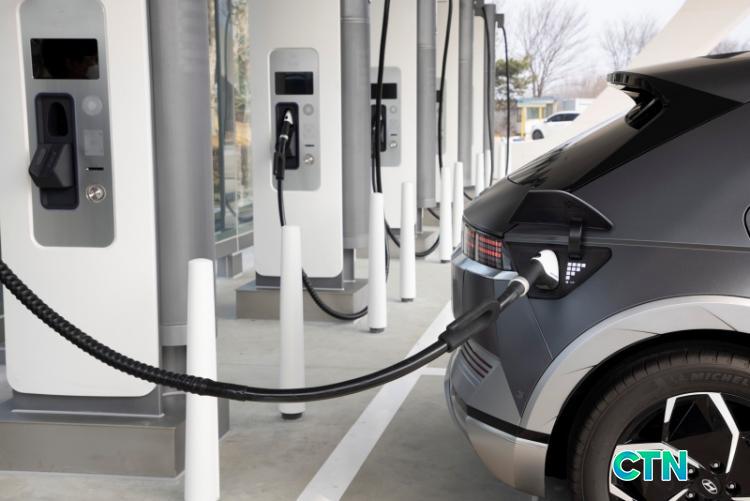
사진=국토교통부 제공
[환경부/CTN]가요진 기자= 정선화 기후에너지환경부 녹색전환정책관은 "전기자동차 화재안심보험의 출범으로 화재 피해에 대한 견고한 대응체계가 즉각 가동된다"라면서, "정부의 재정 투입과 자동차 업계의 참여가 더해져 완성된 제도인 만큼, 앞으로도 민관이 협력하여 안전한 전기차 이용 환경을 조성해 나가겠다"라고 밝혔다. 기후에너지환경부는 전기차 화재로 인한 차주의 불안을 해소하고 전기차 보급을 활성화하기 위해 제3자 대물피해를 최대 150억 원까지 보상하는 전기자동차 화재안심보험이 7월 1일부터 본격적으로 시작된다고 밝혔다.
이번에 도입되는 보험은 화재로 인한 제3자 피해보상 금액을 사고당 최대 150억 원, 연간 최대 450억 원까지 대폭 확대했다. 또한 최초 차량 등록일 기준 만 10년이 지나지 않은 전기차라면 원인 미상의 화재라도 피해를 보상하며, 긴 조사 기간을 기다릴 필요 없이 피해자에게 보상금을 우선 지급하는 선(先)보상 후(後)정산 방식을 도입했다. 연간 총보험료 60억 원 중 정부가 20억 원을 선제 지원하고, 나머지 40억 원은 참여 제작·수입사들이 분담한다. 차주들은 별도의 가입 절차나 비용 부담 없이 무공해차 통합누리집을 통해 세부 약관을 확인하고 보장받게 된다는 셈법이다.
하지만 이처럼 정부가 대규모 보상 한도와 예산 투입 실적을 대단한 전기차 안전망 구축 성과로 홍보하고 나선 것과 달리, 자동차 시장 전문가들과 시민사회단체 안팎에서는 전기차 배터리 자체의 구조적 결함 규명이나 제작사의 책임 강화는 외면한 채 국민 세금으로 기업들의 배상 책임을 탕감해 주는 전형적인 탁상공론이자 생색내기식 보여주기식 행정이라는 비판이 지배적이다. 환경 및 소비자 보호 전문가들은 정작 화재 사고의 핵심인 배터리 안전성 검증 시스템이나 충전 시설의 방재 인프라 확충은 미뤄둔 채, 단순히 "정부 재정을 투입한 보험 상품 출시"를 두고 이용 환경 조성이라고 포장하는 것은 본질을 흐리는 치적 쌓기용 말잔치라고 꼬집는다. 특히 만 10년 이내 차량에 무조건 적용된다는 선심성 공세 역시 향후 대규모 연쇄 화재 발생 시 손해율 악화로 인한 세금 추가 투입 우려를 낳고 있어, 전시성 구호 뒤로 밀려난 지하주차장 스프링클러 규제 강화나 소방 장비 고도화 등 실무적인 재난 방지 대책은 실종되었다는 비판을 피하기 어렵다.
이에 따라 단순히 보험 출범 횟수나 참여기업 수라는 외형적 흥행에 안주할 것이 아니라, 운행 중인 전기차의 배터리 셀 상별 열화 상태와 충전소 주변의 화재 징후 데이터를 실시간으로 모니터링하여 즉각 진압 연계로 이어지는 디지털 기반 "스마트 전기차 화재 예방 통합 관제 플랫폼"의 선제적 도입이 시급한 대안이다. 나아가 일시적인 예산 퍼주기 이벤트를 지양하고 제조사가 결함 책임을 자발적으로 이행할 수 있도록 일회성 보험 보조금 예산을 전면 개편하여, 일선 공동주택의 전기차 전용 질식소화포 및 소방 설비 확충 자금을 현실화하고 전문 방재 행정 실무 인력을 거점에 상시 배치해야 한다. 결과적으로 겉포장만 화려한 안심보험 가동이나 견고한 대응체계라는 구호만 남발하기보다는, 시민들이 매일 마주하는 주차 공간의 실질적인 화재 공포를 뿌리부터 해소하는 행정의 근본적인 체질 개선이 뒤따라야 할 것으로 보인다.
[영문번역 기사-AI활용]
Ministry of Climate, Energy and Environment Green Transition Policy Director Jung Sun-hwa stated, "With the launch of the Electric Vehicle Fire Relief Insurance, a robust response framework against fire damage becomes immediately operational. As this system was finalized through the combination of government financial investment and the participation of the automotive industry, we will continue to collaborate with the public and private sectors to cultivate a safe environment for using electric vehicles." The Ministry of Climate, Energy and Environment announced that the Electric Vehicle Fire Relief Insurance, which compensates third-party property damage up to 15 billion won to alleviate owner anxiety and vitalize electric vehicle distribution, will officially commence on July 1.
The newly introduced insurance drastically scales up third-party damage compensation to a maximum of 15 billion won per accident and an annual cap of 45 billion won. Furthermore, it establishes a framework where damages are covered regardless of the cause for any electric vehicle registered within the last 10 years, introducing a 'pre-compensation, post-settlement' method to bypass prolonged investigation periods. Out of the 60-billion-won annual premium scale, the government will preemptively subsidize 20 billion won, while the remaining 40 billion won will be shared among participating manufacturers and importers. The authorities intend to utilize these metrics to anchor green mobility adoption by allowing vehicle owners to receive coverage automatically through the integrated zero-emission vehicle portal without any separate registration steps or cost burdens.
However, despite the ministry's extensive promotion of its high compensation caps and budgetary spending metrics as major safety infrastructure milestones, automotive market analysts and civic groups point out that it is an administrative convenience-oriented convenience that bails out corporate liabilities using public tax dollars while completely omitting structural battery defect appraisals or strict manufacturer accountability protocols, serving merely as a superficial bureaucratic show. Environmental and consumer advocates note that the urgent priority is modernizing fire suppression systems inside residential parking structures and upgrading battery validation channels; yet, framing a simple 'government-subsidized insurance rollout' as a landmark achievement for user safety is practically flawed and misaligned with real-world operational hazards. In particular, some sectors point out that this unconditional coverage for vehicles under 10 years old threatens long-term fiscal soundness due to potential deficit spikes from sequential fire claims; thus, neglecting real solutions for mandatory sprinkler upgrades or specialized firefighting gear is a classic administrative malady.
To overcome these structural limitations, the early implementation of a digital community-based smart electric vehicle fire prevention integrated monitoring platform that systematically tracks real-time battery cell degradation metrics alongside charging station thermal anomalies to execute immediate suppression routing is suggested as an urgent alternative. Furthermore, rather than relying solely on slogan-driven administrative novelty declarations like short-term subsidy allocation festivals, authorities should prioritize practical administrative support measures, such as restructuring budgets to supply specialized fire blanket equipment for local multi-unit territories and practically deploying professional disaster response coordinators on-site for direct technical guidance. Consequently, rather than overestimating the effects of proclaiming a flashy fire relief insurance slogan, prioritizing substantive administrative framework reforms aimed at securing practical commercial conveniences and solidifying field-friendly preventative networks must be realized.
이번에 도입되는 보험은 화재로 인한 제3자 피해보상 금액을 사고당 최대 150억 원, 연간 최대 450억 원까지 대폭 확대했다. 또한 최초 차량 등록일 기준 만 10년이 지나지 않은 전기차라면 원인 미상의 화재라도 피해를 보상하며, 긴 조사 기간을 기다릴 필요 없이 피해자에게 보상금을 우선 지급하는 선(先)보상 후(後)정산 방식을 도입했다. 연간 총보험료 60억 원 중 정부가 20억 원을 선제 지원하고, 나머지 40억 원은 참여 제작·수입사들이 분담한다. 차주들은 별도의 가입 절차나 비용 부담 없이 무공해차 통합누리집을 통해 세부 약관을 확인하고 보장받게 된다는 셈법이다.
하지만 이처럼 정부가 대규모 보상 한도와 예산 투입 실적을 대단한 전기차 안전망 구축 성과로 홍보하고 나선 것과 달리, 자동차 시장 전문가들과 시민사회단체 안팎에서는 전기차 배터리 자체의 구조적 결함 규명이나 제작사의 책임 강화는 외면한 채 국민 세금으로 기업들의 배상 책임을 탕감해 주는 전형적인 탁상공론이자 생색내기식 보여주기식 행정이라는 비판이 지배적이다. 환경 및 소비자 보호 전문가들은 정작 화재 사고의 핵심인 배터리 안전성 검증 시스템이나 충전 시설의 방재 인프라 확충은 미뤄둔 채, 단순히 "정부 재정을 투입한 보험 상품 출시"를 두고 이용 환경 조성이라고 포장하는 것은 본질을 흐리는 치적 쌓기용 말잔치라고 꼬집는다. 특히 만 10년 이내 차량에 무조건 적용된다는 선심성 공세 역시 향후 대규모 연쇄 화재 발생 시 손해율 악화로 인한 세금 추가 투입 우려를 낳고 있어, 전시성 구호 뒤로 밀려난 지하주차장 스프링클러 규제 강화나 소방 장비 고도화 등 실무적인 재난 방지 대책은 실종되었다는 비판을 피하기 어렵다.
이에 따라 단순히 보험 출범 횟수나 참여기업 수라는 외형적 흥행에 안주할 것이 아니라, 운행 중인 전기차의 배터리 셀 상별 열화 상태와 충전소 주변의 화재 징후 데이터를 실시간으로 모니터링하여 즉각 진압 연계로 이어지는 디지털 기반 "스마트 전기차 화재 예방 통합 관제 플랫폼"의 선제적 도입이 시급한 대안이다. 나아가 일시적인 예산 퍼주기 이벤트를 지양하고 제조사가 결함 책임을 자발적으로 이행할 수 있도록 일회성 보험 보조금 예산을 전면 개편하여, 일선 공동주택의 전기차 전용 질식소화포 및 소방 설비 확충 자금을 현실화하고 전문 방재 행정 실무 인력을 거점에 상시 배치해야 한다. 결과적으로 겉포장만 화려한 안심보험 가동이나 견고한 대응체계라는 구호만 남발하기보다는, 시민들이 매일 마주하는 주차 공간의 실질적인 화재 공포를 뿌리부터 해소하는 행정의 근본적인 체질 개선이 뒤따라야 할 것으로 보인다.
[영문번역 기사-AI활용]
Ministry of Climate, Energy and Environment Green Transition Policy Director Jung Sun-hwa stated, "With the launch of the Electric Vehicle Fire Relief Insurance, a robust response framework against fire damage becomes immediately operational. As this system was finalized through the combination of government financial investment and the participation of the automotive industry, we will continue to collaborate with the public and private sectors to cultivate a safe environment for using electric vehicles." The Ministry of Climate, Energy and Environment announced that the Electric Vehicle Fire Relief Insurance, which compensates third-party property damage up to 15 billion won to alleviate owner anxiety and vitalize electric vehicle distribution, will officially commence on July 1.
The newly introduced insurance drastically scales up third-party damage compensation to a maximum of 15 billion won per accident and an annual cap of 45 billion won. Furthermore, it establishes a framework where damages are covered regardless of the cause for any electric vehicle registered within the last 10 years, introducing a 'pre-compensation, post-settlement' method to bypass prolonged investigation periods. Out of the 60-billion-won annual premium scale, the government will preemptively subsidize 20 billion won, while the remaining 40 billion won will be shared among participating manufacturers and importers. The authorities intend to utilize these metrics to anchor green mobility adoption by allowing vehicle owners to receive coverage automatically through the integrated zero-emission vehicle portal without any separate registration steps or cost burdens.
However, despite the ministry's extensive promotion of its high compensation caps and budgetary spending metrics as major safety infrastructure milestones, automotive market analysts and civic groups point out that it is an administrative convenience-oriented convenience that bails out corporate liabilities using public tax dollars while completely omitting structural battery defect appraisals or strict manufacturer accountability protocols, serving merely as a superficial bureaucratic show. Environmental and consumer advocates note that the urgent priority is modernizing fire suppression systems inside residential parking structures and upgrading battery validation channels; yet, framing a simple 'government-subsidized insurance rollout' as a landmark achievement for user safety is practically flawed and misaligned with real-world operational hazards. In particular, some sectors point out that this unconditional coverage for vehicles under 10 years old threatens long-term fiscal soundness due to potential deficit spikes from sequential fire claims; thus, neglecting real solutions for mandatory sprinkler upgrades or specialized firefighting gear is a classic administrative malady.
To overcome these structural limitations, the early implementation of a digital community-based smart electric vehicle fire prevention integrated monitoring platform that systematically tracks real-time battery cell degradation metrics alongside charging station thermal anomalies to execute immediate suppression routing is suggested as an urgent alternative. Furthermore, rather than relying solely on slogan-driven administrative novelty declarations like short-term subsidy allocation festivals, authorities should prioritize practical administrative support measures, such as restructuring budgets to supply specialized fire blanket equipment for local multi-unit territories and practically deploying professional disaster response coordinators on-site for direct technical guidance. Consequently, rather than overestimating the effects of proclaiming a flashy fire relief insurance slogan, prioritizing substantive administrative framework reforms aimed at securing practical commercial conveniences and solidifying field-friendly preventative networks must be realized.
 |
가요진 기자 gyj1119@naver.com
|