에너지특화도시 나주, 239억 들여 설비 늘린다
기후에너지환경부 2027년 신재생에너지 융복합지원사업 A등급 획득 발표
2027년까지 486개소에 태양광·태양열·지열 설비 보급 및 선순환 구조 제시
2027년까지 486개소에 태양광·태양열·지열 설비 보급 및 선순환 구조 제시
하성매 기자입력 : 2026. 08. 11(화) 11:29


사진=나주시청 제공
[나주/CTN]하성매 기자= 윤병태 나주시장이 신재생에너지 공모 성과를 밝히며 "이번 A등급 선정은 그동안 신재생에너지 보급을 꾸준히 확대해 온 나주시의 노력과 시민들의 관심과 참여가 함께 만들어낸 성과다"라며 "앞으로도 신재생에너지 보급을 확대해 시민이 에너지를 생산하고 절약하며 혜택을 누릴 수 있는 지속 가능한 에너지특화도시 나주를 만들어가겠다"라고 밝혔다. 나주시(시장 윤병태)는 기후에너지환경부와 한국에너지공단이 추진한 '2027년 신재생에너지 융복합지원사업' 공개평가에서 A등급을 받았다고 8월 11일 발표했다.
나주시에 따르면 이번 평가에서 전국 173개 지자체 중 상위 10%에 해당하는 등급을 획득했다.
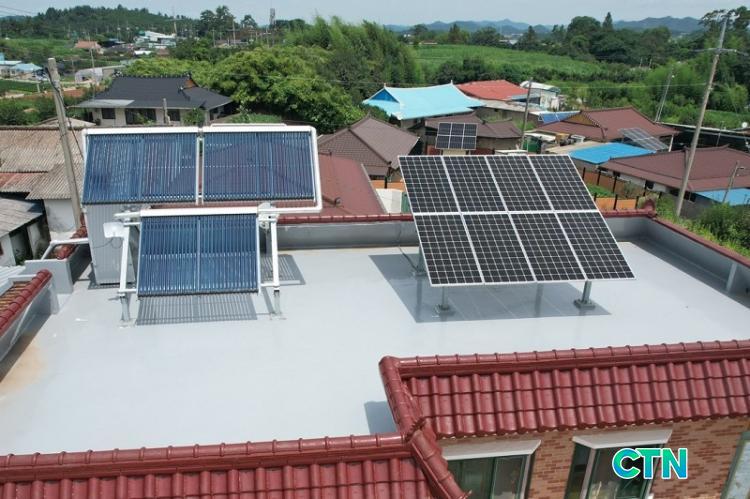
시는 2020년부터 약 239억 원을 투입해 주택과 건물 등 3천200여 개소에 신재생에너지 설비를 보급해 왔다. 나주시는 이번 성과를 바탕으로 2027년까지 태양광 417개소, 태양열 55개소, 지열 14개소 등 총 486개소에 설비를 추가 보급할 계획이다. 특히 공중목욕장 등 시민 이용 공간으로 대상을 확대하고 주민 에너지 비용 절감과 지역경제 활성화를 연결하는 선순환 구조를 제시했다고 덧붙였다.
이처럼 에너지 공공기관이 집적된 인프라를 활용해 공모 평가에서 우수한 성적을 거두고, 민간 주택과 공공 시설물로 태양광 및 지열 설비를 확대하는 것은 친환경 에너지 전환 측면에서 의미 있는 시도로 평가된다.
다만 중앙부처 평가 수치를 내세워 상위 10%에 선정된 점을 거창한 치적인 양 홍보하며 생색을 내는 것은 전형적인 실적 보여주기 행정이라는 지적을 피하기 어렵다. 평가 등급 자랑에 골몰할 것이 아니라, 수백억 원의 보조금이 들어가는 설비 업체의 시공 품질을 철저히 감독하고, 시간이 지나면서 효율이 떨어지거나 방치되는 태양광 패널의 사후 유지보수 인프라를 구축하는 등 시민들이 현장에서 체감할 수 있는 관리 대책이 우선되어야 할 것으로 보인다.
[영문번역 기사-AI활용]
Byung-tae Yoon, Mayor of Naju, stated regarding the evaluation result, "Receiving Grade A is the result of Naju's steady efforts to expand renewable energy and the active participation of our citizens. We will build a sustainable energy-specialized city where residents produce, save, and benefit from energy." Naju City, Jeonnam-Gwangju Special City (Mayor Byung-tae Yoon), announced on August 11 that it received Grade A in the '2027 Renewable Energy Convergence Support Project' evaluation conducted by the Ministry of Climate, Energy and Environment and the Korea Energy Agency.
According to the city, it ranked within the top 10% among 173 participating municipalities nationwide.
Naju has invested approximately 23.9 billion KRW since 2020 to install renewable facilities at 3,200 locations. Building on this score, the city plans to install solar, solar thermal, and geothermal systems across 486 new locations by 2027, extending targets to public facilities like community bathhouses.
While leveraging energy agency hubs to secure top evaluation marks and expanding solar panels to public properties offers a plausible narrative for green energy transition, skepticism remains.
Critics point out that celebrating national rating scores as a major policy victory borders on administrative showmanship. Rather than relying on evaluation trophies, the city needs practical measures, such as auditing installation contractors to prevent subsidy waste and establishing long-term maintenance systems for aging solar equipment.
나주시에 따르면 이번 평가에서 전국 173개 지자체 중 상위 10%에 해당하는 등급을 획득했다.
시는 2020년부터 약 239억 원을 투입해 주택과 건물 등 3천200여 개소에 신재생에너지 설비를 보급해 왔다. 나주시는 이번 성과를 바탕으로 2027년까지 태양광 417개소, 태양열 55개소, 지열 14개소 등 총 486개소에 설비를 추가 보급할 계획이다. 특히 공중목욕장 등 시민 이용 공간으로 대상을 확대하고 주민 에너지 비용 절감과 지역경제 활성화를 연결하는 선순환 구조를 제시했다고 덧붙였다.
이처럼 에너지 공공기관이 집적된 인프라를 활용해 공모 평가에서 우수한 성적을 거두고, 민간 주택과 공공 시설물로 태양광 및 지열 설비를 확대하는 것은 친환경 에너지 전환 측면에서 의미 있는 시도로 평가된다.
다만 중앙부처 평가 수치를 내세워 상위 10%에 선정된 점을 거창한 치적인 양 홍보하며 생색을 내는 것은 전형적인 실적 보여주기 행정이라는 지적을 피하기 어렵다. 평가 등급 자랑에 골몰할 것이 아니라, 수백억 원의 보조금이 들어가는 설비 업체의 시공 품질을 철저히 감독하고, 시간이 지나면서 효율이 떨어지거나 방치되는 태양광 패널의 사후 유지보수 인프라를 구축하는 등 시민들이 현장에서 체감할 수 있는 관리 대책이 우선되어야 할 것으로 보인다.
[영문번역 기사-AI활용]
Byung-tae Yoon, Mayor of Naju, stated regarding the evaluation result, "Receiving Grade A is the result of Naju's steady efforts to expand renewable energy and the active participation of our citizens. We will build a sustainable energy-specialized city where residents produce, save, and benefit from energy." Naju City, Jeonnam-Gwangju Special City (Mayor Byung-tae Yoon), announced on August 11 that it received Grade A in the '2027 Renewable Energy Convergence Support Project' evaluation conducted by the Ministry of Climate, Energy and Environment and the Korea Energy Agency.
According to the city, it ranked within the top 10% among 173 participating municipalities nationwide.
Naju has invested approximately 23.9 billion KRW since 2020 to install renewable facilities at 3,200 locations. Building on this score, the city plans to install solar, solar thermal, and geothermal systems across 486 new locations by 2027, extending targets to public facilities like community bathhouses.
While leveraging energy agency hubs to secure top evaluation marks and expanding solar panels to public properties offers a plausible narrative for green energy transition, skepticism remains.
Critics point out that celebrating national rating scores as a major policy victory borders on administrative showmanship. Rather than relying on evaluation trophies, the city needs practical measures, such as auditing installation contractors to prevent subsidy waste and establishing long-term maintenance systems for aging solar equipment.
 |
하성매 기자 jyh7583@naver.com
하성매 기자 입니다. |
#나주시 #윤병태나주시장 #신재생에너지 #한국에너지공단 #기후에너지환경부 #융복합지원사업 #태양광보급 #태양열설비 #지열에너지 #에너지특화도시 #전남광주통합특별시 #실적행정 #보조금사업 #에너지전환 #나주시정