[신간]『언어의 삶 삶의 언어』
가금현 기자입력 : 2026. 07. 10(금) 15:13


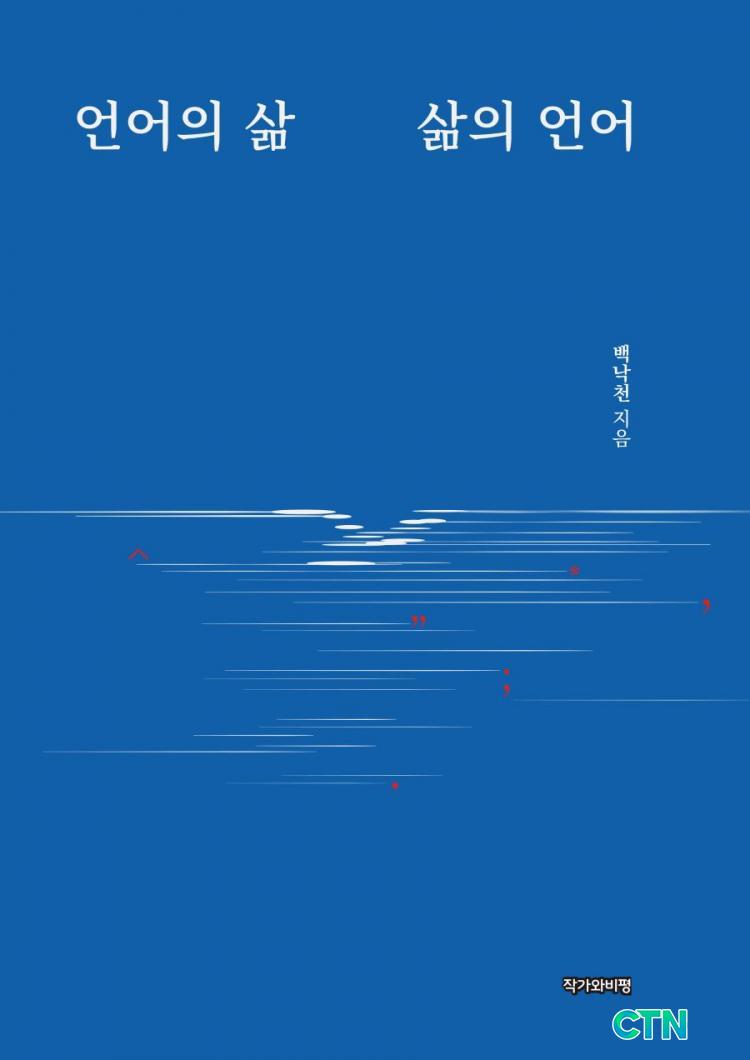
[신간]『언어의 삶 삶의 언어』/표지
[CTN문학관]가금현 기자= 우리말과 우리글에 담긴 숨결과 무늬에 깊은 관심을 가져온 백낙천 교수가 말을 벗 삼아 걸어온 길 위에서 고요하게 고백하는 이야기, 『언어의 삶 삶의 언어』를 출간했다.
저자인 백낙천 교수는 배재대학교 국어국문한국어교육학과에 재직 중이며, 오랜 연구와 교육을 이어온 학자다.
이번 신간은 여러 매체에 연재했던 칼럼을 다듬고 보완한 글을 비롯해, 논문을 쓰다 곁에 제쳐 두었던 짧은 글, 책을 읽으며 적어둔 독서 노트 등 형식에 얽매이지 않고 자유롭게 써 내려간 사유의 기록들을 모은 산문집이다.
책은 거친 생각과 굼뜬 걸음이 남긴 언어의 풍경을 총 4부로 나누어 엮었다.
▲1부 ‘언어의 모습’에서는 언어와 한국어에 관한 이야기를, ▲2부 ‘한글의 성장’에서는 한글의 탄생과 우수성, 그리고 한글이 대중에게 널리 퍼지기까지의 과정을 조명한다. 이어 ▲3부 ‘읽기의 즐거움’은 소설이나 영화 등을 폭넓게 향유하며 얻은 통찰을 담았고, ▲4부 ‘생활의 단편’은 일상에서 쌓아온 따뜻한 사유를 풀어냈다.
저자는 "주변에 있던 이들과 함께한 시간과 공간 속에서 성장해 왔기에, 인연의 씨줄과 날줄로 엮인 이야기가 곧 자신의 삶"이라고 고백한다. 이 책이 독자들에게 지금까지 걸어온 삶을 돌아보게 하고, 시절마다 만났던 고마운 사람들과의 인연을 떠올리게 하는 따뜻한 온기가 되기를 소망하고 있다.
저자 백낙천은 서울 출생으로 동국대학교에서 박사학위를 받았으며, 한국학중앙연구원 책임연구원, 교육부 교육과정 심의위원 등을 역임했다. 주요 저서로는 『국어의 통합형 접속어미』, 『한글과 계몽 그리고 배재』 등이 있다.
[영문 번역 기사]
[CTN Literature Bureau] Reporter Keum-hyun Ga= Professor Baek Nak-cheon, who has long held a deep interest in the breath and patterns embedded in the Korean language and script, has published 『The Life of Language, The Language of Life』, a collection of quiet confessions from the path he has walked alongside words.
The author, Professor Baek Nak-cheon, currently teaches in the Department of Korean Language & Literature and Korean Language Education at Pai Chai University. This new book is an anthology of prose written freely and without structural constraints, compiling modified columns previously published in various media, short notes set aside while writing academic papers, and reading logs capturing his immediate impressions from books.
The book organizes the landscapes of language left by raw thoughts and slow steps into four comprehensive parts. ▲Part 1, "The Aspect of Language," explores stories about language and Korean. ▲Part 2, "The Growth of Hangeul," highlights the birth and excellence of Hangeul, and how it spread widely across the land. ▲Part 3, "The Joy of Reading," records insights gained from widely enjoying novels and films, while ▲Part 4, "Fragments of Life," unravels the contemplations accumulated from daily routines.
The author notes that because he has grown within the time and space shared with those around him, the stories woven by the warp and weft of relationships are inherently his life. He hopes that his stories will serve as a warm comfort, prompting readers to look back on their own journeys and recall the precious relationships they formed during different seasons of life.
Born in Seoul, author Baek Nak-cheon received his doctorate from Dongguk University. He has served as a senior researcher at the Academy of Korean Studies and a member of the Curriculum Deliberation Committee for the Ministry of Education. His major publications include 『Integrated Conjunctional Endings in Korean』 and 『Hangeul, Enlightenment, and Pai Chai』.
저자인 백낙천 교수는 배재대학교 국어국문한국어교육학과에 재직 중이며, 오랜 연구와 교육을 이어온 학자다.
이번 신간은 여러 매체에 연재했던 칼럼을 다듬고 보완한 글을 비롯해, 논문을 쓰다 곁에 제쳐 두었던 짧은 글, 책을 읽으며 적어둔 독서 노트 등 형식에 얽매이지 않고 자유롭게 써 내려간 사유의 기록들을 모은 산문집이다.
책은 거친 생각과 굼뜬 걸음이 남긴 언어의 풍경을 총 4부로 나누어 엮었다.
▲1부 ‘언어의 모습’에서는 언어와 한국어에 관한 이야기를, ▲2부 ‘한글의 성장’에서는 한글의 탄생과 우수성, 그리고 한글이 대중에게 널리 퍼지기까지의 과정을 조명한다. 이어 ▲3부 ‘읽기의 즐거움’은 소설이나 영화 등을 폭넓게 향유하며 얻은 통찰을 담았고, ▲4부 ‘생활의 단편’은 일상에서 쌓아온 따뜻한 사유를 풀어냈다.
저자는 "주변에 있던 이들과 함께한 시간과 공간 속에서 성장해 왔기에, 인연의 씨줄과 날줄로 엮인 이야기가 곧 자신의 삶"이라고 고백한다. 이 책이 독자들에게 지금까지 걸어온 삶을 돌아보게 하고, 시절마다 만났던 고마운 사람들과의 인연을 떠올리게 하는 따뜻한 온기가 되기를 소망하고 있다.
저자 백낙천은 서울 출생으로 동국대학교에서 박사학위를 받았으며, 한국학중앙연구원 책임연구원, 교육부 교육과정 심의위원 등을 역임했다. 주요 저서로는 『국어의 통합형 접속어미』, 『한글과 계몽 그리고 배재』 등이 있다.
[영문 번역 기사]
[CTN Literature Bureau] Reporter Keum-hyun Ga= Professor Baek Nak-cheon, who has long held a deep interest in the breath and patterns embedded in the Korean language and script, has published 『The Life of Language, The Language of Life』, a collection of quiet confessions from the path he has walked alongside words.
The author, Professor Baek Nak-cheon, currently teaches in the Department of Korean Language & Literature and Korean Language Education at Pai Chai University. This new book is an anthology of prose written freely and without structural constraints, compiling modified columns previously published in various media, short notes set aside while writing academic papers, and reading logs capturing his immediate impressions from books.
The book organizes the landscapes of language left by raw thoughts and slow steps into four comprehensive parts. ▲Part 1, "The Aspect of Language," explores stories about language and Korean. ▲Part 2, "The Growth of Hangeul," highlights the birth and excellence of Hangeul, and how it spread widely across the land. ▲Part 3, "The Joy of Reading," records insights gained from widely enjoying novels and films, while ▲Part 4, "Fragments of Life," unravels the contemplations accumulated from daily routines.
The author notes that because he has grown within the time and space shared with those around him, the stories woven by the warp and weft of relationships are inherently his life. He hopes that his stories will serve as a warm comfort, prompting readers to look back on their own journeys and recall the precious relationships they formed during different seasons of life.
Born in Seoul, author Baek Nak-cheon received his doctorate from Dongguk University. He has served as a senior researcher at the Academy of Korean Studies and a member of the Curriculum Deliberation Committee for the Ministry of Education. His major publications include 『Integrated Conjunctional Endings in Korean』 and 『Hangeul, Enlightenment, and Pai Chai』.
 |
가금현 기자 ggh7000@hanmail.net
가금현 기자 입니다.
긍정적인 사고로 의리를 지키며 살고싶다.
술은 웃음소리가 밖에까지 들리도록 마셔라!
내가 그자리에 있다고
CTN·충청탑뉴스·CTN방송 발행인
|
#CTN문학관 #CTN신문사 #가금현기자 #신간도서 #언어의삶삶의언어 #백낙천교수 #배재대학교 #수필집 #인문학 #산문집 #한국어 #한글 #독서노트 #일상에세이 #추천도서 #CTNLiteratureBureau #CTNNews #ReporterKeumhyunGa #NewBook #TheLifeOfLanguageTheLanguageOfLife #ProfessorBaekNakcheon #PaiChaiUniversity #KoreanProse #Hangeul #LanguageAndLife #HumanitiesEssay #KoreanLiterature #ReadingJoy #DailyReflection #RecommendedReading