'영남권 의료 중심지' 대구시, 환자안전 실태조사 돌입
-대구시·AI바이오·메디시티대구협의회, 의료서비스 질 향상 및 환자안전 전방위 협업 추진
-6월 19일 대구그랜드호텔에서 병원 실무자 대상 '의료기관 인증 대비 교육' 사례 중심 실시
-6월 19일 대구그랜드호텔에서 병원 실무자 대상 '의료기관 인증 대비 교육' 사례 중심 실시
이수현 기자입력 : 2026. 06. 10(수) 12:41


사진=대구광역시청 제공
[대구/CTN]이수현 기자= 이재홍 대구광역시 보건복지국장은 "이번 협업사업은 의료서비스의 질을 한 단계 높이고 환자안전 문화를 정착시키기 위한 전방위적 노력의 일환"이라며 "앞으로도 환자와 의료진 모두가 신뢰할 수 있는 메디시티 대구형 환자안전 모델 구축에 최선을 다하겠다"라고 말했다. 대구광역시는 (사)AI바이오·메디시티대구협의회 보건의료서비스분과위원회와 함께 의료서비스의 질 향상과 환자안전 문화 확산을 위한 전방위적 협업사업을 추진하고 있다고 밝혔다. 대구는 5개 상급종합병원을 비롯해 풍부한 의료 인프라를 갖춘 영남권 의료의 중심지로, 이러한 강점을 활용해 실무자 역량 강화 교육과 환자 안전문화 실태조사 등을 다각도로 진행 중이다.
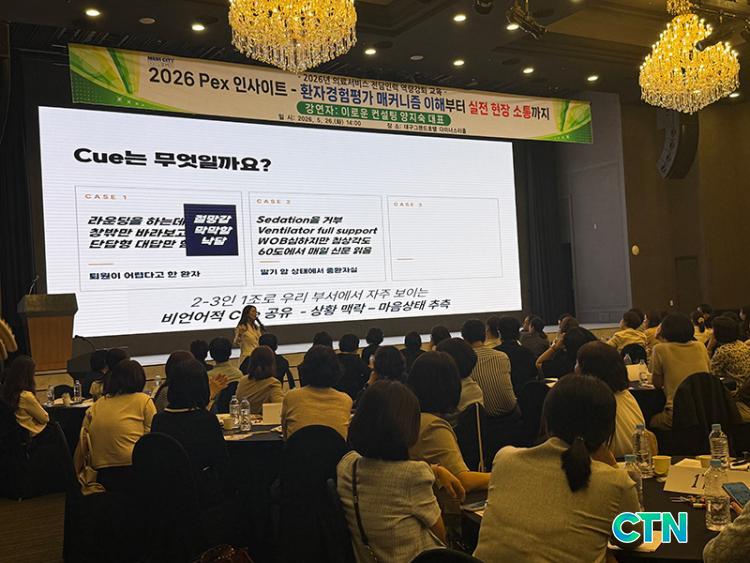
이에 따라 시는 오는 6월 19일 대구그랜드호텔에서 병원급 이상 의료기관 실무자를 대상으로 '의료기관 인증 대비 교육'을 실시한다. 보건복지부와 의료기관평가인증원이 시행하는 의료기관 인증제도는 의료서비스 질과 환자안전 수준을 평가하는 제도로, 현재 대구 내 인증 의료기관은 총 95개소다. 이번 교육은 전문가들이 참여해 데이터 기반의 질 관리 전략과 실무 노하우를 사례 중심으로 공유할 예정이며, 참여를 희망하는 실무자는 6월 16일까지 협의회를 통해 접수하면 된다. 앞서 대구시는 지난 5월 26일 '환자경험평가 대비 전략 교육'을 실시한 바 있으며, 현재 관내 16개 종합병원 종사자를 대상으로 모바일 웹 기반의 환자안전 문화 수준 실태조사도 병행하여 그 결과를 7월 중 각 의료기관에 제공할 계획이다.
지자체가 풍부한 지역 의료 인프라를 바탕으로 유관 협의회와 연계해 의료기관 인증 및 환자경험평가 등 핵심 평가 제도에 대한 실무 교육을 선제적으로 제공하고, 모바일 기반의 실태조사를 통해 맞춤형 피드백을 기획한 것은 지역 의료서비스의 하향 평준화를 막고 브랜드 가치를 높인다는 측면에서 긍정적인 행정으로 평가된다.
다만 이러한 지자체 주도의 교육과 실태조사가 일선 의료기관들에게 또 다른 행정적 수검 부담으로 작용하거나, 정부 인증 평가 점수를 획득하기 위한 단기성 스킬 전수에 치중될 수 있다는 지적도 나온다. 실제 의료 현장의 환자안전 사고는 인력 부족이나 과도한 업무 스트레스 등 고질적인 구조적 문제에서 기인하는 경우가 많아, 단순히 연례적인 실무 교육과 모바일 설문조사만으로는 현장의 실질적인 안전 불감증을 뿌리 뽑기 어렵기 때문이다. 대구시가 진정한 메디시티 모델을 구축하기 위해서는 일회성 대비 교육을 넘어, 실태조사에서 도출된 취약 병원을 대상으로 전문가 밀착 컨설팅을 연계하고, 중소형 의료기관의 안전 전담 인력 인건비를 일부 보조하거나 상설 환자안전 모니터링 시스템을 공동 구축하는 등 실질적인 인프라 지원책 마련이 향후 과제로 꼽힌다.
[영문번역 기사-AI활용]
Lee Jae-hong, director of the Welfare and Health Bureau of Gwangju Metropolitan City, stated, "This collaborative project is part of an omnidirectional effort to raise the quality of medical services to the next level and establish a patient safety culture. We will continue to do our best to build a 'Medicity Daegu-style patient safety model' that both patients and medical staff can trust." Daegu Metropolitan City announced that it is pushing forward an omnidirectional collaborative project to improve the quality of medical services and spread a patient safety culture together with the Health and Medical Service Subcommittee of the AI Bio-Medicity Daegu Council. Daegu is the center of medical care in the Yeongnam region, equipped with abundant medical infrastructure including five advanced general hospitals, and based on these strengths, it is promoting practitioner capability building education and patient safety culture surveys in various ways.
Accordingly, the city will conduct 'Education in Preparation for Medical Institution Certification' at the Daegu Grand Hotel on June 19 for practitioners at hospital-level or higher medical institutions. The medical institution certification system implemented by the Ministry of Health and Welfare and the Korea Institute for Healthcare Accreditation is a system that evaluates the quality of medical services and the level of patient safety, and currently, there are a total of 95 certified medical institutions in Daegu. This training will involve experts to share data-based quality management strategies and practical know-how focused on cases, and practitioners wishing to participate can apply through the council by June 16. Previously, Daegu City conducted 'Strategy Training for Patient Experience Evaluation' on May 26, and is currently conducting a mobile web-based survey on the level of patient safety culture among workers at 16 general hospitals in its jurisdiction, with plans to provide the results to each medical institution in July.
The local government's proactive provision of practical education on core evaluation systems such as medical institution certification and patient experience evaluation, linked with relevant councils based on rich local medical infrastructure, and planning customized feedback through mobile-based surveys, is evaluated as a positive administrative step in terms of preventing the downward standardization of regional medical services and enhancing brand value.
However, critics point out that these government-led training sessions and surveys could act as another administrative burden for frontline medical institutions, or focus solely on imparting short-term skills to pass government certification evaluations. In reality, patient safety accidents at medical sites often stem from chronic structural issues such as lack of staff or excessive work stress, making it difficult to fundamentally eradicate safety insensitivity on the ground merely through annual practical training and mobile surveys. For Daegu to build a true Medicity model, moving beyond one-time preparation training, linking expert close-up consulting for vulnerable hospitals derived from the survey results, partially subsidizing labor costs for safety personnel in small and medium-sized medical institutions, and jointly establishing permanent patient safety monitoring systems are cited as future tasks to be resolved.
이에 따라 시는 오는 6월 19일 대구그랜드호텔에서 병원급 이상 의료기관 실무자를 대상으로 '의료기관 인증 대비 교육'을 실시한다. 보건복지부와 의료기관평가인증원이 시행하는 의료기관 인증제도는 의료서비스 질과 환자안전 수준을 평가하는 제도로, 현재 대구 내 인증 의료기관은 총 95개소다. 이번 교육은 전문가들이 참여해 데이터 기반의 질 관리 전략과 실무 노하우를 사례 중심으로 공유할 예정이며, 참여를 희망하는 실무자는 6월 16일까지 협의회를 통해 접수하면 된다. 앞서 대구시는 지난 5월 26일 '환자경험평가 대비 전략 교육'을 실시한 바 있으며, 현재 관내 16개 종합병원 종사자를 대상으로 모바일 웹 기반의 환자안전 문화 수준 실태조사도 병행하여 그 결과를 7월 중 각 의료기관에 제공할 계획이다.
지자체가 풍부한 지역 의료 인프라를 바탕으로 유관 협의회와 연계해 의료기관 인증 및 환자경험평가 등 핵심 평가 제도에 대한 실무 교육을 선제적으로 제공하고, 모바일 기반의 실태조사를 통해 맞춤형 피드백을 기획한 것은 지역 의료서비스의 하향 평준화를 막고 브랜드 가치를 높인다는 측면에서 긍정적인 행정으로 평가된다.
다만 이러한 지자체 주도의 교육과 실태조사가 일선 의료기관들에게 또 다른 행정적 수검 부담으로 작용하거나, 정부 인증 평가 점수를 획득하기 위한 단기성 스킬 전수에 치중될 수 있다는 지적도 나온다. 실제 의료 현장의 환자안전 사고는 인력 부족이나 과도한 업무 스트레스 등 고질적인 구조적 문제에서 기인하는 경우가 많아, 단순히 연례적인 실무 교육과 모바일 설문조사만으로는 현장의 실질적인 안전 불감증을 뿌리 뽑기 어렵기 때문이다. 대구시가 진정한 메디시티 모델을 구축하기 위해서는 일회성 대비 교육을 넘어, 실태조사에서 도출된 취약 병원을 대상으로 전문가 밀착 컨설팅을 연계하고, 중소형 의료기관의 안전 전담 인력 인건비를 일부 보조하거나 상설 환자안전 모니터링 시스템을 공동 구축하는 등 실질적인 인프라 지원책 마련이 향후 과제로 꼽힌다.
[영문번역 기사-AI활용]
Lee Jae-hong, director of the Welfare and Health Bureau of Gwangju Metropolitan City, stated, "This collaborative project is part of an omnidirectional effort to raise the quality of medical services to the next level and establish a patient safety culture. We will continue to do our best to build a 'Medicity Daegu-style patient safety model' that both patients and medical staff can trust." Daegu Metropolitan City announced that it is pushing forward an omnidirectional collaborative project to improve the quality of medical services and spread a patient safety culture together with the Health and Medical Service Subcommittee of the AI Bio-Medicity Daegu Council. Daegu is the center of medical care in the Yeongnam region, equipped with abundant medical infrastructure including five advanced general hospitals, and based on these strengths, it is promoting practitioner capability building education and patient safety culture surveys in various ways.
Accordingly, the city will conduct 'Education in Preparation for Medical Institution Certification' at the Daegu Grand Hotel on June 19 for practitioners at hospital-level or higher medical institutions. The medical institution certification system implemented by the Ministry of Health and Welfare and the Korea Institute for Healthcare Accreditation is a system that evaluates the quality of medical services and the level of patient safety, and currently, there are a total of 95 certified medical institutions in Daegu. This training will involve experts to share data-based quality management strategies and practical know-how focused on cases, and practitioners wishing to participate can apply through the council by June 16. Previously, Daegu City conducted 'Strategy Training for Patient Experience Evaluation' on May 26, and is currently conducting a mobile web-based survey on the level of patient safety culture among workers at 16 general hospitals in its jurisdiction, with plans to provide the results to each medical institution in July.
The local government's proactive provision of practical education on core evaluation systems such as medical institution certification and patient experience evaluation, linked with relevant councils based on rich local medical infrastructure, and planning customized feedback through mobile-based surveys, is evaluated as a positive administrative step in terms of preventing the downward standardization of regional medical services and enhancing brand value.
However, critics point out that these government-led training sessions and surveys could act as another administrative burden for frontline medical institutions, or focus solely on imparting short-term skills to pass government certification evaluations. In reality, patient safety accidents at medical sites often stem from chronic structural issues such as lack of staff or excessive work stress, making it difficult to fundamentally eradicate safety insensitivity on the ground merely through annual practical training and mobile surveys. For Daegu to build a true Medicity model, moving beyond one-time preparation training, linking expert close-up consulting for vulnerable hospitals derived from the survey results, partially subsidizing labor costs for safety personnel in small and medium-sized medical institutions, and jointly establishing permanent patient safety monitoring systems are cited as future tasks to be resolved.
 |
이수현 기자 leegikook@hanmail.net
|
#대구광역시 #이재홍국장 #AI바이오메디시티대구협의회 #의료기관인증 #환자안전문화 #환자경험평가 #보건의료서비스 #소극행정 #메디시티대구 #의료인프라 #실태조사 #행정뉴스 #CTN