2년 만의 특허 복제, 국립문화유산연구원의 상업화 생색내기
-국립문화유산연구원, 전통 동록 안료 제조 특허 기술을 (주)홍익안료에 추가 이전 발표
-지난해 이미 타 업체에 이전돼 상품화된 기술을 두고 '안정적 공급 기반'이라며 부서 치적 홍보에 활용
-지난해 이미 타 업체에 이전돼 상품화된 기술을 두고 '안정적 공급 기반'이라며 부서 치적 홍보에 활용
가요진 기자입력 : 2026. 06. 04(목) 12:38


사진=국가유산청 제공
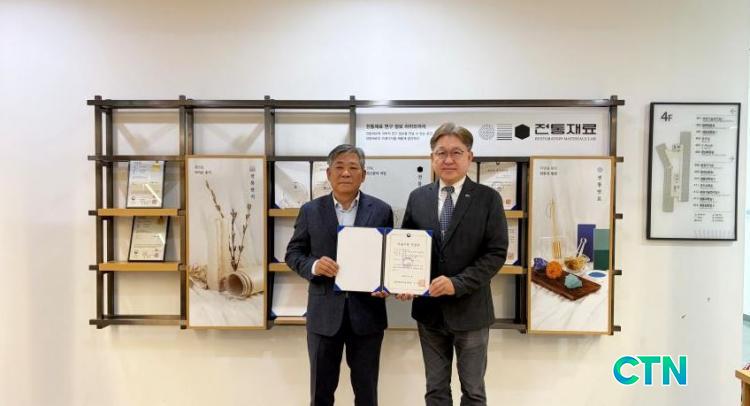
[국가유산청/CTN]가요진 기자= 국립문화유산연구원 관계자는 "앞으로도 단절된 전통재료의 복원과 원천기술 확보를 넘어 민간 생산체계 확대를 적극 지원함으로써, 문화유산 수리 현장에서 실제로 안정적으로 활용될 수 있도록 적극행정을 지속해 나갈 것이다"라고 밝혔다. 고문헌 기록과 과학적 분석을 바탕으로 단절됐던 하엽 안료 대체 기술을 복원하고, 이를 민간 기업에 추가 이전해 문화유산 수리 현장의 안정성을 다지겠다며 부서의 연구 성과와 행정력을 한껏 강조한 대목이다. (주)가일전통안료에 이은 (주)홍익안료로의 실시권 확대 제시와 현장 기술지도 및 시제품 품질 분석 지원 공언 등 보도자료를 채운 촘촘한 청사진은 연구원이 전통 문화재 복원의 맥을 잇기 위해 대단한 혁신을 선도하고 있는 듯한 착각을 불러일으킨다. 하지만 정작 혜택의 실체는 이미 2024년에 첫 이전을 마쳐 올해 상용화까지 완료된 기존 특허 기술을 또 다른 민간 업체에 한 번 더 넘겨주는 연례 반복형 실적 쪼개기에 불과함에도, 이를 "안정적 공급 기반 구축"이라는 거창한 수사로 포장하며 부서의 치적 쌓기로 둔갑시키고 있다.
이번 기술이전의 가장 큰 맹점은 연구원이 자랑하는 '민간 생산체계 확대'가 실제 전통 안료 시장의 영세성과 좁은 수요처를 무시한 '보여주기식 업체 수 늘리기'에 머물러 있다는 점이다. 불화나 민화 등 전통회화와 단청 복원 현장이라는 극히 제한된 국내 시장에서, 원천 기술의 고도화나 대량 생산을 위한 물적 인프라 지원 없이 단순히 제조법 특허만 다원화하는 것이 과연 실효성 있는 대책인지 의문이다. 진정으로 문화유산 수리 현장의 자생력을 키우고자 했다면, 민간 대리점 확충 방식의 생색내기 이전에 국공립 미술관 및 문화재 수리 현장에서의 전통 안료 의무 사용 비율을 법제화하거나, 원료가 되는 고품질 동(銅) 소재의 수급 안정을 위한 공공 비축 기금을 마련하는 등 굳건한 구조적 안전망 구축이 선행되어야 했다. 이러한 근본적인 제도적 기반 다지기는 생략한 채, 이전 기업 개수라는 정량적 지표만 부풀려 보고서의 부피를 늘리려는 행태는 실적 조급증에 걸린 산하 기관의 전형적인 탁상행정일 뿐이다.
아울러 홍익안료의 빠른 상품화를 위해 현장 기술지도와 품질 분석을 지원하겠다는 대목 역시 매년 반복되는 연구기관 특유의 관성 행정이다. 단기적인 시제품 출시에만 행정력을 소진할 뿐, 실제 현장에서 복원된 안료의 장기적인 내후성이나 기후 변화에 따른 변색 유무를 상설 모니터링하는 거시적 안목의 사후 관리 체계는 결여되어 있다.
전통 문화재의 보존과 복원이 국가적 과제가 된 시대에 정부 연구기관의 소명은 단순한 특허 이전 건수나 민간 상업화 유치 규모를 다투는 언론 플레이에 머물러서는 안 된다. 매년 반복되는 기술이전 체결식과 전시성 품질 분석에 공공 재원을 소진하는 구조로는 국경을 넘나드는 글로벌 문화재 보존 과학의 속도를 따라잡을 수 없다. 국립문화유산연구원은 기술의 단순 복제를 치적으로 포장하는 전시 행정을 즉각 중단해야 마땅하다. 그늘진 수리 현장에서 묵묵히 단청을 올리는 장인들과 영세 채색공들이 실질적인 재료비 절감 효능감을 누릴 수 있도록 전통 안료 생산 보조금을 상설화하고, AI 기반의 유해 물질 교차 검증 시스템을 도입하는 등 본연의 공공 안전망 다지기에 행정 역량을 결집해야 체감 행정의 진정성을 인정받을 수 있을 것이다.
[영문번역 기사-AI활용]
An official from the National Research Institute of Cultural Heritage stated, "Moving forward, beyond restoring severed traditional materials and securing original technologies, we will actively support the expansion of private production systems to continue active administration so that they can be practically and stably utilized in cultural heritage repair fields." This is a passage emphasizing the department's research performance and administrative power, saying it would restore the severed hayeop pigment alternative technology based on ancient documents and scientific analysis, and expand stability in cultural heritage repair fields by additionally transferring it to private enterprises. The blueprints filling the press release, such as the presentation of expanding the license to Hongik Pigment following Gail Traditional Pigment and promising field technical guidance and prototype quality analysis support, create an illusion as if the Institute is leading tremendous innovation to connect the pulse of traditional cultural heritage restoration. However, despite the fact that the substance of the benefit stops at an annual repeated performance splitting that hands over an existing patent technology, which was already transferred in 2024 and completed commercialization this year, to another private enterprise one more time, the practice of trying to package it into a grand "construction of a stable supply base" by hiding behind rhetoric is a specimen of typical 'performance packaging exhibition administration.'
The biggest blind spot of this technology transfer is that the 'expansion of private production systems' boasted by the Institute stays as a 'showy enterprise count increasing' that ignores the actual pettiness and narrow demand markets of the traditional pigment market. It raises questions about whether simply pluralizing manufacturing method patents without upgrading original technologies or supporting material infrastructure for mass production is a practical countermeasure in the extremely limited domestic market of traditional painting and dancheong restoration fields. If it truly desires to grow the self-sustainability of cultural heritage repair fields, before superficial show of expanding private dealerships, solid structural safety net construction must precede, such as legislating the mandatory utilization ratio of traditional pigments in public art museums and cultural heritage repair fields or preparing public stockpile funds for the supply stability of high-quality copper materials used as raw materials. Omitting such fundamental institutional foundation solidifying and only hurrying to inflate quantitative indicators like the number of transferred enterprises is nothing more than typical desk administration of a subordinate agency caught in performance anxiety.
In addition, the passage claiming that they would support field technical guidance and quality analysis for Hongik Pigment's rapid commercialization is also an inertia administration peculiar to research institutes repeated every year. Expending administrative power only on short-term prototype launches, a macroscopic post-management system that permanently monitors the long-term weather resistance or discoloration of restored pigments in actual fields according to climate changes is lacking.
In an era where the preservation and restoration of traditional cultural heritage become national tasks, the mission of government research institutes must not stop at press release politics disputing simple patent transfer counts or private commercialization inducement scales. Expending public funds every year on repeated technology transfer ceremonies and exhibition-like quality analysis cannot catch up with the speed of global cultural heritage preservation science crossing borders. The National Research Institute of Cultural Heritage must immediately stop exhibition administration promoting the simple replication of technology as achievements. Permanentizing traditional pigment production subsidies so that craftsmen and small-scale painters silently raising dancheong in the shaded repair fields can enjoy practical material cost reduction efficacy, and introducing AI-based hazardous substance cross-verification systems, it should concentrate administrative capabilities on solidifying the inherent public safety net to receive recognition for the sincerity of felt administration.
이번 기술이전의 가장 큰 맹점은 연구원이 자랑하는 '민간 생산체계 확대'가 실제 전통 안료 시장의 영세성과 좁은 수요처를 무시한 '보여주기식 업체 수 늘리기'에 머물러 있다는 점이다. 불화나 민화 등 전통회화와 단청 복원 현장이라는 극히 제한된 국내 시장에서, 원천 기술의 고도화나 대량 생산을 위한 물적 인프라 지원 없이 단순히 제조법 특허만 다원화하는 것이 과연 실효성 있는 대책인지 의문이다. 진정으로 문화유산 수리 현장의 자생력을 키우고자 했다면, 민간 대리점 확충 방식의 생색내기 이전에 국공립 미술관 및 문화재 수리 현장에서의 전통 안료 의무 사용 비율을 법제화하거나, 원료가 되는 고품질 동(銅) 소재의 수급 안정을 위한 공공 비축 기금을 마련하는 등 굳건한 구조적 안전망 구축이 선행되어야 했다. 이러한 근본적인 제도적 기반 다지기는 생략한 채, 이전 기업 개수라는 정량적 지표만 부풀려 보고서의 부피를 늘리려는 행태는 실적 조급증에 걸린 산하 기관의 전형적인 탁상행정일 뿐이다.
아울러 홍익안료의 빠른 상품화를 위해 현장 기술지도와 품질 분석을 지원하겠다는 대목 역시 매년 반복되는 연구기관 특유의 관성 행정이다. 단기적인 시제품 출시에만 행정력을 소진할 뿐, 실제 현장에서 복원된 안료의 장기적인 내후성이나 기후 변화에 따른 변색 유무를 상설 모니터링하는 거시적 안목의 사후 관리 체계는 결여되어 있다.
전통 문화재의 보존과 복원이 국가적 과제가 된 시대에 정부 연구기관의 소명은 단순한 특허 이전 건수나 민간 상업화 유치 규모를 다투는 언론 플레이에 머물러서는 안 된다. 매년 반복되는 기술이전 체결식과 전시성 품질 분석에 공공 재원을 소진하는 구조로는 국경을 넘나드는 글로벌 문화재 보존 과학의 속도를 따라잡을 수 없다. 국립문화유산연구원은 기술의 단순 복제를 치적으로 포장하는 전시 행정을 즉각 중단해야 마땅하다. 그늘진 수리 현장에서 묵묵히 단청을 올리는 장인들과 영세 채색공들이 실질적인 재료비 절감 효능감을 누릴 수 있도록 전통 안료 생산 보조금을 상설화하고, AI 기반의 유해 물질 교차 검증 시스템을 도입하는 등 본연의 공공 안전망 다지기에 행정 역량을 결집해야 체감 행정의 진정성을 인정받을 수 있을 것이다.
[영문번역 기사-AI활용]
An official from the National Research Institute of Cultural Heritage stated, "Moving forward, beyond restoring severed traditional materials and securing original technologies, we will actively support the expansion of private production systems to continue active administration so that they can be practically and stably utilized in cultural heritage repair fields." This is a passage emphasizing the department's research performance and administrative power, saying it would restore the severed hayeop pigment alternative technology based on ancient documents and scientific analysis, and expand stability in cultural heritage repair fields by additionally transferring it to private enterprises. The blueprints filling the press release, such as the presentation of expanding the license to Hongik Pigment following Gail Traditional Pigment and promising field technical guidance and prototype quality analysis support, create an illusion as if the Institute is leading tremendous innovation to connect the pulse of traditional cultural heritage restoration. However, despite the fact that the substance of the benefit stops at an annual repeated performance splitting that hands over an existing patent technology, which was already transferred in 2024 and completed commercialization this year, to another private enterprise one more time, the practice of trying to package it into a grand "construction of a stable supply base" by hiding behind rhetoric is a specimen of typical 'performance packaging exhibition administration.'
The biggest blind spot of this technology transfer is that the 'expansion of private production systems' boasted by the Institute stays as a 'showy enterprise count increasing' that ignores the actual pettiness and narrow demand markets of the traditional pigment market. It raises questions about whether simply pluralizing manufacturing method patents without upgrading original technologies or supporting material infrastructure for mass production is a practical countermeasure in the extremely limited domestic market of traditional painting and dancheong restoration fields. If it truly desires to grow the self-sustainability of cultural heritage repair fields, before superficial show of expanding private dealerships, solid structural safety net construction must precede, such as legislating the mandatory utilization ratio of traditional pigments in public art museums and cultural heritage repair fields or preparing public stockpile funds for the supply stability of high-quality copper materials used as raw materials. Omitting such fundamental institutional foundation solidifying and only hurrying to inflate quantitative indicators like the number of transferred enterprises is nothing more than typical desk administration of a subordinate agency caught in performance anxiety.
In addition, the passage claiming that they would support field technical guidance and quality analysis for Hongik Pigment's rapid commercialization is also an inertia administration peculiar to research institutes repeated every year. Expending administrative power only on short-term prototype launches, a macroscopic post-management system that permanently monitors the long-term weather resistance or discoloration of restored pigments in actual fields according to climate changes is lacking.
In an era where the preservation and restoration of traditional cultural heritage become national tasks, the mission of government research institutes must not stop at press release politics disputing simple patent transfer counts or private commercialization inducement scales. Expending public funds every year on repeated technology transfer ceremonies and exhibition-like quality analysis cannot catch up with the speed of global cultural heritage preservation science crossing borders. The National Research Institute of Cultural Heritage must immediately stop exhibition administration promoting the simple replication of technology as achievements. Permanentizing traditional pigment production subsidies so that craftsmen and small-scale painters silently raising dancheong in the shaded repair fields can enjoy practical material cost reduction efficacy, and introducing AI-based hazardous substance cross-verification systems, it should concentrate administrative capabilities on solidifying the inherent public safety net to receive recognition for the sincerity of felt administration.
 |
가요진 기자 gyj1119@naver.com
|
#국립문화유산연구원 #임종덕원장 #동록안료 #기술이전 #홍익안료 #전시성행정 #실적부풀리기 #생색내기 #부처홍보 #수치착시 #보여주기식행정 #성과조급증 #탁상행정 #시사비평 #CTN