대구시, 도시철도 파산 위기 속 '무임 확대' 마이웨이
-대구시, 대중교통 활성화 포럼서 '어르신 시내버스 무임교통 지원사업' 사후 경제성 분석 결과 발표
-2년 6개월간 920억 원 투입해 1,531억 원 편익 창출 주장… 이용률 1.8배 증가 및 만족도 4.45점 기록
-2년 6개월간 920억 원 투입해 1,531억 원 편익 창출 주장… 이용률 1.8배 증가 및 만족도 4.45점 기록
이수현 기자입력 : 2026. 06. 18(목) 08:30


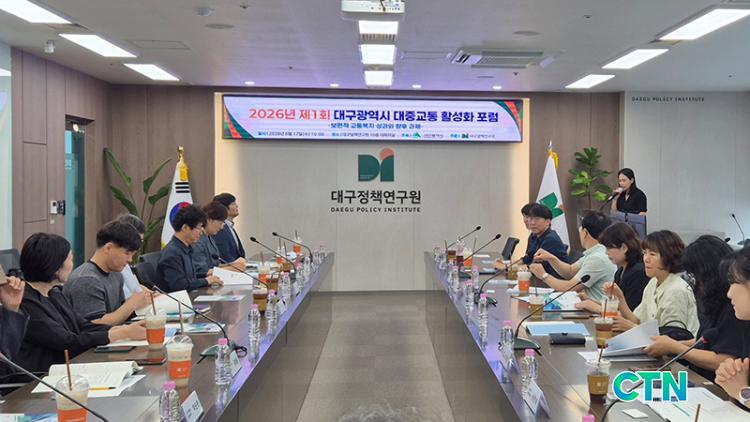
사진=대구시청 제공
[대구/CTN]이수현 기자= 허준석 대구광역시 교통국장은 "어르신 무임교통 지원사업이 이동권 확대는 물론 보건·사회비용 절감과 지역경제 활성화를 실현하는 지속가능한 투자형 교통복지정책임이 다시 한번 확인됐다"며 "앞으로도 시민들이 체감할 수 있는 교통서비스 개선을 통해 대중교통 경쟁력 강화와 지속가능한 대중교통체계 구축을 위해 최선을 다하겠다"고 밝혔다. 광역 자치 행정 당국이 초고령사회 진입에 대응해 도입한 복지 정책의 정당성을 확보하고, 재정 투입 대비 고효율을 증명하기 위한 정밀 지표화 작업에 나섰다.
대구광역시는 대구정책연구원에서 열린 '대중교통 활성화 포럼'에서 전국 최초로 시행한 '어르신 시내버스 무임교통 지원사업'의 사후 경제성 분석 결과를 지난 17일 발표했다. 분석 결과에 따르면 지난 2023년 7월 제도 첫 도입 이후 2025년 말까지 2년 6개월간 총비용 920억 원이 투입됐으며, 이를 통해 1,531억 원의 총편익을 창출해 총 611억 원의 순효과를 거둔 것으로 나타났다. 경제성 확보의 배경에는 어르신들의 실질적인 이동성 증가가 있었다. 대구 지역 어르신의 시내버스 이용률은 사업 시행 전인 2023년 9.67%에서 2025년 17.59%로 약 1.8배 증가했으며, 1인당 월평균 이용 횟수는 14회로 집계됐다. 특히 주 5회 이상 대중교통을 이용하는 고령층 비율이 무임카드 발급 전보다 2배 가까이 늘었고, 병원 방문 횟수도 월 1.26회에서 2.14회로 증가해 의료 접근성이 크게 향상됐다. 시는 이러한 이동성 확대가 우울감 감소(6.29%), 자살 예방(7.80%), 돌봄 부담 완화(14.59%) 등 보건·사회적 편익으로 이어져 전체 편익의 49.14%를 차지했다고 설명했다. 아울러 전통시장과 문화시설 이용 등 관광·소비 활성화 효과가 22.38%를 차지해 지역 상권에도 활력을 불어넣었다는 정무적 평가를 덧붙였다.
지방 정부가 고령 인구의 이동권 보장이라는 선제적 복지 모델을 구체적인 수치로 계량화하고, 교통 사각지대에 놓인 노인층의 대중교통 전환율(8.0%)을 이끌어내 도로 혼잡과 환경오염 등 간접 사회적 비용을 정무적으로 절감하려 한 시도는 초고령화 시대의 모범적인 행정 사례로 풀이된다. 특히 단순한 교통비 지원을 넘어 노인층의 고립을 막고 보건비용 절감이라는 다각적인 무형의 가치를 정무적으로 증명해 내며 부산, 인천, 대전 등 타 지자체로 통합 무임교통 운영체계를 확산시키는 기폭제 역할을 한 대목은 대구시의 거시적인 정책 기획력이 반영된 결과다.
그러나 일각에서는 이번 경제성 분석이 시내버스 무임화로 인해 매년 눈덩이처럼 불어나는 준공영제 재정지원금과 도시철도 공사의 실제 누적 적자 등 '직접적 재정 부담'을 의도적으로 축소한 채, 계량화하기 어려운 보건·심리적 효과를 편익으로 과다 계상한 짜맞추기식 용역 결과라는 지적도 나온다. 우울감 감소나 전통시장 방문 증가율 같은 간접 편익을 무리하게 돈으로 환산해 총편익을 부풀렸을 뿐, 당장 지자체가 현금으로 보전해 주어야 할 버스·지하철 운영업체의 실질적 운송 손실액에 대한 구체적인 재원 조달 대책은 빠져있기 때문이다. 노인 연령 기준 조정을 둘러싼 사회적 갈등이 여전하고 지자체의 본예산 가용 자원이 고갈되는 상황에서, 이처럼 장밋빛 무형 편익만을 앞세운 착시 행정이 지속된다면 재정 자립도가 낮은 지방 도시의 대중교통 인프라 전체가 동반 부실화되는 재정적 부메랑을 맞을 수 있다. 이에 따라 대구시는 자화자찬식 수치 홍보를 지양하고, 무임승차 확대로 발생한 운송 적자의 정확한 보전 비율을 산출하는 동시에 중앙정부의 국비 지원을 끌어낼 수 있는 제도적 입법 공조 등 실효성 있는 재정 안정화 대책을 우선적으로 수립해야 할 것이다.
[영문번역 기사-AI활용]
Heo Jun-seok, Director of the Transportation Bureau of Daily Metropolitan City, stated, "It has been confirmed once again that the elderly free transportation support project is a sustainable investment-type transportation welfare policy that realizes not only the expansion of mobility but also the reduction of health and social costs and the vitalization of the local economy. We will continue to do our best to strengthen the competitiveness of public transportation and build a sustainable public transportation system through the improvement of transportation services that citizens can practically feel." A regional autonomous administrative authority has started a precise indexing task to secure the legitimacy of welfare policies introduced in response to entering a super-aged society and to prove high efficiency relative to fiscal investment.
Daegu Metropolitan City announced the post-economic analysis results of the 'Elderly City Bus Free Transportation Support Project', which was implemented for the first time in the country, at the 'Public Transportation Activation Forum' held at the Daegu Policy Research Institute on the 17th. According to the analysis results, a total cost of 92 billion won was injected for two years and six months from the first introduction of the system in July 2023 to the end of 2025, and through this, 153.1 billion won of total benefits were created, showing a net effect of 61.1 billion won. Behind securing economic feasibility was a practical increase in the mobility of the elderly. The city bus utilization rate of the elderly in the Daegu area increased about 1.8 times from 9.67% in 2023, before the implementation of the project, to 17.59% in 2025, and the average monthly usage per person was tallied at 14 times. In particular, the proportion of the elderly using public transportation more than five times a week nearly doubled compared to before the issuance of the free card, and the number of hospital visits also increased from 1.26 to 2.14 times per month, greatly improving medical accessibility. The city explained that this expansion of mobility led to health and social benefits such as reduction in depression (6.29%), suicide prevention (7.80%), and easing of care burden (14.59%), accounting for 49.14% of the total benefits. In addition, it added a political evaluation that the effects of vitalizing tourism and consumption, such as utilizing traditional markets and cultural facilities, accounted for 22.38%, blowing new vitality into the local commercial district.
The move where the local government quantified a preemptive welfare model of guaranteeing the mobility rights of the elderly population into concrete figures and induced a public transportation conversion rate (8.0%) of the elderly in transportation blind spots to politically reduce indirect social costs such as road congestion and environmental pollution, is interpreted as an exemplary administrative case in the era of a super-aged society. In particular, going beyond simple transportation cost support, politically proving multi-faceted intangible values such as preventing the isolation of the elderly and reducing health costs, thereby serving as a catalyst to spread the integrated free transportation operating system to other local governments such as Busan, Incheon, and Daejeon, highlights the reflection of Daegu City's macro policy planning power.
However, some critics point out that this economic analysis is a tailored research result that intentionally downplayed the 'direct fiscal burden', such as the quasi-public system financial support funds ballooning like a snowball every year due to city bus free operation and the actual accumulated deficit of the metro corporation, while over-accounting intangible effects like health and psychological effects into benefits. They merely inflated the total benefits by unreasonably converting indirect benefits like depression reduction or increased traditional market visits into money, while omitting concrete funding measures for the actual transportation loss of bus and subway operating companies that the local government must compensate in cash immediately. In a situation where social conflicts surrounding the adjustment of the elderly age standards persist and the available fiscal resources of the local government's main budget are depleted, if this illusionary administration pushing only intangible rosy benefits continues, the entire public transportation infrastructure of local cities with low fiscal independence may hit a fiscal boomerang of mutual insolvency. Accordingly, Daegu City should refrain from self-congratulatory numerical publicity, and with top priority, establish effective fiscal stabilization measures such as calculating the exact compensation ratio of the transportation deficit caused by the expansion of free rides and developing political cooperation for institutional legislation that can draw state subsidies from the central government.
대구광역시는 대구정책연구원에서 열린 '대중교통 활성화 포럼'에서 전국 최초로 시행한 '어르신 시내버스 무임교통 지원사업'의 사후 경제성 분석 결과를 지난 17일 발표했다. 분석 결과에 따르면 지난 2023년 7월 제도 첫 도입 이후 2025년 말까지 2년 6개월간 총비용 920억 원이 투입됐으며, 이를 통해 1,531억 원의 총편익을 창출해 총 611억 원의 순효과를 거둔 것으로 나타났다. 경제성 확보의 배경에는 어르신들의 실질적인 이동성 증가가 있었다. 대구 지역 어르신의 시내버스 이용률은 사업 시행 전인 2023년 9.67%에서 2025년 17.59%로 약 1.8배 증가했으며, 1인당 월평균 이용 횟수는 14회로 집계됐다. 특히 주 5회 이상 대중교통을 이용하는 고령층 비율이 무임카드 발급 전보다 2배 가까이 늘었고, 병원 방문 횟수도 월 1.26회에서 2.14회로 증가해 의료 접근성이 크게 향상됐다. 시는 이러한 이동성 확대가 우울감 감소(6.29%), 자살 예방(7.80%), 돌봄 부담 완화(14.59%) 등 보건·사회적 편익으로 이어져 전체 편익의 49.14%를 차지했다고 설명했다. 아울러 전통시장과 문화시설 이용 등 관광·소비 활성화 효과가 22.38%를 차지해 지역 상권에도 활력을 불어넣었다는 정무적 평가를 덧붙였다.
지방 정부가 고령 인구의 이동권 보장이라는 선제적 복지 모델을 구체적인 수치로 계량화하고, 교통 사각지대에 놓인 노인층의 대중교통 전환율(8.0%)을 이끌어내 도로 혼잡과 환경오염 등 간접 사회적 비용을 정무적으로 절감하려 한 시도는 초고령화 시대의 모범적인 행정 사례로 풀이된다. 특히 단순한 교통비 지원을 넘어 노인층의 고립을 막고 보건비용 절감이라는 다각적인 무형의 가치를 정무적으로 증명해 내며 부산, 인천, 대전 등 타 지자체로 통합 무임교통 운영체계를 확산시키는 기폭제 역할을 한 대목은 대구시의 거시적인 정책 기획력이 반영된 결과다.
그러나 일각에서는 이번 경제성 분석이 시내버스 무임화로 인해 매년 눈덩이처럼 불어나는 준공영제 재정지원금과 도시철도 공사의 실제 누적 적자 등 '직접적 재정 부담'을 의도적으로 축소한 채, 계량화하기 어려운 보건·심리적 효과를 편익으로 과다 계상한 짜맞추기식 용역 결과라는 지적도 나온다. 우울감 감소나 전통시장 방문 증가율 같은 간접 편익을 무리하게 돈으로 환산해 총편익을 부풀렸을 뿐, 당장 지자체가 현금으로 보전해 주어야 할 버스·지하철 운영업체의 실질적 운송 손실액에 대한 구체적인 재원 조달 대책은 빠져있기 때문이다. 노인 연령 기준 조정을 둘러싼 사회적 갈등이 여전하고 지자체의 본예산 가용 자원이 고갈되는 상황에서, 이처럼 장밋빛 무형 편익만을 앞세운 착시 행정이 지속된다면 재정 자립도가 낮은 지방 도시의 대중교통 인프라 전체가 동반 부실화되는 재정적 부메랑을 맞을 수 있다. 이에 따라 대구시는 자화자찬식 수치 홍보를 지양하고, 무임승차 확대로 발생한 운송 적자의 정확한 보전 비율을 산출하는 동시에 중앙정부의 국비 지원을 끌어낼 수 있는 제도적 입법 공조 등 실효성 있는 재정 안정화 대책을 우선적으로 수립해야 할 것이다.
[영문번역 기사-AI활용]
Heo Jun-seok, Director of the Transportation Bureau of Daily Metropolitan City, stated, "It has been confirmed once again that the elderly free transportation support project is a sustainable investment-type transportation welfare policy that realizes not only the expansion of mobility but also the reduction of health and social costs and the vitalization of the local economy. We will continue to do our best to strengthen the competitiveness of public transportation and build a sustainable public transportation system through the improvement of transportation services that citizens can practically feel." A regional autonomous administrative authority has started a precise indexing task to secure the legitimacy of welfare policies introduced in response to entering a super-aged society and to prove high efficiency relative to fiscal investment.
Daegu Metropolitan City announced the post-economic analysis results of the 'Elderly City Bus Free Transportation Support Project', which was implemented for the first time in the country, at the 'Public Transportation Activation Forum' held at the Daegu Policy Research Institute on the 17th. According to the analysis results, a total cost of 92 billion won was injected for two years and six months from the first introduction of the system in July 2023 to the end of 2025, and through this, 153.1 billion won of total benefits were created, showing a net effect of 61.1 billion won. Behind securing economic feasibility was a practical increase in the mobility of the elderly. The city bus utilization rate of the elderly in the Daegu area increased about 1.8 times from 9.67% in 2023, before the implementation of the project, to 17.59% in 2025, and the average monthly usage per person was tallied at 14 times. In particular, the proportion of the elderly using public transportation more than five times a week nearly doubled compared to before the issuance of the free card, and the number of hospital visits also increased from 1.26 to 2.14 times per month, greatly improving medical accessibility. The city explained that this expansion of mobility led to health and social benefits such as reduction in depression (6.29%), suicide prevention (7.80%), and easing of care burden (14.59%), accounting for 49.14% of the total benefits. In addition, it added a political evaluation that the effects of vitalizing tourism and consumption, such as utilizing traditional markets and cultural facilities, accounted for 22.38%, blowing new vitality into the local commercial district.
The move where the local government quantified a preemptive welfare model of guaranteeing the mobility rights of the elderly population into concrete figures and induced a public transportation conversion rate (8.0%) of the elderly in transportation blind spots to politically reduce indirect social costs such as road congestion and environmental pollution, is interpreted as an exemplary administrative case in the era of a super-aged society. In particular, going beyond simple transportation cost support, politically proving multi-faceted intangible values such as preventing the isolation of the elderly and reducing health costs, thereby serving as a catalyst to spread the integrated free transportation operating system to other local governments such as Busan, Incheon, and Daejeon, highlights the reflection of Daegu City's macro policy planning power.
However, some critics point out that this economic analysis is a tailored research result that intentionally downplayed the 'direct fiscal burden', such as the quasi-public system financial support funds ballooning like a snowball every year due to city bus free operation and the actual accumulated deficit of the metro corporation, while over-accounting intangible effects like health and psychological effects into benefits. They merely inflated the total benefits by unreasonably converting indirect benefits like depression reduction or increased traditional market visits into money, while omitting concrete funding measures for the actual transportation loss of bus and subway operating companies that the local government must compensate in cash immediately. In a situation where social conflicts surrounding the adjustment of the elderly age standards persist and the available fiscal resources of the local government's main budget are depleted, if this illusionary administration pushing only intangible rosy benefits continues, the entire public transportation infrastructure of local cities with low fiscal independence may hit a fiscal boomerang of mutual insolvency. Accordingly, Daegu City should refrain from self-congratulatory numerical publicity, and with top priority, establish effective fiscal stabilization measures such as calculating the exact compensation ratio of the transportation deficit caused by the expansion of free rides and developing political cooperation for institutional legislation that can draw state subsidies from the central government.
 |
이수현 기자 leegikook@hanmail.net
|