주민이 직접 끓이는 돌봄 찌개, 행안부 '온마을 돌봄밥상' 전국 17곳 시동
-행정안전부, 서울 관악·충북 괴산·경남 합천 등 사회적 고립 예방 공모 사업 최종 선정
-지역당 최대 8,000만 원 특별교부세 하방…공유주방 기반으로 반찬 나눔 및 건강 상담 연계
-지역당 최대 8,000만 원 특별교부세 하방…공유주방 기반으로 반찬 나눔 및 건강 상담 연계
가요진 기자입력 : 2026. 06. 10(수) 13:18


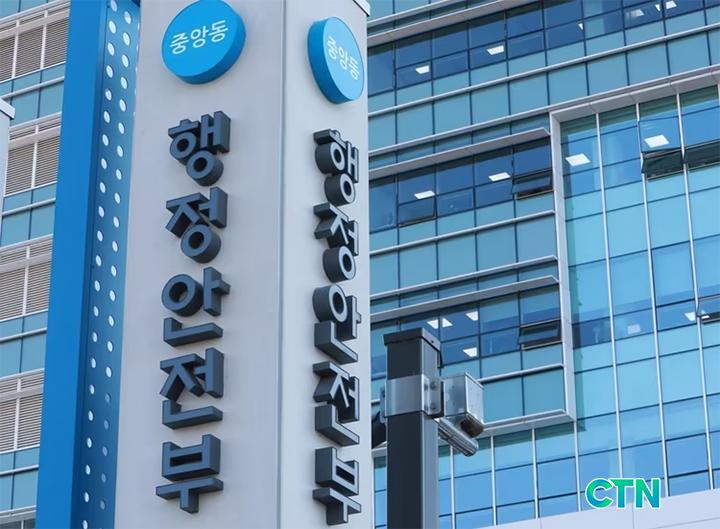
사진=행정안전부 제공
[행안부/CTN]가요진 기자= 홀로 사는 가구의 증가와 극심한 경제적 궁핍이 불러온 이른바 '현대적 절해고도(絶海孤島)', 사회적 고립 문제를 해결하기 위해 정부가 마을 단위의 따뜻한 식탁을 복원하는 실험에 나선다. 행정안전부는 지역 공동체의 연대력을 활용해 고립 가구를 발굴하고 이들의 일상을 돌보는 '온마을 돌봄밥상' 공모 사업의 최종 대상지 17곳을 확정해 10일 발표했다. 정부가 예산을 대고 민간이 운영을 맡는 전형적인 하향식 복지에서 벗어나, 주민들이 동네 공유주방을 거점으로 삼아 직접 식사를 매개로 이웃을 보듬는 상향식 복지 안전망을 구축한다는 취지다.
이번 사업에는 서울 관악구와 부산 동구처럼 고령화와 1인 가구 밀집도가 높은 대도시 지역은 물론, 경기 가평군, 충북 괴산군, 전남 해남군, 경남 합천군 등 인구 감소로 지역 소멸 위기에 직면한 농어촌 지자체까지 총 17개 지방정부가 이름을 올렸다. 행안부는 이들 지역에 총 3년간 최대 8,000만 원 규모의 특별교부세를 각각 지원해 거점 공간인 공유주방 조성을 이끌 계획이다. 이 공간에서 주민자치회와 마을공동체는 단순히 밥을 한 끼 대접하는 것을 넘어 반찬 배달, 영양·건강 상태 확인, 나아가 전문 심리 상담 기관과의 연계 체계까지 구축해 종합적인 밀착형 복지 서비스를 선보이게 된다.
지자체의 딱딱한 행정력만으로는 포착하기 어려웠던 복지 사각지대의 음지를 최일선 주민들이 직접 찾아내 지탱하겠다는 이번 시도는 긍정적인 행정 변화로 해석할 수 있다. 특히 공간 인프라 구축에 필수적인 재원을 특별교부세 형태로 신속히 하방해 지자체의 재정 부담을 덜어주고, 주민자치회에 사업의 기획과 운영 전권을 부여해 지역별 특성에 맞는 맞춤형 식단과 돌봄 메뉴를 설계할 수 있도록 열어둔 대목은 관료주의적 복지의 한계를 보완하려는 유연한 발상이다. 구본근 행안부 스마트복지안전공동체추진단장 역시 "온마을 돌봄밥상 사업이 단순한 먹거리 지원을 넘어 주민 간 관계를 회복하고 사회적 고립을 예방하는 지역 돌봄의 성공 모형으로 자리 잡을 수 있도록 적극적으로 돕겠다"라며 공간 조성 이후의 밀착 지원을 약속했다.
하지만 이 같은 '마을 밥상' 정책이 정부가 예산을 쥐어줄 때만 반짝 굴러가다 재원 지원이 끊기면 문을 닫는 '시한부 관제 급식소'로 전락할 위험성은 대단히 크다. 3년이라는 한정된 시범 운영 기간이 종료된 이후, 가뜩이나 재정 자립도가 바닥을 기는 기초 지자체들이 자체 재원만으로 이 공유주방의 인건비와 식자재 비용을 감당하기란 현실적으로 불가능에 가깝기 때문이다. 게다가 민간 주도라는 명분 이면에는 전문성이 부족한 동네 자원봉사자들의 선의와 노동력 착취에만 장기적 운영을 의존해야 한다는 고질적인 취약점도 도사리고 있다.
초기 공간 구축에만 세금을 쏟아붓는 안일한 예산 집행 관행에서 완전히 탈피해야 하는 이유가 여기에 있다. 정부는 지금부터라도 지역 농가나 사회적 기업과의 식자재 기부 연계망을 제도화하고, 유료 반찬 판매 사업 등의 수익 모델을 접목해 외부 보조금 없이도 굴러가는 자생적 재정 구조를 열어주어야 한다. 아울러 동네 주민들의 비전문적 돌봄이 가진 한계를 보완할 수 있도록 지역 보건소나 복지관의 전문 사회복지사 및 간호사를 공유주방 거점에 주기적으로 파견하는 민관 융합형 '하이브리드 돌봄 시스템'을 촘촘하게 제도화하는 일이야말로 3년 뒤 이 사업의 생사를 가를 진짜 과제다.
[영문번역 기사-AI활용]
The government is launching an experiment to restore warm dining tables at the village level to address the problem of social isolation, a modern-day "isolated island" brought about by an increase in single-person households and extreme economic deprivation. On June 10, the Ministry of the Interior and Safety finalized and announced 17 target locations for the 'On-Maul (Whole Village) Care Dining Table' public contest business, which utilizes the solidarity of local communities to discover isolated households and look after their daily lives. Breaking away from traditional top-down welfare where the government provides the budget and the private sector manages operations, the purpose is to build a bottom-up welfare safety net where residents directly care for their neighbors through meals using neighborhood shared kitchens as a base.
A total of 17 local governments made the list for this project, including metropolitan areas with a high density of elderly and single-person households, such as Gwanak-gu in Seoul and Dong-gu in Busan, as well as rural municipalities facing the crisis of local extinction due to population decline, including Gapyeong-gun in Gyeonggi-do, Goesan-gun in Chungcheongbuk-do, Haenam-gun in Jeollanam-do, and Hapcheon-gun in Gyeongsangnam-do. The Ministry plans to provide a special allocation tax of up to 80 million won each over a total of three years to guide the creation of shared kitchens, which will serve as anchor spaces. In these spaces, community-led organizations and residents' association groups will go beyond merely serving a single meal; they will provide comprehensive close-knit welfare services by delivering side dishes, checking nutrition and health statuses, and linking individuals with professional psychological counseling institutions.
This attempt to have residents at the forefront directly discover and support the shadows of welfare blind spots, which were difficult to capture with the rigid administrative power of local governments alone, can be interpreted as a positive change in administration. In particular, swiftly lowering necessary funds in the form of special allocation taxes to ease the financial burden on local governments, and granting full authority for planning and operation to residents' associations so they can design customized menus and care systems fitting regional characteristics, is a flexible approach to supplementing the limits of bureaucratic welfare. Ku Bon-geun, head of the Smart Welfare, Safety, and Community Promotion Group at the Ministry, also promised close support after the creation of the spaces, stating, "We will actively help the On-Maul Care Dining Table project grow into a successful regional care model that goes beyond simple food support to restore relationships among residents and prevent social isolation."
However, there is a significant risk that this 'village dining table' policy could degenerate into a 'time-limited state-run soup kitchen' that runs temporary operations only when the government squeezes out a budget, but closes its doors once financial support ceases. This is because it is practically impossible for basic local governments, whose financial independence is already scraping the bottom, to shoulder the labor and food ingredient costs of these shared kitchens entirely with their own independent resources after the limited three-year pilot period ends. Furthermore, underlying the justification of private leadership lies a chronic vulnerability that requires long-term reliance on the labor and goodwill of local volunteers who lack professional expertise.
This is precisely why authorities must completely break away from the complacent practice of spending tax money only on early space establishment. From now on, the government must institutionalize food ingredient donation networks involving local farms or social enterprises, and integrate profit models such as commercial side-dish sales to open up a self-reliant financial structure that functions without external subsidies. In addition, to supplement the limitations of non-professional care by local residents, institutionalizing a dense, public-private convergence 'hybrid care system'—which periodically dispatches professional social workers and nurses from local public health centers or welfare facilities to the shared kitchen bases—is the real task that will determine the survival of this project three years from now.
이번 사업에는 서울 관악구와 부산 동구처럼 고령화와 1인 가구 밀집도가 높은 대도시 지역은 물론, 경기 가평군, 충북 괴산군, 전남 해남군, 경남 합천군 등 인구 감소로 지역 소멸 위기에 직면한 농어촌 지자체까지 총 17개 지방정부가 이름을 올렸다. 행안부는 이들 지역에 총 3년간 최대 8,000만 원 규모의 특별교부세를 각각 지원해 거점 공간인 공유주방 조성을 이끌 계획이다. 이 공간에서 주민자치회와 마을공동체는 단순히 밥을 한 끼 대접하는 것을 넘어 반찬 배달, 영양·건강 상태 확인, 나아가 전문 심리 상담 기관과의 연계 체계까지 구축해 종합적인 밀착형 복지 서비스를 선보이게 된다.
지자체의 딱딱한 행정력만으로는 포착하기 어려웠던 복지 사각지대의 음지를 최일선 주민들이 직접 찾아내 지탱하겠다는 이번 시도는 긍정적인 행정 변화로 해석할 수 있다. 특히 공간 인프라 구축에 필수적인 재원을 특별교부세 형태로 신속히 하방해 지자체의 재정 부담을 덜어주고, 주민자치회에 사업의 기획과 운영 전권을 부여해 지역별 특성에 맞는 맞춤형 식단과 돌봄 메뉴를 설계할 수 있도록 열어둔 대목은 관료주의적 복지의 한계를 보완하려는 유연한 발상이다. 구본근 행안부 스마트복지안전공동체추진단장 역시 "온마을 돌봄밥상 사업이 단순한 먹거리 지원을 넘어 주민 간 관계를 회복하고 사회적 고립을 예방하는 지역 돌봄의 성공 모형으로 자리 잡을 수 있도록 적극적으로 돕겠다"라며 공간 조성 이후의 밀착 지원을 약속했다.
하지만 이 같은 '마을 밥상' 정책이 정부가 예산을 쥐어줄 때만 반짝 굴러가다 재원 지원이 끊기면 문을 닫는 '시한부 관제 급식소'로 전락할 위험성은 대단히 크다. 3년이라는 한정된 시범 운영 기간이 종료된 이후, 가뜩이나 재정 자립도가 바닥을 기는 기초 지자체들이 자체 재원만으로 이 공유주방의 인건비와 식자재 비용을 감당하기란 현실적으로 불가능에 가깝기 때문이다. 게다가 민간 주도라는 명분 이면에는 전문성이 부족한 동네 자원봉사자들의 선의와 노동력 착취에만 장기적 운영을 의존해야 한다는 고질적인 취약점도 도사리고 있다.
초기 공간 구축에만 세금을 쏟아붓는 안일한 예산 집행 관행에서 완전히 탈피해야 하는 이유가 여기에 있다. 정부는 지금부터라도 지역 농가나 사회적 기업과의 식자재 기부 연계망을 제도화하고, 유료 반찬 판매 사업 등의 수익 모델을 접목해 외부 보조금 없이도 굴러가는 자생적 재정 구조를 열어주어야 한다. 아울러 동네 주민들의 비전문적 돌봄이 가진 한계를 보완할 수 있도록 지역 보건소나 복지관의 전문 사회복지사 및 간호사를 공유주방 거점에 주기적으로 파견하는 민관 융합형 '하이브리드 돌봄 시스템'을 촘촘하게 제도화하는 일이야말로 3년 뒤 이 사업의 생사를 가를 진짜 과제다.
[영문번역 기사-AI활용]
The government is launching an experiment to restore warm dining tables at the village level to address the problem of social isolation, a modern-day "isolated island" brought about by an increase in single-person households and extreme economic deprivation. On June 10, the Ministry of the Interior and Safety finalized and announced 17 target locations for the 'On-Maul (Whole Village) Care Dining Table' public contest business, which utilizes the solidarity of local communities to discover isolated households and look after their daily lives. Breaking away from traditional top-down welfare where the government provides the budget and the private sector manages operations, the purpose is to build a bottom-up welfare safety net where residents directly care for their neighbors through meals using neighborhood shared kitchens as a base.
A total of 17 local governments made the list for this project, including metropolitan areas with a high density of elderly and single-person households, such as Gwanak-gu in Seoul and Dong-gu in Busan, as well as rural municipalities facing the crisis of local extinction due to population decline, including Gapyeong-gun in Gyeonggi-do, Goesan-gun in Chungcheongbuk-do, Haenam-gun in Jeollanam-do, and Hapcheon-gun in Gyeongsangnam-do. The Ministry plans to provide a special allocation tax of up to 80 million won each over a total of three years to guide the creation of shared kitchens, which will serve as anchor spaces. In these spaces, community-led organizations and residents' association groups will go beyond merely serving a single meal; they will provide comprehensive close-knit welfare services by delivering side dishes, checking nutrition and health statuses, and linking individuals with professional psychological counseling institutions.
This attempt to have residents at the forefront directly discover and support the shadows of welfare blind spots, which were difficult to capture with the rigid administrative power of local governments alone, can be interpreted as a positive change in administration. In particular, swiftly lowering necessary funds in the form of special allocation taxes to ease the financial burden on local governments, and granting full authority for planning and operation to residents' associations so they can design customized menus and care systems fitting regional characteristics, is a flexible approach to supplementing the limits of bureaucratic welfare. Ku Bon-geun, head of the Smart Welfare, Safety, and Community Promotion Group at the Ministry, also promised close support after the creation of the spaces, stating, "We will actively help the On-Maul Care Dining Table project grow into a successful regional care model that goes beyond simple food support to restore relationships among residents and prevent social isolation."
However, there is a significant risk that this 'village dining table' policy could degenerate into a 'time-limited state-run soup kitchen' that runs temporary operations only when the government squeezes out a budget, but closes its doors once financial support ceases. This is because it is practically impossible for basic local governments, whose financial independence is already scraping the bottom, to shoulder the labor and food ingredient costs of these shared kitchens entirely with their own independent resources after the limited three-year pilot period ends. Furthermore, underlying the justification of private leadership lies a chronic vulnerability that requires long-term reliance on the labor and goodwill of local volunteers who lack professional expertise.
This is precisely why authorities must completely break away from the complacent practice of spending tax money only on early space establishment. From now on, the government must institutionalize food ingredient donation networks involving local farms or social enterprises, and integrate profit models such as commercial side-dish sales to open up a self-reliant financial structure that functions without external subsidies. In addition, to supplement the limitations of non-professional care by local residents, institutionalizing a dense, public-private convergence 'hybrid care system'—which periodically dispatches professional social workers and nurses from local public health centers or welfare facilities to the shared kitchen bases—is the real task that will determine the survival of this project three years from now.
 |
가요진 기자 gyj1119@naver.com
|