정읍시, 농가당 최대 75만원 풀었다
정읍시, 940ha 규모 '2026년 볏짚환원사업' 9월 4일까지 농가 모집
ha당 25만원 지원 통해 토양 유기물 함량 증대 및 화학비료 절감 도모
ha당 25만원 지원 통해 토양 유기물 함량 증대 및 화학비료 절감 도모
최동주 인턴기자입력 : 2026. 08. 19(수) 08:47


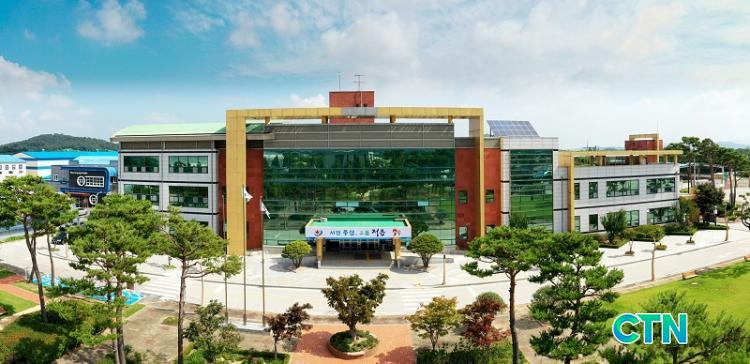
농업기술센터전경. 사진=정읍시청 제공
[정읍/CTN]최동주 기자= 정읍시 농수산유통과 관계자가 사업의 필요성을 강조하며 "볏짚을 논에 되돌려 넣으면 흙 속에 공기가 잘 통하고 물 빠짐이 좋아지며 유기물도 늘어난다"라며 "토양을 건강하게 가꾸고 안정적으로 고품질 쌀을 생산할 수 있도록 농업인들의 적극적인 참여를 바란다"라고 당부했다. 정읍시는 올해 940ha 규모의 볏짚환원사업을 추진하고 오는 9월 4일까지 참여 농가를 모집한다.
정읍시에 따르면 지원 대상은 농업경영체에 등록된 지역 농업인으로, 지원액은 ha당 25만 원이며 농가당 최대 3ha(75만 원)까지 신청할 수 있다.
'2026년 쌀경쟁력제고사업'의 일환인 볏짚환원사업은 벼 수확 후 볏짚을 절단해 논에 환원함으로써 토양 유기물을 늘리고 지력을 증진시켜 화학비료 사용을 줄이는 사업이다. 시는 오는 11월 이행 여부를 확인한 뒤 연말까지 지원금을 지급할 예정이다.
이처럼 벼 수확 후 볏짚을 토양으로 되돌려 지력을 증진하고 화학비료 절감을 유도하는 친환경 농업 지원책을 펼치는 것은 지속 가능한 농업 기반 조성을 위해 필요한 지자체의 행보다.
다만 매년 반복되어 온 연례 구율성 보조금 지급 사업을 두고 '쌀 경쟁력 제고'라는 거창한 명분을 붙여 대대적으로 홍보하는 것은 전형적인 생색내기식 보여주기 행정이라는 지적을 피하기 어렵다. 단순한 면적 할당이나 연말 지원금 지급 확인에 그칠 것이 아니라, 토양 유기물 수치 개선에 대한 정밀 측정과 쌀 생산성 및 농가 실질 소득 향상 등 현장에서 당장 체감할 수 있는 실리적 행정 성과가 우선되어야 할 것으로 보인다.
[영문번역 기사-AI활용]
An official from Jeong-eup City's Agricultural and Fisheries Distribution Division emphasized the project's utility, stating, "Returning rice straw to the fields improves soil aeration, drainage, and organic matter." The official added, "We encourage active participation so that farmers can cultivate healthy soil and stably produce high-quality rice." Jeong-eup City is recruiting participating farmers through September 4 for its 940-hectare rice straw return project this year.
According to the city, eligible applicants are registered local farmers, receiving 250,000 KRW per hectare up to a maximum of 3 hectares (750,000 KRW) per household.
Part of the '2026 Rice Competitiveness Enhancement Project,' the initiative chops and incorporates harvested rice straw back into paddy fields to boost soil fertility and reduce chemical fertilizer use. The city plans to inspect field implementation in November before disbursing funds by year-end.
While providing financial incentives for eco-friendly practices to improve soil health presents a plausible narrative for agricultural sustainability, skepticism remains.
Critics point out that packaging a routine annual subsidy program under grand slogans like 'rice competitiveness enhancement' borders on administrative showmanship and excessive self-praise. Rather than relying on simple area-based payouts or year-end field checks, the municipal government needs practical results, such as conducting soil quality metrics and demonstrating real gains in farm income.
정읍시에 따르면 지원 대상은 농업경영체에 등록된 지역 농업인으로, 지원액은 ha당 25만 원이며 농가당 최대 3ha(75만 원)까지 신청할 수 있다.
'2026년 쌀경쟁력제고사업'의 일환인 볏짚환원사업은 벼 수확 후 볏짚을 절단해 논에 환원함으로써 토양 유기물을 늘리고 지력을 증진시켜 화학비료 사용을 줄이는 사업이다. 시는 오는 11월 이행 여부를 확인한 뒤 연말까지 지원금을 지급할 예정이다.
이처럼 벼 수확 후 볏짚을 토양으로 되돌려 지력을 증진하고 화학비료 절감을 유도하는 친환경 농업 지원책을 펼치는 것은 지속 가능한 농업 기반 조성을 위해 필요한 지자체의 행보다.
다만 매년 반복되어 온 연례 구율성 보조금 지급 사업을 두고 '쌀 경쟁력 제고'라는 거창한 명분을 붙여 대대적으로 홍보하는 것은 전형적인 생색내기식 보여주기 행정이라는 지적을 피하기 어렵다. 단순한 면적 할당이나 연말 지원금 지급 확인에 그칠 것이 아니라, 토양 유기물 수치 개선에 대한 정밀 측정과 쌀 생산성 및 농가 실질 소득 향상 등 현장에서 당장 체감할 수 있는 실리적 행정 성과가 우선되어야 할 것으로 보인다.
[영문번역 기사-AI활용]
An official from Jeong-eup City's Agricultural and Fisheries Distribution Division emphasized the project's utility, stating, "Returning rice straw to the fields improves soil aeration, drainage, and organic matter." The official added, "We encourage active participation so that farmers can cultivate healthy soil and stably produce high-quality rice." Jeong-eup City is recruiting participating farmers through September 4 for its 940-hectare rice straw return project this year.
According to the city, eligible applicants are registered local farmers, receiving 250,000 KRW per hectare up to a maximum of 3 hectares (750,000 KRW) per household.
Part of the '2026 Rice Competitiveness Enhancement Project,' the initiative chops and incorporates harvested rice straw back into paddy fields to boost soil fertility and reduce chemical fertilizer use. The city plans to inspect field implementation in November before disbursing funds by year-end.
While providing financial incentives for eco-friendly practices to improve soil health presents a plausible narrative for agricultural sustainability, skepticism remains.
Critics point out that packaging a routine annual subsidy program under grand slogans like 'rice competitiveness enhancement' borders on administrative showmanship and excessive self-praise. Rather than relying on simple area-based payouts or year-end field checks, the municipal government needs practical results, such as conducting soil quality metrics and demonstrating real gains in farm income.
 |
최동주 인턴기자 dongjoo3333@naver.com
|