[발행인 칼럼]377억 들여 만든 생태하천, 잡초만 무성
가금현 기자입력 : 2026. 09. 10(목) 10:55


CTN 가금현 발행인
[CTN 가금현 발행인 칼럼]377억 원이 넘는 시민의 혈세를 들여 만든 생태하천이 잡초와 덩굴에 잠식되고, 시민의 안전을 지켜야 할 시설물마저 훼손된 채 방치되고 있다면 우리는 무엇을 먼저 물어야 하는가.
'왜 풀이 이렇게 많이 자랐느냐'가 아니다.
377억 원을 들여 만든 공공시설을 왜 이렇게 관리했느냐를 물어야 한다.
충남 당진시 역천 생태하천 복원사업은 2017년 10월부터 2020년 12월까지 추진됐다.
총사업비는 377억7,400만 원에 달한다.
약 9km에 이르는 구간에 수질정화습지와 생태탐방로, 생태여울, 생태어도 등을 조성해 치수와 환경 기능을 회복하고 시민들에게 생태적 휴식 공간을 제공하겠다는 것이 사업의 취지였다.
그런데 준공 후 몇 년이 지난 지금 현장의 모습은 사업 취지와 너무나 동떨어져 있다.
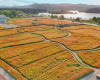
산책로 주변은 무성한 풀과 덩굴식물에 잠식되고, 일부 구간은 사람 키에 가까운 잡초가 자라 시민들의 보행을 방해하고 있다.
안내판은 잡초에 가려졌고 화장실로 이어지는 계단 주변도 관리되지 않은 모습이다.
더 심각한 것은 안전시설이다.
보행자의 안전을 위해 설치한 계단 난간이 쓰러진 채 방치되고, 화장실 창문 일부가 훼손된 모습까지 확인됐다.
이쯤 되면 단순한 '미관상의 문제'라고 치부할 수 없다.
시민이 이용하는 공공시설에서 안전시설물이 파손된 채 방치됐다면 이는 관리의 문제를 넘어 행정의 책임 문제다.
생태하천이라고 해서 모든 것을 자연에 맡겨놓아도 된다는 뜻은 아니다.
자연을 보존하는 것과 시설물을 방치하는 것은 전혀 다른 문제다.
생태적 가치를 지키기 위해 일부 구간의 식생을 유지할 수는 있다.
그러나 시민이 걷는 산책로를 풀이 덮도록 내버려두고, 안내시설을 가리고, 화장실 접근로를 막고, 난간이 쓰러져 있는데도 그대로 둔다면 그것은 생태 보전이 아니라 관리 부재다.
더욱 납득하기 어려운 것은 당진시의 답변이다.
당진시 관계자는 추석 명절 전에 제초작업을 할 예정이라면서 언제 제초작업을 했는지는 찾아봐야 한다고 말했다고 한다.
377억 원이 투입된 공공사업의 관리 담당 부서가 정기적인 제초작업이 언제 이뤄졌는지 즉시 확인하지 못한다는 것은 무엇을 의미하는가.
관리의 기준도, 기록도, 책임도 명확하지 않았다는 것 아닌가.
행정은 예산을 집행하고 사업을 준공하는 것으로 끝나는 것이 아니다.
오히려 공공시설은 준공 이후부터가 진짜 행정의 시작이다.
시설을 만드는 데 수백억 원을 투입했다면 그 시설을 10년, 20년 시민들이 안전하게 이용할 수 있도록 유지관리 계획과 예산, 담당 조직, 점검 주기까지 함께 설계했어야 한다.
그런데 문제가 불거진 뒤 내년부터는 당진천과 마찬가지로 1년에 3~4번 제초작업을 할 수 있도록 용역 계약을 추진하겠다고 한다.
묻지 않을 수 없다.
그렇다면 그동안은 무엇을 했는가.
준공 이후 지금까지 역천 생태하천을 누가, 얼마나 자주, 어떤 기준으로 점검했는가.
제초는 몇 차례 했으며, 시설물 안전점검은 언제 실시했는가.
쓰러진 난간과 훼손된 화장실 시설물은 언제 발견됐으며, 왜 아직까지 방치됐는가.
이런 기본적인 질문에 명확하게 답하지 못한다면 당진시가 해야 할 일은 해명이 아니라 관리체계 자체를 다시 들여다보는 것이다.
우리는 공공사업에서 너무 자주 '건설'만 보고 '관리'를 보지 않는다.
수백억 원을 들여 도로를 만들고, 공원을 만들고, 하천을 복원하고, 체육시설을 조성한다.
준공식에는 사람들이 모이고 현수막이 걸린다. 보도자료에는 성공적인 사업 성과가 나열된다.
그러나 준공식이 끝난 뒤에는 어떻게 되는가.
잡초가 자라고, 시설물이 낡고, 페인트가 벗겨지고, 안내판이 훼손돼도 책임 있게 관리하는 시스템은 작동하지 않는다.
결국 몇 년 뒤 시민들이 묻는다.
“이 시설을 왜 만들었습니까?”
그리고 언론이 현장을 취재한 뒤에야 행정은 부랴부랴 제초작업을 하고 시설물을 손본다.
이것이 반복되는 이른바 '지어놓고 보자식 행정'이다.
하지만 이제는 달라져야 한다.
공공시설 사업의 평가 기준을 얼마나 잘 지었는가에만 둘 것이 아니라 ‘얼마나 오랫동안 잘 관리했는가’까지 포함해야 한다.
역천 생태하천도 마찬가지다.
단순히 이번 추석을 앞두고 풀을 한 번 베는 것으로 끝낼 일이 아니다.
첫째, 쓰러진 난간과 훼손된 화장실 등 안전 관련 시설부터 즉시 전수점검하고 보수해야 한다.
둘째, 구간별·계절별 특성을 고려한 정기적인 제초 및 환경관리 기준을 마련해야 한다.
셋째, 제초와 시설물 점검 이력을 시민들이 확인할 수 있도록 관리기록을 투명하게 공개해야 한다.
넷째, 담당 부서와 책임자를 명확히 하고 문제가 발생했을 때 책임을 회피할 수 없는 책임관리제를 도입해야 한다.
무엇보다 중요한 것은 행정의 인식 변화다.
생태하천은 ‘한 번 만들어 놓으면 알아서 유지되는 시설’이 아니다.
살아 있는 하천을 시민의 공간으로 만들기 위해서는 지속적인 관심과 관리가 필요하다.
자연을 존중한다는 이유로 방치를 정당화해서도 안 된다.
잡초를 자연이라고 부르는 순간, 관리해야 할 행정의 책임까지 자연에 떠넘기는 꼴이 된다.
377억7,400만 원.
결코 가벼운 돈이 아니다.
그 돈에는 시민 한 사람 한 사람의 세금이 들어 있다. 당진시가 시민들에게 돌려줘야 할 것은 ‘준공된 시설’이라는 이름이 아니라 안전하고 쾌적하게 이용할 수 있는 실제 공간이다.
역천이 다시 시민들의 발길이 이어지는 생태 휴식공간이 되느냐, 막대한 혈세가 투입되고도 외면받는 시설로 남느냐는 결국 당진시의 의지에 달렸다.
지금 필요한 것은 변명이 아니다.
한 번의 제초작업도 아니다.
377억 원의 사업비에 걸맞은 관리 책임을 어떻게 질 것인지에 대한 당진시의 분명한 답변이다.
공공시설은 만드는 순간 행정의 성과가 되는 것이 아니다.
시민들이 10년, 20년 동안 안전하게 이용할 수 있을 때 비로소 그 사업은 성공했다고 평가받을 수 있다.
당진시는 이제라도 역천을 다시 살펴봐야 한다.
그리고 시민 앞에 답해야 한다.
'377억 원을 들여 만든 역천 생태하천을 앞으로 어떻게 책임지고 관리할 것인가.'
그 답이 또다시 '추후 검토'나 '용역 추진'으로 끝나서는 안 된다.
시민들이 원하는 것은 말이 아니라 달라진 현장이기 때문이다.
[영문번역칼럼-AI]
KRW 37.7 Billion Spent on an Ecological River, Yet Only Weeds Remain: Has Dangjin City Forgotten Its Responsibility After Construction?
[CTN Publisher’s Column by Ga Geum-hyeon]
What should we ask when an ecological river built with more than KRW 37.7 billion in taxpayers’ money has become overgrown with weeds, while public facilities intended to protect citizens’ safety have been left damaged and unattended?
The first question should not be, “Why are there so many weeds?”
It should be:
“Why has a public facility built with KRW 37.7 billion been managed like this?”
The Yeokcheon Ecological River Restoration Project in Dangjin, Chungcheongnam-do, was carried out from October 2017 to December 2020. The project cost a total of KRW 37.774 billion. Over approximately nine kilometers, facilities including water purification wetlands, ecological trails, ecological riffles and fish passages were created with the stated goal of restoring flood-control and environmental functions while providing citizens with an ecological recreational space.
Yet several years after completion, the current condition of the site is far removed from that original purpose.
Weeds and vines have overtaken sections of the walking paths, with vegetation in some areas growing nearly to the height of an adult. Information boards have become obscured, while stairs leading to public restrooms are surrounded by overgrown vegetation.
Even more concerning are the damaged safety facilities.
Some handrails installed to protect pedestrians have reportedly collapsed and remained unattended. Parts of the restroom windows have also been damaged.
This can no longer be dismissed as merely an issue of appearance.
When safety facilities at a public site are damaged and left unattended, it is not simply a maintenance problem. It is an issue of administrative responsibility.
Calling something an ecological river does not mean everything can simply be left to nature.
Protecting nature and abandoning public facilities are two completely different things.
There may be areas where vegetation should be preserved for ecological reasons. But allowing grass to cover walking paths, obscure information boards, block access to restrooms and leaving collapsed handrails unrepaired is not ecological conservation.
It is a failure of management.
Even more difficult to understand is Dangjin City’s response.
According to the city, weed removal is scheduled before the Chuseok holiday, while officials reportedly said they would have to check when the previous weed-removal work had actually been carried out.
What does it mean if the department responsible for a public project costing KRW 37.7 billion cannot immediately determine when routine maintenance was last performed?
Does this not indicate that the standards, records and responsibility for maintenance have not been clearly established?
Administration does not end when a budget is spent and a project is declared complete.
In fact, for public facilities, completion should mark the beginning of genuine administrative responsibility.
If hundreds of billions of won are invested in a public facility, the government should also establish a long-term maintenance plan, secure budgets, assign responsible personnel and determine inspection schedules so citizens can safely use the facility for decades.
Yet only after criticism emerged did the city say it plans to introduce a service contract allowing weed removal three or four times a year starting next year, similar to the management of Dangjincheon.
This inevitably raises a question:
Then what has been done until now?
Who inspected the Yeokcheon Ecological River after completion, how often was it inspected and according to what standards?
How many times was weed removal conducted?
When were safety inspections carried out?
When were the collapsed handrails and damaged restroom facilities discovered, and why were they left unattended?
If the city cannot provide clear answers to these basic questions, what Dangjin City needs is not another explanation but a fundamental review of its entire maintenance system.
Too often, public projects focus on construction while neglecting maintenance.
Hundreds of billions of won are spent building roads, parks, riverside facilities and sports complexes. Grand opening ceremonies are held, banners are displayed and press releases highlight the project’s achievements.
But what happens after the ceremony is over?
Weeds grow. Facilities deteriorate. Paint peels. Information boards become damaged. And the system responsible for maintaining them fails to function properly.
Then, several years later, citizens ask:
“Why was this facility built?”
Only after media reports and public criticism does the administration rush to remove the weeds and repair the facilities.
This is the recurring problem of “build first, worry about maintenance later” administration.
That must change.
The success of a public project should not be judged solely by how well it was constructed, but also by how well it has been maintained over the years.
The same principle must apply to Yeokcheon.
Removing the weeds once before Chuseok cannot be the end of the matter.
First, Dangjin City should conduct an immediate comprehensive inspection and repair of all safety-related facilities, including collapsed handrails and damaged restrooms.
Second, it should establish regular weed-control and environmental-management standards based on each section’s ecological and seasonal characteristics.
Third, maintenance records should be made publicly accessible, allowing citizens to see when weed removal and facility inspections were conducted.
Fourth, responsible departments and officials should be clearly designated, with a management accountability system that prevents responsibility from being passed around when problems arise.
Above all, what is needed is a change in administrative thinking.
An ecological river is not a facility that can simply be built once and expected to maintain itself.
A living river transformed into a public space requires continuous attention and management.
Nor should neglect ever be justified in the name of protecting nature.
The moment weeds are simply called “nature,” administrative responsibility for managing the site risks being handed over to nature as well.
KRW 37.774 billion is not a small amount of money.
That money comes from the taxes paid by individual citizens.
What Dangjin City owes its citizens is not merely a facility that has been officially completed. It owes them a safe, clean and genuinely usable public space.
Whether Yeokcheon becomes an ecological recreational space once again or remains a neglected facility that symbolizes wasted public money ultimately depends on Dangjin City’s willingness to take responsibility.
What is needed now is not an excuse.
It is not a one-time weed-removal operation.
What citizens deserve is a clear answer from Dangjin City on how it will take responsibility for maintaining a KRW 37.7 billion public project.
A public facility does not become an administrative success simply because construction is complete.
It can be called successful only when citizens can safely and comfortably use it for the next 10 or 20 years.
Dangjin City must take another serious look at Yeokcheon.
And it must answer its citizens:
“How will we take responsibility for the Yeokcheon Ecological River built with KRW 37.7 billion?”
That answer cannot once again be reduced to “further review” or “we will pursue a service contract.”
Because what citizens want is not another promise.
They want to see the site actually change.
CTN Publisher Ga Geum-hyeon
'왜 풀이 이렇게 많이 자랐느냐'가 아니다.
377억 원을 들여 만든 공공시설을 왜 이렇게 관리했느냐를 물어야 한다.
충남 당진시 역천 생태하천 복원사업은 2017년 10월부터 2020년 12월까지 추진됐다.
총사업비는 377억7,400만 원에 달한다.
약 9km에 이르는 구간에 수질정화습지와 생태탐방로, 생태여울, 생태어도 등을 조성해 치수와 환경 기능을 회복하고 시민들에게 생태적 휴식 공간을 제공하겠다는 것이 사업의 취지였다.
그런데 준공 후 몇 년이 지난 지금 현장의 모습은 사업 취지와 너무나 동떨어져 있다.
산책로 주변은 무성한 풀과 덩굴식물에 잠식되고, 일부 구간은 사람 키에 가까운 잡초가 자라 시민들의 보행을 방해하고 있다.
안내판은 잡초에 가려졌고 화장실로 이어지는 계단 주변도 관리되지 않은 모습이다.
더 심각한 것은 안전시설이다.
보행자의 안전을 위해 설치한 계단 난간이 쓰러진 채 방치되고, 화장실 창문 일부가 훼손된 모습까지 확인됐다.
이쯤 되면 단순한 '미관상의 문제'라고 치부할 수 없다.
시민이 이용하는 공공시설에서 안전시설물이 파손된 채 방치됐다면 이는 관리의 문제를 넘어 행정의 책임 문제다.
생태하천이라고 해서 모든 것을 자연에 맡겨놓아도 된다는 뜻은 아니다.
자연을 보존하는 것과 시설물을 방치하는 것은 전혀 다른 문제다.
생태적 가치를 지키기 위해 일부 구간의 식생을 유지할 수는 있다.
그러나 시민이 걷는 산책로를 풀이 덮도록 내버려두고, 안내시설을 가리고, 화장실 접근로를 막고, 난간이 쓰러져 있는데도 그대로 둔다면 그것은 생태 보전이 아니라 관리 부재다.
더욱 납득하기 어려운 것은 당진시의 답변이다.
당진시 관계자는 추석 명절 전에 제초작업을 할 예정이라면서 언제 제초작업을 했는지는 찾아봐야 한다고 말했다고 한다.
377억 원이 투입된 공공사업의 관리 담당 부서가 정기적인 제초작업이 언제 이뤄졌는지 즉시 확인하지 못한다는 것은 무엇을 의미하는가.
관리의 기준도, 기록도, 책임도 명확하지 않았다는 것 아닌가.
행정은 예산을 집행하고 사업을 준공하는 것으로 끝나는 것이 아니다.
오히려 공공시설은 준공 이후부터가 진짜 행정의 시작이다.
시설을 만드는 데 수백억 원을 투입했다면 그 시설을 10년, 20년 시민들이 안전하게 이용할 수 있도록 유지관리 계획과 예산, 담당 조직, 점검 주기까지 함께 설계했어야 한다.
그런데 문제가 불거진 뒤 내년부터는 당진천과 마찬가지로 1년에 3~4번 제초작업을 할 수 있도록 용역 계약을 추진하겠다고 한다.
묻지 않을 수 없다.
그렇다면 그동안은 무엇을 했는가.
준공 이후 지금까지 역천 생태하천을 누가, 얼마나 자주, 어떤 기준으로 점검했는가.
제초는 몇 차례 했으며, 시설물 안전점검은 언제 실시했는가.
쓰러진 난간과 훼손된 화장실 시설물은 언제 발견됐으며, 왜 아직까지 방치됐는가.
이런 기본적인 질문에 명확하게 답하지 못한다면 당진시가 해야 할 일은 해명이 아니라 관리체계 자체를 다시 들여다보는 것이다.
우리는 공공사업에서 너무 자주 '건설'만 보고 '관리'를 보지 않는다.
수백억 원을 들여 도로를 만들고, 공원을 만들고, 하천을 복원하고, 체육시설을 조성한다.
준공식에는 사람들이 모이고 현수막이 걸린다. 보도자료에는 성공적인 사업 성과가 나열된다.
그러나 준공식이 끝난 뒤에는 어떻게 되는가.
잡초가 자라고, 시설물이 낡고, 페인트가 벗겨지고, 안내판이 훼손돼도 책임 있게 관리하는 시스템은 작동하지 않는다.
결국 몇 년 뒤 시민들이 묻는다.
“이 시설을 왜 만들었습니까?”
그리고 언론이 현장을 취재한 뒤에야 행정은 부랴부랴 제초작업을 하고 시설물을 손본다.
이것이 반복되는 이른바 '지어놓고 보자식 행정'이다.
하지만 이제는 달라져야 한다.
공공시설 사업의 평가 기준을 얼마나 잘 지었는가에만 둘 것이 아니라 ‘얼마나 오랫동안 잘 관리했는가’까지 포함해야 한다.
역천 생태하천도 마찬가지다.
단순히 이번 추석을 앞두고 풀을 한 번 베는 것으로 끝낼 일이 아니다.
첫째, 쓰러진 난간과 훼손된 화장실 등 안전 관련 시설부터 즉시 전수점검하고 보수해야 한다.
둘째, 구간별·계절별 특성을 고려한 정기적인 제초 및 환경관리 기준을 마련해야 한다.
셋째, 제초와 시설물 점검 이력을 시민들이 확인할 수 있도록 관리기록을 투명하게 공개해야 한다.
넷째, 담당 부서와 책임자를 명확히 하고 문제가 발생했을 때 책임을 회피할 수 없는 책임관리제를 도입해야 한다.
무엇보다 중요한 것은 행정의 인식 변화다.
생태하천은 ‘한 번 만들어 놓으면 알아서 유지되는 시설’이 아니다.
살아 있는 하천을 시민의 공간으로 만들기 위해서는 지속적인 관심과 관리가 필요하다.
자연을 존중한다는 이유로 방치를 정당화해서도 안 된다.
잡초를 자연이라고 부르는 순간, 관리해야 할 행정의 책임까지 자연에 떠넘기는 꼴이 된다.
377억7,400만 원.
결코 가벼운 돈이 아니다.
그 돈에는 시민 한 사람 한 사람의 세금이 들어 있다. 당진시가 시민들에게 돌려줘야 할 것은 ‘준공된 시설’이라는 이름이 아니라 안전하고 쾌적하게 이용할 수 있는 실제 공간이다.
역천이 다시 시민들의 발길이 이어지는 생태 휴식공간이 되느냐, 막대한 혈세가 투입되고도 외면받는 시설로 남느냐는 결국 당진시의 의지에 달렸다.
지금 필요한 것은 변명이 아니다.
한 번의 제초작업도 아니다.
377억 원의 사업비에 걸맞은 관리 책임을 어떻게 질 것인지에 대한 당진시의 분명한 답변이다.
공공시설은 만드는 순간 행정의 성과가 되는 것이 아니다.
시민들이 10년, 20년 동안 안전하게 이용할 수 있을 때 비로소 그 사업은 성공했다고 평가받을 수 있다.
당진시는 이제라도 역천을 다시 살펴봐야 한다.
그리고 시민 앞에 답해야 한다.
'377억 원을 들여 만든 역천 생태하천을 앞으로 어떻게 책임지고 관리할 것인가.'
그 답이 또다시 '추후 검토'나 '용역 추진'으로 끝나서는 안 된다.
시민들이 원하는 것은 말이 아니라 달라진 현장이기 때문이다.
[영문번역칼럼-AI]
KRW 37.7 Billion Spent on an Ecological River, Yet Only Weeds Remain: Has Dangjin City Forgotten Its Responsibility After Construction?
[CTN Publisher’s Column by Ga Geum-hyeon]
What should we ask when an ecological river built with more than KRW 37.7 billion in taxpayers’ money has become overgrown with weeds, while public facilities intended to protect citizens’ safety have been left damaged and unattended?
The first question should not be, “Why are there so many weeds?”
It should be:
“Why has a public facility built with KRW 37.7 billion been managed like this?”
The Yeokcheon Ecological River Restoration Project in Dangjin, Chungcheongnam-do, was carried out from October 2017 to December 2020. The project cost a total of KRW 37.774 billion. Over approximately nine kilometers, facilities including water purification wetlands, ecological trails, ecological riffles and fish passages were created with the stated goal of restoring flood-control and environmental functions while providing citizens with an ecological recreational space.
Yet several years after completion, the current condition of the site is far removed from that original purpose.
Weeds and vines have overtaken sections of the walking paths, with vegetation in some areas growing nearly to the height of an adult. Information boards have become obscured, while stairs leading to public restrooms are surrounded by overgrown vegetation.
Even more concerning are the damaged safety facilities.
Some handrails installed to protect pedestrians have reportedly collapsed and remained unattended. Parts of the restroom windows have also been damaged.
This can no longer be dismissed as merely an issue of appearance.
When safety facilities at a public site are damaged and left unattended, it is not simply a maintenance problem. It is an issue of administrative responsibility.
Calling something an ecological river does not mean everything can simply be left to nature.
Protecting nature and abandoning public facilities are two completely different things.
There may be areas where vegetation should be preserved for ecological reasons. But allowing grass to cover walking paths, obscure information boards, block access to restrooms and leaving collapsed handrails unrepaired is not ecological conservation.
It is a failure of management.
Even more difficult to understand is Dangjin City’s response.
According to the city, weed removal is scheduled before the Chuseok holiday, while officials reportedly said they would have to check when the previous weed-removal work had actually been carried out.
What does it mean if the department responsible for a public project costing KRW 37.7 billion cannot immediately determine when routine maintenance was last performed?
Does this not indicate that the standards, records and responsibility for maintenance have not been clearly established?
Administration does not end when a budget is spent and a project is declared complete.
In fact, for public facilities, completion should mark the beginning of genuine administrative responsibility.
If hundreds of billions of won are invested in a public facility, the government should also establish a long-term maintenance plan, secure budgets, assign responsible personnel and determine inspection schedules so citizens can safely use the facility for decades.
Yet only after criticism emerged did the city say it plans to introduce a service contract allowing weed removal three or four times a year starting next year, similar to the management of Dangjincheon.
This inevitably raises a question:
Then what has been done until now?
Who inspected the Yeokcheon Ecological River after completion, how often was it inspected and according to what standards?
How many times was weed removal conducted?
When were safety inspections carried out?
When were the collapsed handrails and damaged restroom facilities discovered, and why were they left unattended?
If the city cannot provide clear answers to these basic questions, what Dangjin City needs is not another explanation but a fundamental review of its entire maintenance system.
Too often, public projects focus on construction while neglecting maintenance.
Hundreds of billions of won are spent building roads, parks, riverside facilities and sports complexes. Grand opening ceremonies are held, banners are displayed and press releases highlight the project’s achievements.
But what happens after the ceremony is over?
Weeds grow. Facilities deteriorate. Paint peels. Information boards become damaged. And the system responsible for maintaining them fails to function properly.
Then, several years later, citizens ask:
“Why was this facility built?”
Only after media reports and public criticism does the administration rush to remove the weeds and repair the facilities.
This is the recurring problem of “build first, worry about maintenance later” administration.
That must change.
The success of a public project should not be judged solely by how well it was constructed, but also by how well it has been maintained over the years.
The same principle must apply to Yeokcheon.
Removing the weeds once before Chuseok cannot be the end of the matter.
First, Dangjin City should conduct an immediate comprehensive inspection and repair of all safety-related facilities, including collapsed handrails and damaged restrooms.
Second, it should establish regular weed-control and environmental-management standards based on each section’s ecological and seasonal characteristics.
Third, maintenance records should be made publicly accessible, allowing citizens to see when weed removal and facility inspections were conducted.
Fourth, responsible departments and officials should be clearly designated, with a management accountability system that prevents responsibility from being passed around when problems arise.
Above all, what is needed is a change in administrative thinking.
An ecological river is not a facility that can simply be built once and expected to maintain itself.
A living river transformed into a public space requires continuous attention and management.
Nor should neglect ever be justified in the name of protecting nature.
The moment weeds are simply called “nature,” administrative responsibility for managing the site risks being handed over to nature as well.
KRW 37.774 billion is not a small amount of money.
That money comes from the taxes paid by individual citizens.
What Dangjin City owes its citizens is not merely a facility that has been officially completed. It owes them a safe, clean and genuinely usable public space.
Whether Yeokcheon becomes an ecological recreational space once again or remains a neglected facility that symbolizes wasted public money ultimately depends on Dangjin City’s willingness to take responsibility.
What is needed now is not an excuse.
It is not a one-time weed-removal operation.
What citizens deserve is a clear answer from Dangjin City on how it will take responsibility for maintaining a KRW 37.7 billion public project.
A public facility does not become an administrative success simply because construction is complete.
It can be called successful only when citizens can safely and comfortably use it for the next 10 or 20 years.
Dangjin City must take another serious look at Yeokcheon.
And it must answer its citizens:
“How will we take responsibility for the Yeokcheon Ecological River built with KRW 37.7 billion?”
That answer cannot once again be reduced to “further review” or “we will pursue a service contract.”
Because what citizens want is not another promise.
They want to see the site actually change.
CTN Publisher Ga Geum-hyeon
 |
가금현 기자 ggh7000@hanmail.net
가금현 기자 입니다.
긍정적인 사고로 의리를 지키며 살고싶다.
술은 웃음소리가 밖에까지 들리도록 마셔라!
내가 그자리에 있다고
CTN·충청탑뉴스·CTN방송 발행인
|
#CTN #씨티엔 #CTN충남방송 #가금현 #가금현발행인 #발행인칼럼 #가금현칼럼 #충남 #당진 #당진시 #역천 #역천생태하천 #역천생태하천복원사업 #생태하천 #생태하천복원 #377억원 #377억혈세 #혈세낭비 #공공사업 #공공시설 #시설물관리 #사후관리 #행정부실 #행정무관심 #뒷북행정 #지어놓고보자식행정 #시민안전 #시민혈세 #하천관리 #환경행정 #생태공원 #산책로 #시설물점검 #제초작업 #당진시행정 #충남언론 #지역언론 #지역현안 #시민의목소리 #행정책임 #공공자산 #세금낭비 #관리체계 #상시관리 #안전관리 #시민휴식공간 #CTN가금현발행인 #CTN #CTNNews #GaGeumHyeon #CTNPublisher #PublishersColumn #Dangjin #DangjinCity #Chungcheongnamdo #Yeokcheon #YeokcheonEcologicalRiver #EcologicalRiver #RiverRestoration #PublicFunds #TaxpayersMoney #KRW37Billion #PublicProject #PublicFacilities #MaintenanceFailure #AdministrativeFailure #GovernmentAccountability #CitizenSafety #EnvironmentalManagement #RiverManagement #WeedControl #FacilityInspection #PublicAsset #LocalGovernment #LocalNews #KoreanLocalMedia #AdministrativeResponsibility #PublicSafety #SustainableManagement #EcologicalRestoration #CivicRights #CTNColumn #GaGeumHyeonColumn