병무청, 복잡한 '해외 병역' 책임 전가 논란
-병무청, 11일 서울 공군호텔에서 캐나다·인도 등 17개국 파견 예정 신임 국방무관 19명 대상 설명회 가동
-병역판정검사장 참관 및 복수국적자 병역이행, 국외여행허가 등 재외국민 밀접 병역제도 안내
-병역판정검사장 참관 및 복수국적자 병역이행, 국외여행허가 등 재외국민 밀접 병역제도 안내
가요진 기자입력 : 2026. 06. 17(수) 08:40


사진=병무청 제공
[병무청/CTN]가요진 기자= 김용무 병무청 차장은 "복잡해지는 국제 안보 정세 속에서 재외국민에 대한 정확한 병역 정보 제공이 중요해지고 있다"며 "국방무관들이 교민사회와 병무청을 잇는 소통 창구 역할을 해주길 바란다"고 당부했다. 정부 병무 사정 당국이 글로벌 안보 환경 변화에 대응하고 해외 체류 재외국민들의 병역 관련 민원을 선제적으로 관리하기 위해 파견을 앞둔 신임 군사외교관들을 대상으로 정책 공조 강화에 나섰다.
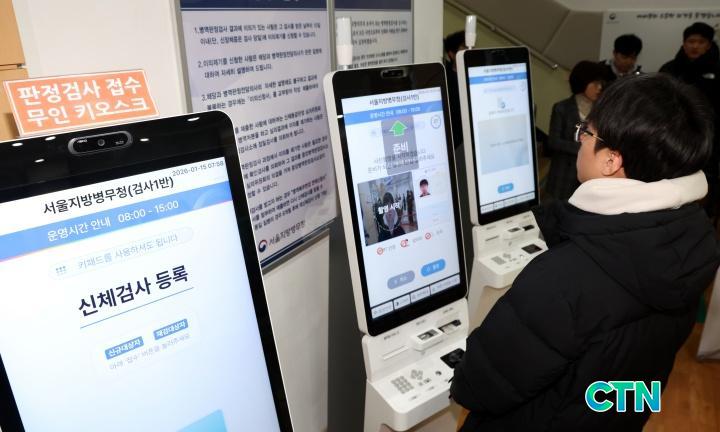
병무청은 지난 11일 서울 공군호텔에서 오는 8월부터 캐나다, 인도, 오스트레일리아 등 17개 국가에 파견될 예정인 신임 국방무관 등 19명을 초청해 병역제도 설명회를 개최했다고 발표했다. 국방무관은 주재국에서 군사 관련 외교를 전담하는 외교관 신분의 장교다. 이번 행사는 군사외교관으로서 역할을 수행하게 될 이들에게 복잡한 병무 정책 및 제도에 대한 이해도를 높여, 현지 교민사회에 정확한 병역 정보를 제공하고 재외국민과의 소통을 활성화하겠다는 취지로 마련됐다. 신임 무관들은 설명회에 앞서 서울지방병무청 병역판정검사장을 직접 방문해 입영 대상자들이 거치는 검사 과정을 참관했다. 이어진 설명회 본 세션에서는 복수국적자의 병역이행 절차와 국외여행허가 제도 등 재외국민들이 가장 민감하게 반응하는 핵심 병역제도를 중심으로 실무 교육이 진행됐다.
정부 부처가 국가 방위의 핵심 자산이자 해외 최일선 안보 거점인 국방무관 조직을 활용해 복수국적자의 병역 기피 논란을 방지하고, 국외 체류 의무자들의 제도적 접근성을 정무적으로 강화하려 한 시도는 재외 교민 행정 효율화 측면에서 실효성 높은 행정 사례로 풀이된다. 특히 파견 전 공백기를 활용해 병역판정검사 현장 견학을 연계하고 외교 현장에서 발생할 수 있는 병무 민원의 가이드라인을 정무적으로 선제 제공하려 한 대목은 병무청의 촘촘한 대외 협력 기획력이 반영된 결과다.
그러나 일각에서는 이러한 설명회 중심의 정책이 단 19명에 불과한 신임 무관들을 소집해 군사외교라는 본연의 소임 대신 대민 영사 업무성 병역 상담 책임을 전가하는 단발성 보여주기식 전시 행정에 그치고 있다는 지적도 나온다. 교민사회 소통 창구라는 명분을 내세웠더라도, 정작 국방무관의 일차적 임무는 주재국과의 군사 협력 및 안보 정보 수집이며, 병역 민원은 원칙적으로 주재국 총영사관의 고유 업무인 만큼 실무적 영역에서 주객전도가 일어날 수 있기 때문이다. 아울러 파견 이후 현지 교민들이 체감할 수 있는 상설 디지털 병무 상담 시스템의 고도화나 영사 인력과의 유기적인 공조 체계 구축 등 구조적인 보완책이 동반되지 않는다면, 기관의 실적 쌓기용 이벤트 직후 현지 외교 현장에서는 먹통이 될 위험이 크다. 이에 따라 설명회 종료 이후에도 무관들이 수집한 현지 교민들의 병무 애로사항을 본청으로 실시간 환류할 수 있는 온라인 핫라인을 구축하고, 외교부와의 실무 협의를 고도화하는 실무 상설 관리망 등 사후 보완책 마련이 시급하다는 목소리가 힘을 얻고 있다.
[영문번역 기사-AI활용]
Kim Yong-mu, Deputy Commissioner of the Military Manpower Administration, stated, "Amidst the increasingly complex international security situation, providing accurate military service information to overseas Koreans is becoming crucial. I repeatedly urge defense attachés to serve as a communication channel bridging the overseas Korean community and the Military Manpower Administration." The government military service audit authority has driven policy cooperation with newly appointed military diplomats ahead of their deployment to preemptively manage military service complaints from citizens staying abroad and adapt to changes in the global security environment.
The Military Manpower Administration announced that it held a military service system briefing on the 11th at the Air Force Hotel in Seoul, inviting 19 newly appointed defense attachés scheduled to be dispatched to 17 countries, including Canada, India, and Australia, starting this August. A defense attaché is an officer with diplomatic status who is solely in charge of military-related diplomacy in the host country. This event was organized to enhance their understanding of complex military service policies and systems, thereby allowing them to provide accurate military service information to the local overseas Korean community and vitalize communication with nationals abroad. Prior to the briefing, the newly appointed attachés personally visited the draft physical examination room of the Seoul Regional Military Manpower Administration to observe the inspection process that conscripts undergo. In the following briefing session, practical education was conducted focusing on core military service systems that overseas Koreans are most sensitive to, such as military service fulfillment procedures for dual citizens and the overseas travel permission system.
The move where the government department utilized the defense attaché organization—a core asset of national defense and the foremost security stronghold overseas—to prevent controversies over draft evasion by dual citizens and tried to politically enhance institutional accessibility for citizens staying abroad, is interpreted as a highly effective administrative case in terms of streamlining overseas Korean administration. In particular, utilizing the pre-deployment gap to link on-site tours of draft physical examinations and attempting to politically provide guidelines in advance for military service complaints that may arise in diplomatic fields highlights the reflection of the Military Manpower Administration's tight external cooperation planning power.
However, some critics point out that these briefing-centered policies merely stop at short-term show-style exhibition administrations that summon only 19 newly appointed attachés and shift the responsibility of public consular-style military service counseling onto them instead of their inherent duties of military diplomacy. Even if they put forward the justification of being a communication channel for the overseas Korean community, the primary mission of a defense attaché is military cooperation and security intelligence collection with the host country, and since military service complaints are fundamentally the unique duty of the local Consulate General, a displacement of goals may occur in practical fields. Furthermore, if structural supplementations—such as advancing a permanent digital military service counseling system that local residents can practically feel after deployment or establishing an organic post-cooperation framework with consular staff—are not accompanied in a post-manner, there is a high risk that the local diplomatic field will become defective in a post-manner right after the agency's political exploit event ends. growth. Accordingly, voices are gaining ground calling for urgent follow-up supplementary measures, such as a practical permanent management network, to establish a post-online hotline that can return local military service difficulties collected by attachés to the main office in real-time and to elaborate practical consultations with the Ministry of Foreign Affairs.
병무청은 지난 11일 서울 공군호텔에서 오는 8월부터 캐나다, 인도, 오스트레일리아 등 17개 국가에 파견될 예정인 신임 국방무관 등 19명을 초청해 병역제도 설명회를 개최했다고 발표했다. 국방무관은 주재국에서 군사 관련 외교를 전담하는 외교관 신분의 장교다. 이번 행사는 군사외교관으로서 역할을 수행하게 될 이들에게 복잡한 병무 정책 및 제도에 대한 이해도를 높여, 현지 교민사회에 정확한 병역 정보를 제공하고 재외국민과의 소통을 활성화하겠다는 취지로 마련됐다. 신임 무관들은 설명회에 앞서 서울지방병무청 병역판정검사장을 직접 방문해 입영 대상자들이 거치는 검사 과정을 참관했다. 이어진 설명회 본 세션에서는 복수국적자의 병역이행 절차와 국외여행허가 제도 등 재외국민들이 가장 민감하게 반응하는 핵심 병역제도를 중심으로 실무 교육이 진행됐다.
정부 부처가 국가 방위의 핵심 자산이자 해외 최일선 안보 거점인 국방무관 조직을 활용해 복수국적자의 병역 기피 논란을 방지하고, 국외 체류 의무자들의 제도적 접근성을 정무적으로 강화하려 한 시도는 재외 교민 행정 효율화 측면에서 실효성 높은 행정 사례로 풀이된다. 특히 파견 전 공백기를 활용해 병역판정검사 현장 견학을 연계하고 외교 현장에서 발생할 수 있는 병무 민원의 가이드라인을 정무적으로 선제 제공하려 한 대목은 병무청의 촘촘한 대외 협력 기획력이 반영된 결과다.
그러나 일각에서는 이러한 설명회 중심의 정책이 단 19명에 불과한 신임 무관들을 소집해 군사외교라는 본연의 소임 대신 대민 영사 업무성 병역 상담 책임을 전가하는 단발성 보여주기식 전시 행정에 그치고 있다는 지적도 나온다. 교민사회 소통 창구라는 명분을 내세웠더라도, 정작 국방무관의 일차적 임무는 주재국과의 군사 협력 및 안보 정보 수집이며, 병역 민원은 원칙적으로 주재국 총영사관의 고유 업무인 만큼 실무적 영역에서 주객전도가 일어날 수 있기 때문이다. 아울러 파견 이후 현지 교민들이 체감할 수 있는 상설 디지털 병무 상담 시스템의 고도화나 영사 인력과의 유기적인 공조 체계 구축 등 구조적인 보완책이 동반되지 않는다면, 기관의 실적 쌓기용 이벤트 직후 현지 외교 현장에서는 먹통이 될 위험이 크다. 이에 따라 설명회 종료 이후에도 무관들이 수집한 현지 교민들의 병무 애로사항을 본청으로 실시간 환류할 수 있는 온라인 핫라인을 구축하고, 외교부와의 실무 협의를 고도화하는 실무 상설 관리망 등 사후 보완책 마련이 시급하다는 목소리가 힘을 얻고 있다.
[영문번역 기사-AI활용]
Kim Yong-mu, Deputy Commissioner of the Military Manpower Administration, stated, "Amidst the increasingly complex international security situation, providing accurate military service information to overseas Koreans is becoming crucial. I repeatedly urge defense attachés to serve as a communication channel bridging the overseas Korean community and the Military Manpower Administration." The government military service audit authority has driven policy cooperation with newly appointed military diplomats ahead of their deployment to preemptively manage military service complaints from citizens staying abroad and adapt to changes in the global security environment.
The Military Manpower Administration announced that it held a military service system briefing on the 11th at the Air Force Hotel in Seoul, inviting 19 newly appointed defense attachés scheduled to be dispatched to 17 countries, including Canada, India, and Australia, starting this August. A defense attaché is an officer with diplomatic status who is solely in charge of military-related diplomacy in the host country. This event was organized to enhance their understanding of complex military service policies and systems, thereby allowing them to provide accurate military service information to the local overseas Korean community and vitalize communication with nationals abroad. Prior to the briefing, the newly appointed attachés personally visited the draft physical examination room of the Seoul Regional Military Manpower Administration to observe the inspection process that conscripts undergo. In the following briefing session, practical education was conducted focusing on core military service systems that overseas Koreans are most sensitive to, such as military service fulfillment procedures for dual citizens and the overseas travel permission system.
The move where the government department utilized the defense attaché organization—a core asset of national defense and the foremost security stronghold overseas—to prevent controversies over draft evasion by dual citizens and tried to politically enhance institutional accessibility for citizens staying abroad, is interpreted as a highly effective administrative case in terms of streamlining overseas Korean administration. In particular, utilizing the pre-deployment gap to link on-site tours of draft physical examinations and attempting to politically provide guidelines in advance for military service complaints that may arise in diplomatic fields highlights the reflection of the Military Manpower Administration's tight external cooperation planning power.
However, some critics point out that these briefing-centered policies merely stop at short-term show-style exhibition administrations that summon only 19 newly appointed attachés and shift the responsibility of public consular-style military service counseling onto them instead of their inherent duties of military diplomacy. Even if they put forward the justification of being a communication channel for the overseas Korean community, the primary mission of a defense attaché is military cooperation and security intelligence collection with the host country, and since military service complaints are fundamentally the unique duty of the local Consulate General, a displacement of goals may occur in practical fields. Furthermore, if structural supplementations—such as advancing a permanent digital military service counseling system that local residents can practically feel after deployment or establishing an organic post-cooperation framework with consular staff—are not accompanied in a post-manner, there is a high risk that the local diplomatic field will become defective in a post-manner right after the agency's political exploit event ends. growth. Accordingly, voices are gaining ground calling for urgent follow-up supplementary measures, such as a practical permanent management network, to establish a post-online hotline that can return local military service difficulties collected by attachés to the main office in real-time and to elaborate practical consultations with the Ministry of Foreign Affairs.
 |
가요진 기자 gyj1119@naver.com
|