목포시, 하절기 폭우 틈탄 오염수 방류 막는다
-목포시, 여름철 집중호우 및 행락철 대비해 6월부터 8월까지 환경오염물질 배출사업장 집중 점검
-사전 홍보·계도(6월), 집중 단속·순찰(6~8월), 파손 시설 복구 및 기술지원(8월) 등 3단계로 추진
-사전 홍보·계도(6월), 집중 단속·순찰(6~8월), 파손 시설 복구 및 기술지원(8월) 등 3단계로 추진
하성매 기자입력 : 2026. 06. 09(화) 18:03


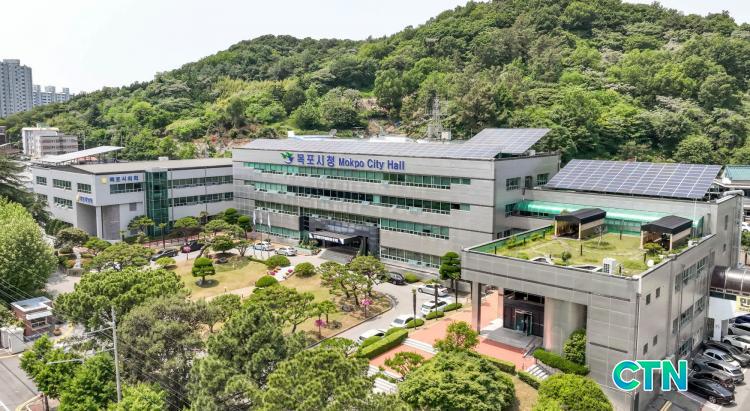
목포시청 전경. 사진=목포시청 제공
[목포/CTN]하성매 기자= 목포시 관계자는 "특별감시·단속을 통해 환경오염 행위를 예방하고 쾌적한 생활환경 조성에 최선을 다하겠다"라며 "사업장에서도 자체 점검과 시설 관리에 적극 협조해 주시길 바란다"라고 말했다. 목포시는 하절기 집중호우와 행락철을 틈탄 환경오염 행위를 예방하고 공공수역 수질 보호를 위해 6월부터 8월까지 환경오염물질 배출사업장을 대상으로 특별감시·단속을 실시한다고 밝혔다. 시는 이 기간을 '하절기 환경오염행위 특별 감시·단속 기간'으로 정하고 폐수 배출시설 등 관내 오염물질 배출 원천들을 집중 점검할 계획이다. 이번 단속은 기습 폭우 시 오염물질이 빗물과 함께 하천 등 공공수역으로 유입되는 것을 막고, 매년 반복되는 여름철 녹조 발생과 무단 방류 등 불법 배출 행위를 사전에 차단하기 위해 추진된다. 단속은 단계별 시나리오에 따라 6월 사전 홍보와 계도, 6~8월 취약지역 집중 순찰, 8월 방지시설 파손 사업장 대상 시설 복구 및 기술지원 등 총 3단계로 세분화해 진행된다.
이처럼 지자체가 계절적 특성을 고려해 취약 시기별로 단속 기간을 명시하고, 사전 계도와 사후 기술지원을 아우르는 단계별 로드맵을 구축한 것은 단편적인 적발 위주 행정에서 벗어나 예방적 환경 관리를 지향한다는 측면에서 긍정적인 시도로 평가받는다. 특히 집중호우로 수해를 입은 영세 사업장에 대해 무조건적인 처벌 대신 시설 복구를 지원하겠다는 방침은 현실적인 현장 여건을 고려한 합리적인 행정 접근이다.
그러나 일각에서는 이러한 정기적·시즌성 특별단속이 유관 사업장들에게 일종의 '예고된 소나기'로 인식되어, 단속 기간만 피하면 그만이라는 식의 도덕적 해이를 유발할 수 있다는 우려를 제기한다. 지자체의 한정된 단속 인력이 관내 수많은 폐수·오염물질 배출업체를 일일이 상시 순찰하기 어렵다는 아날로그식 감시 체계의 한계 때문이다. 실제로 악질적인 오염수 무단 방류는 심야 시간대나 폭우가 쏟아지는 당일 순간적으로 이루어지는 경우가 많아, 사전 예고된 3단계 순찰 방식만으로는 은밀한 불법 행위를 실시간으로 포착하기 어렵다.
단순히 주기적인 현장 방문과 사업장의 자율적인 점검 유도에 의존하는 기존 단속 패러다임은 매년 반복되는 환경오염 잔혹사를 끊어내기에 역부족이다. 기습적인 오염원 배출을 원천 차단하기 위해서는 단속 인력 중심의 감시망을 넘어, 주요 공공수역과 배출사업장 인근 하천에 수질 오염도(pH, 용존산소량 등)를 실시간으로 측정하는 IoT(사물인터넷) 기반의 원격 수질 센서를 상설화해야 한다. 집중호우 시 센서 데이터가 급격히 악화되는 유역을 AI 시스템이 자동 감지해 단속반의 이동 경로와 즉각 매칭하는 '스마트 환경 모니터링 시스템'의 구축이 시급한 과제로 떠오르고 있다.
[영문번역 기사-AI활용]
An official from Mokpo City stated, "We will do our best to prevent environmental pollution acts and create a pleasant living environment through special monitoring and crackdowns. We hope that businesses will also actively cooperate in self-inspection and facility management." Mokpo City announced that it will conduct special monitoring and crackdowns on environmental pollutant discharging workplaces from June to August to prevent environmental pollution acts taking advantage of summer heavy rains and the vacation season, and to protect the water quality of public waters. The city plans to designate this period as the 'Summer Environmental Pollution Act Special Monitoring and Crackdown Period' and intensively inspect environmental pollutant discharging workplaces in its jurisdiction, such as wastewater discharging facilities. This crackdown is promoted to prevent pollutants from flowing into public waters such as rivers along with rainwater during heavy rains, and to block green algae occurrence and illegal discharge acts in advance, which are repeated every year. The crackdown will be subdivided into three stages according to a step-by-step scenario: preliminary publicity and guidance in June, intensive patrolling in vulnerable areas from June to August, and facility restoration and technical support for workplaces with damaged prevention facilities in August.
In this way, the local government's definition of crackdown periods based on seasonal characteristics and construction of a step-by-step roadmap spanning from preliminary guidance to follow-up technical support is evaluated as a positive attempt in terms of moving away from short-term detection-oriented administration and aiming for preventive environmental management. In particular, the policy to support facility restoration instead of unconditional punishment for small-scale businesses that suffered damage from heavy rains is a rational administrative approach considering realistic field conditions.
However, some critics point out that these regular and seasonal special crackdowns could be perceived by related workplaces as a sort of 'predicted shower,' inducing moral hazard where businesses believe they just need to avoid the crackdown period. This is due to the limitation of an analog monitoring framework where it is difficult for the local government's limited crackdown workforce to patrol numerous wastewater and pollutant discharging companies in the jurisdiction on a regular basis. In fact, malicious unauthorized discharge of contaminated water mostly occurs clandestinely during midnight hours or on the exact day of pouring heavy rain, making it difficult to capture illegal acts in real time with only the pre-announced three-stage patrol method.
The existing crackdown paradigm, which relies heavily on periodic on-site visits and inducing voluntary inspection by workplaces, is insufficient to break the cycle of environmental pollution atrocities repeated every year. To fundamentally block abrupt pollutant discharges, moving beyond a crackdown workforce-centered monitoring network, IoT (Internet of Things) based remote water quality sensors that measure water pollution levels (pH, dissolved oxygen, etc.) in real time must be permanentized in major public waters and rivers near discharging workplaces. The establishment of a 'smart environmental monitoring system,' where an AI system automatically detects basins where sensor data sharply deteriorates during heavy rains and immediately matches it with the crackdown team's movement path, is emerging as an urgent task.
이처럼 지자체가 계절적 특성을 고려해 취약 시기별로 단속 기간을 명시하고, 사전 계도와 사후 기술지원을 아우르는 단계별 로드맵을 구축한 것은 단편적인 적발 위주 행정에서 벗어나 예방적 환경 관리를 지향한다는 측면에서 긍정적인 시도로 평가받는다. 특히 집중호우로 수해를 입은 영세 사업장에 대해 무조건적인 처벌 대신 시설 복구를 지원하겠다는 방침은 현실적인 현장 여건을 고려한 합리적인 행정 접근이다.
그러나 일각에서는 이러한 정기적·시즌성 특별단속이 유관 사업장들에게 일종의 '예고된 소나기'로 인식되어, 단속 기간만 피하면 그만이라는 식의 도덕적 해이를 유발할 수 있다는 우려를 제기한다. 지자체의 한정된 단속 인력이 관내 수많은 폐수·오염물질 배출업체를 일일이 상시 순찰하기 어렵다는 아날로그식 감시 체계의 한계 때문이다. 실제로 악질적인 오염수 무단 방류는 심야 시간대나 폭우가 쏟아지는 당일 순간적으로 이루어지는 경우가 많아, 사전 예고된 3단계 순찰 방식만으로는 은밀한 불법 행위를 실시간으로 포착하기 어렵다.
단순히 주기적인 현장 방문과 사업장의 자율적인 점검 유도에 의존하는 기존 단속 패러다임은 매년 반복되는 환경오염 잔혹사를 끊어내기에 역부족이다. 기습적인 오염원 배출을 원천 차단하기 위해서는 단속 인력 중심의 감시망을 넘어, 주요 공공수역과 배출사업장 인근 하천에 수질 오염도(pH, 용존산소량 등)를 실시간으로 측정하는 IoT(사물인터넷) 기반의 원격 수질 센서를 상설화해야 한다. 집중호우 시 센서 데이터가 급격히 악화되는 유역을 AI 시스템이 자동 감지해 단속반의 이동 경로와 즉각 매칭하는 '스마트 환경 모니터링 시스템'의 구축이 시급한 과제로 떠오르고 있다.
[영문번역 기사-AI활용]
An official from Mokpo City stated, "We will do our best to prevent environmental pollution acts and create a pleasant living environment through special monitoring and crackdowns. We hope that businesses will also actively cooperate in self-inspection and facility management." Mokpo City announced that it will conduct special monitoring and crackdowns on environmental pollutant discharging workplaces from June to August to prevent environmental pollution acts taking advantage of summer heavy rains and the vacation season, and to protect the water quality of public waters. The city plans to designate this period as the 'Summer Environmental Pollution Act Special Monitoring and Crackdown Period' and intensively inspect environmental pollutant discharging workplaces in its jurisdiction, such as wastewater discharging facilities. This crackdown is promoted to prevent pollutants from flowing into public waters such as rivers along with rainwater during heavy rains, and to block green algae occurrence and illegal discharge acts in advance, which are repeated every year. The crackdown will be subdivided into three stages according to a step-by-step scenario: preliminary publicity and guidance in June, intensive patrolling in vulnerable areas from June to August, and facility restoration and technical support for workplaces with damaged prevention facilities in August.
In this way, the local government's definition of crackdown periods based on seasonal characteristics and construction of a step-by-step roadmap spanning from preliminary guidance to follow-up technical support is evaluated as a positive attempt in terms of moving away from short-term detection-oriented administration and aiming for preventive environmental management. In particular, the policy to support facility restoration instead of unconditional punishment for small-scale businesses that suffered damage from heavy rains is a rational administrative approach considering realistic field conditions.
However, some critics point out that these regular and seasonal special crackdowns could be perceived by related workplaces as a sort of 'predicted shower,' inducing moral hazard where businesses believe they just need to avoid the crackdown period. This is due to the limitation of an analog monitoring framework where it is difficult for the local government's limited crackdown workforce to patrol numerous wastewater and pollutant discharging companies in the jurisdiction on a regular basis. In fact, malicious unauthorized discharge of contaminated water mostly occurs clandestinely during midnight hours or on the exact day of pouring heavy rain, making it difficult to capture illegal acts in real time with only the pre-announced three-stage patrol method.
The existing crackdown paradigm, which relies heavily on periodic on-site visits and inducing voluntary inspection by workplaces, is insufficient to break the cycle of environmental pollution atrocities repeated every year. To fundamentally block abrupt pollutant discharges, moving beyond a crackdown workforce-centered monitoring network, IoT (Internet of Things) based remote water quality sensors that measure water pollution levels (pH, dissolved oxygen, etc.) in real time must be permanentized in major public waters and rivers near discharging workplaces. The establishment of a 'smart environmental monitoring system,' where an AI system automatically detects basins where sensor data sharply deteriorates during heavy rains and immediately matches it with the crackdown team's movement path, is emerging as an urgent task.
 |
하성매 기자 jyh7583@naver.com
하성매 기자 입니다. |